Relay Coil
In consumer electronics, relay coils enable small-signal control of high-current circuits or galvanic isolation switching between low and high voltage sides. Typical applications include: relay coils in smart home sockets — controlled via WiFi or Bluetooth to switch connected appliances on/off; output control for smart power strips and programmable timers; protection relay coils in audio equipment (delaying speaker connection at power-on to eliminate impact noise); power control relays for projectors and electric projection screens; safety relays at the output of EV chargers; motor control relays for fitness equipment like massage chairs and treadmills.
In battery-powered portable devices, relay coils are also used to completely cut off load circuits to minimize standby power consumption. These coils require precise operating voltage, low contact resistance, long contact life, and full compliance with global safety certification standards.
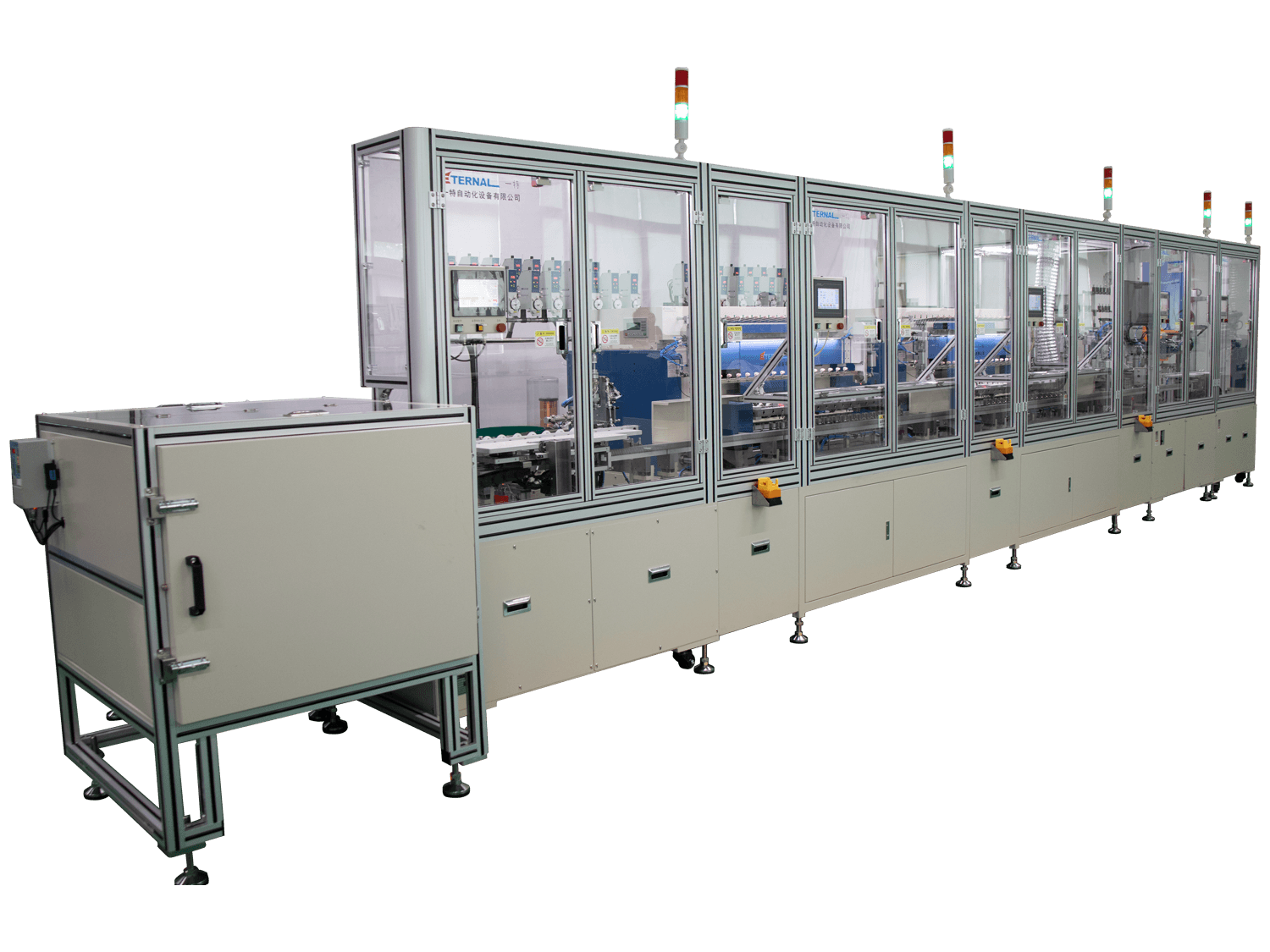
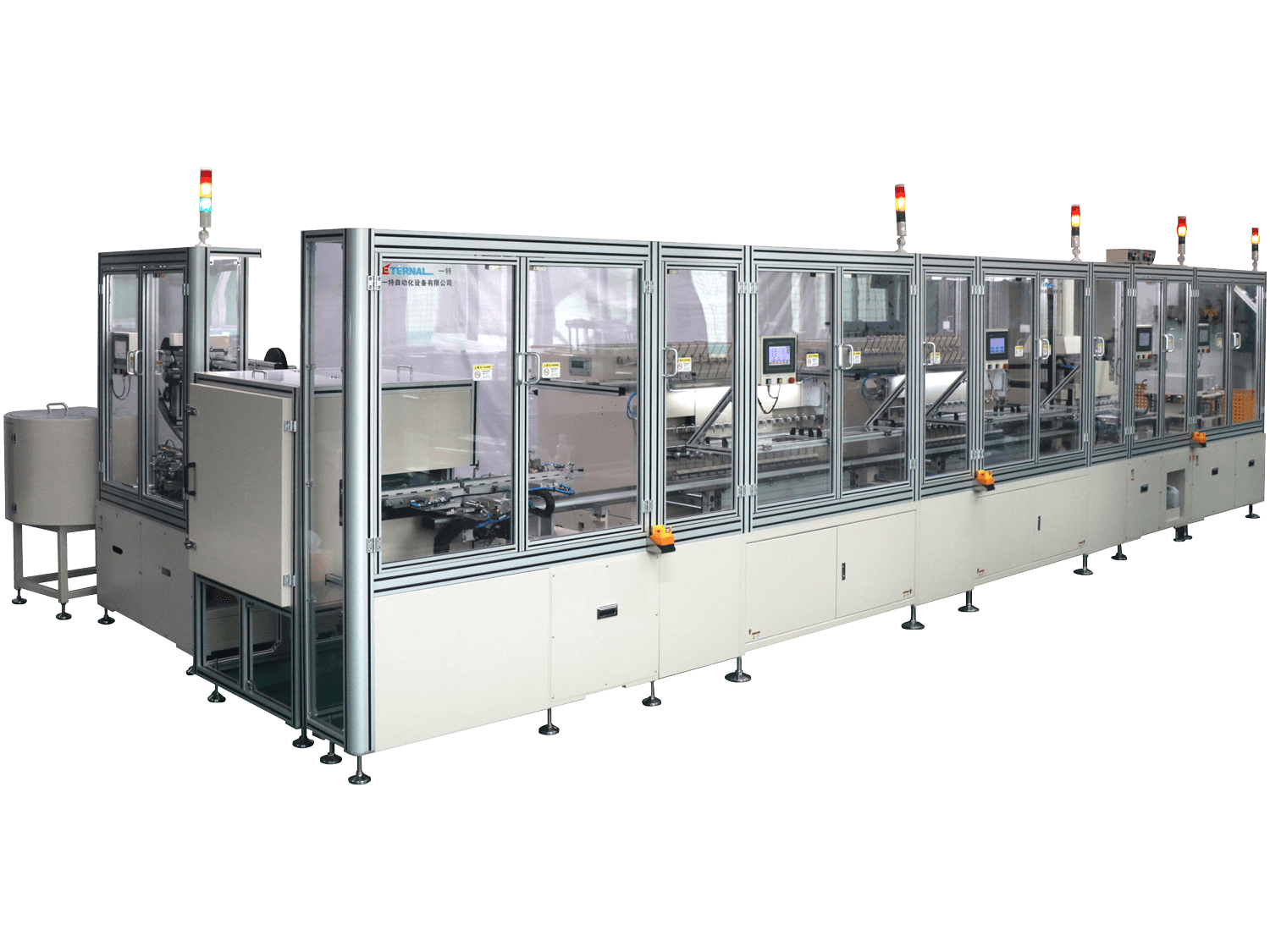
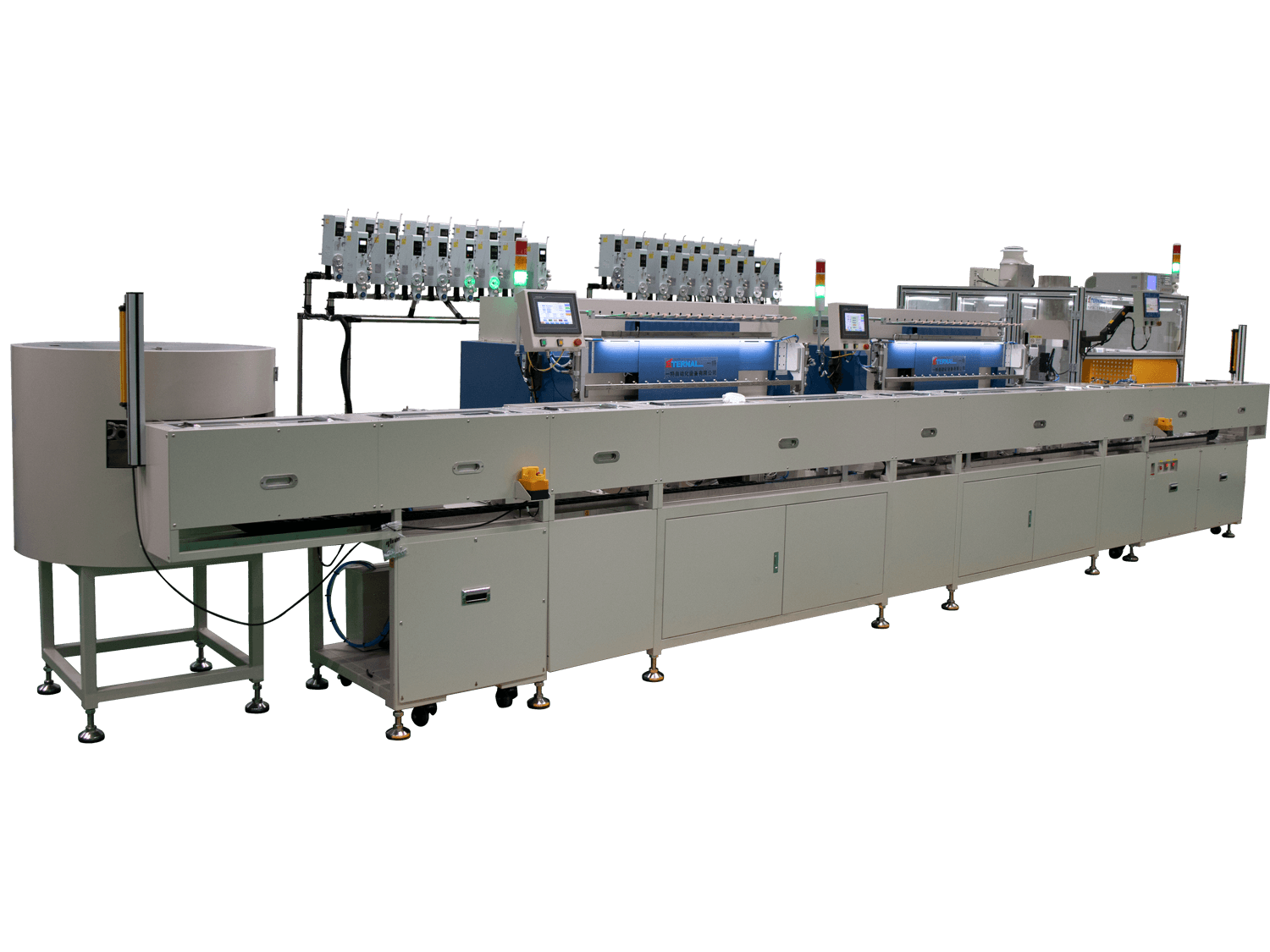
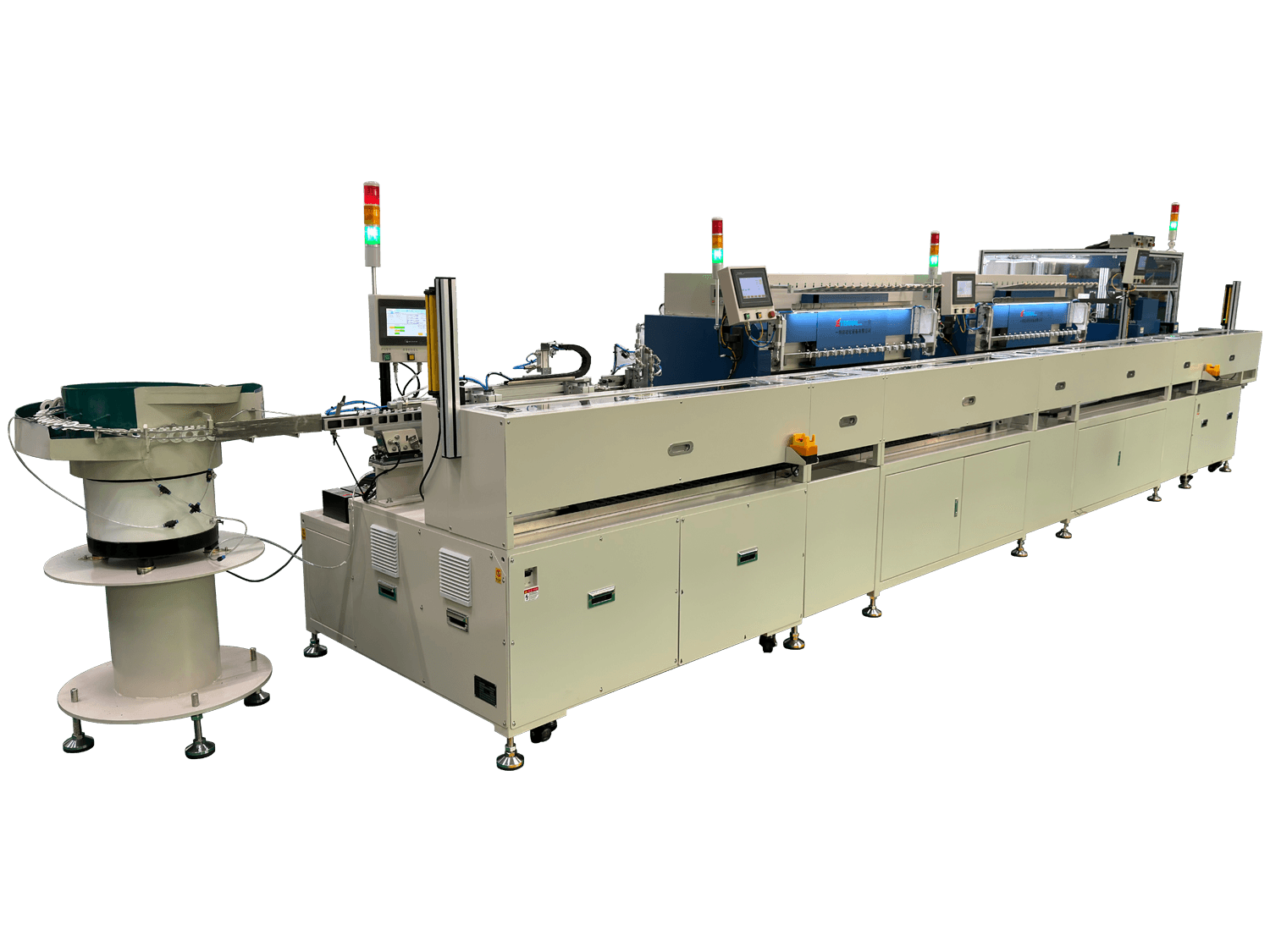
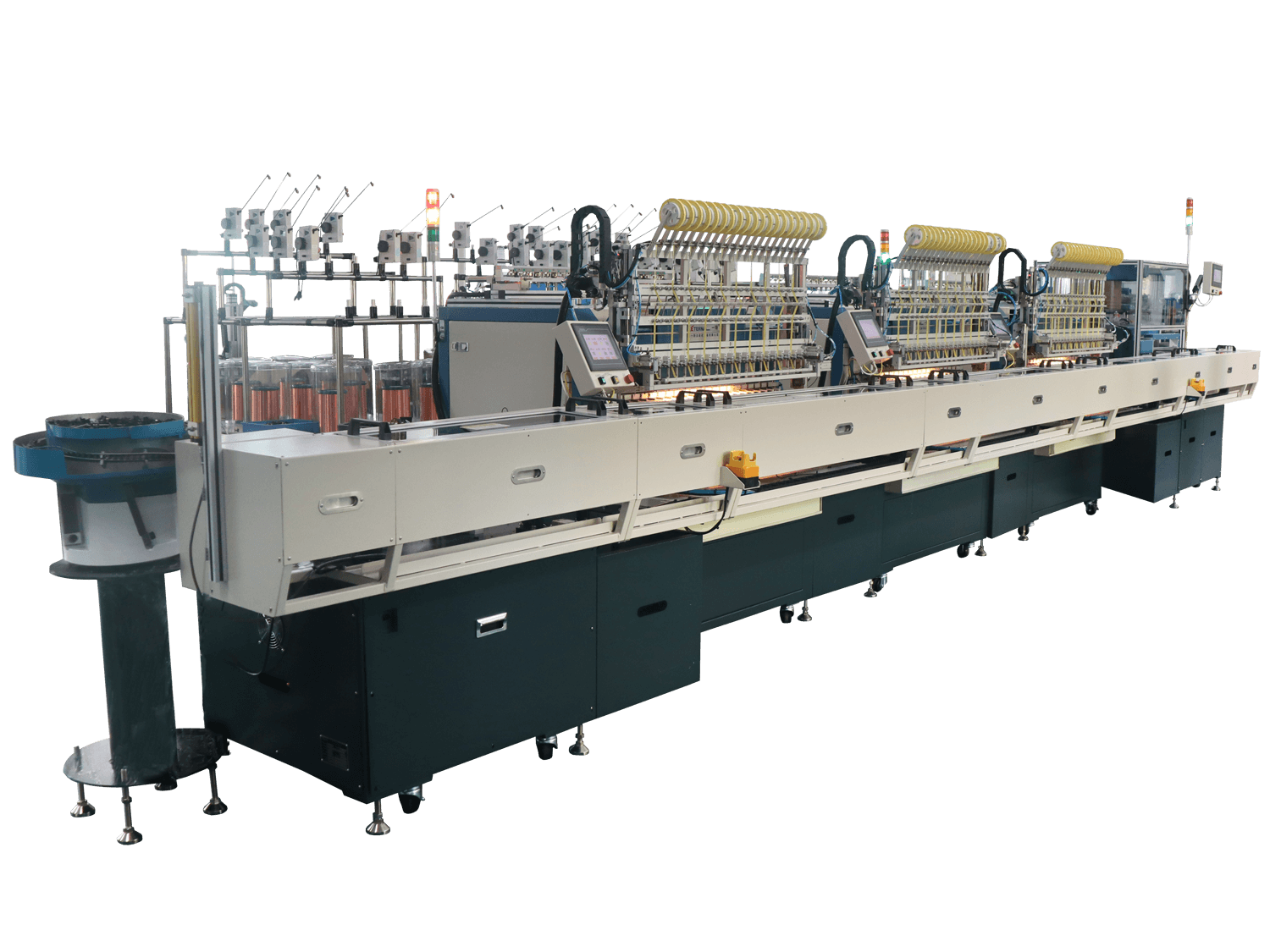
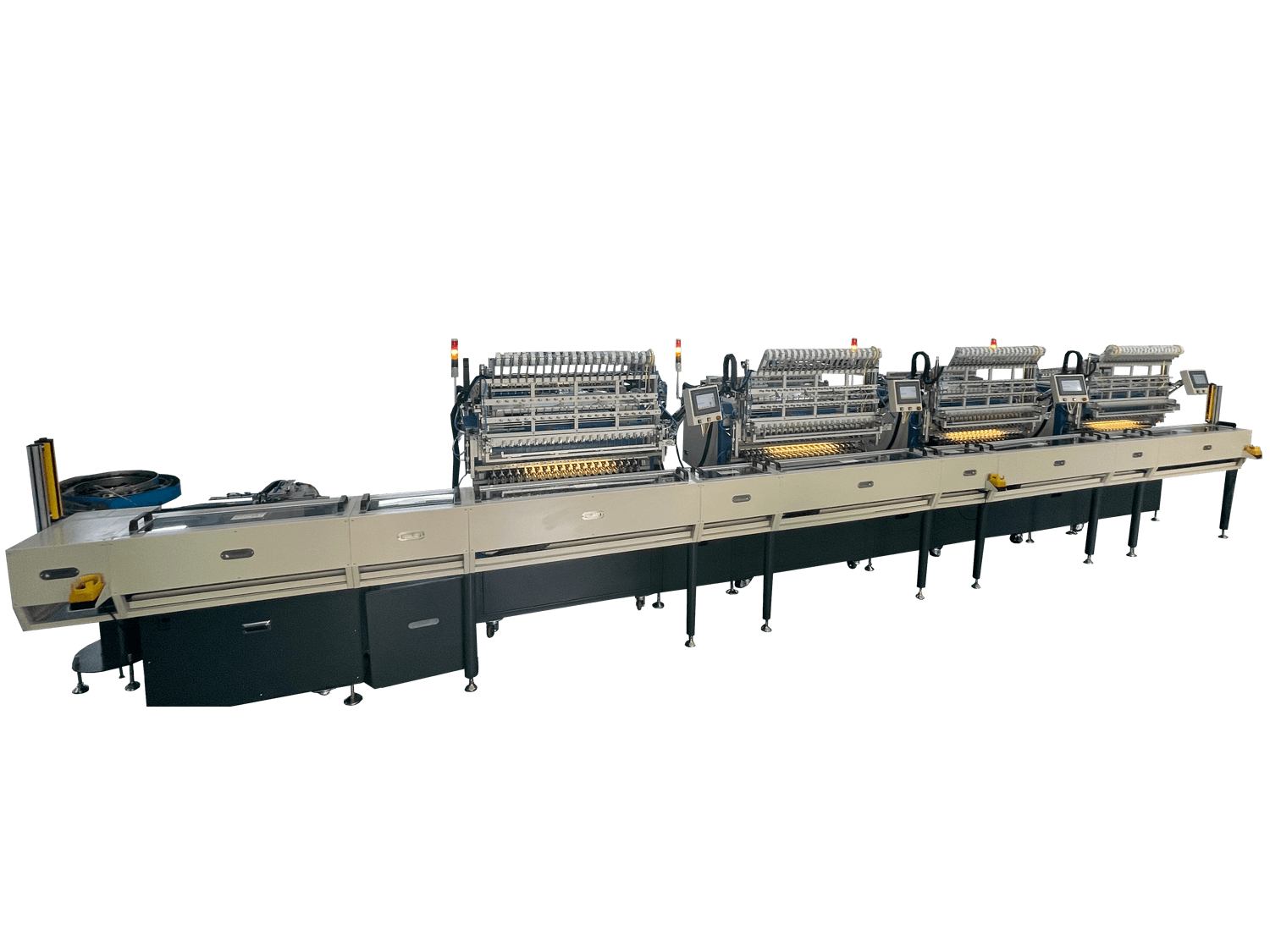
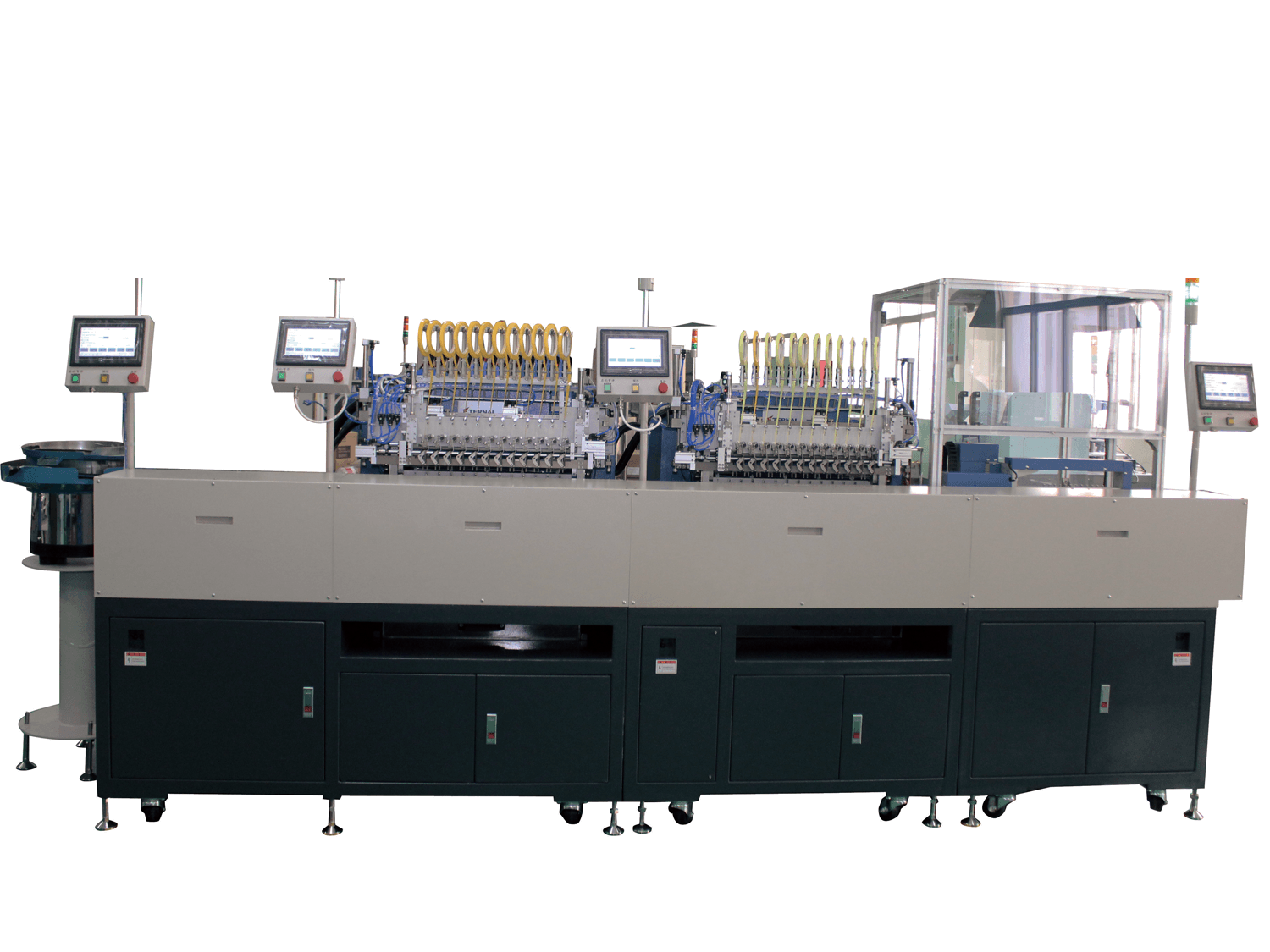
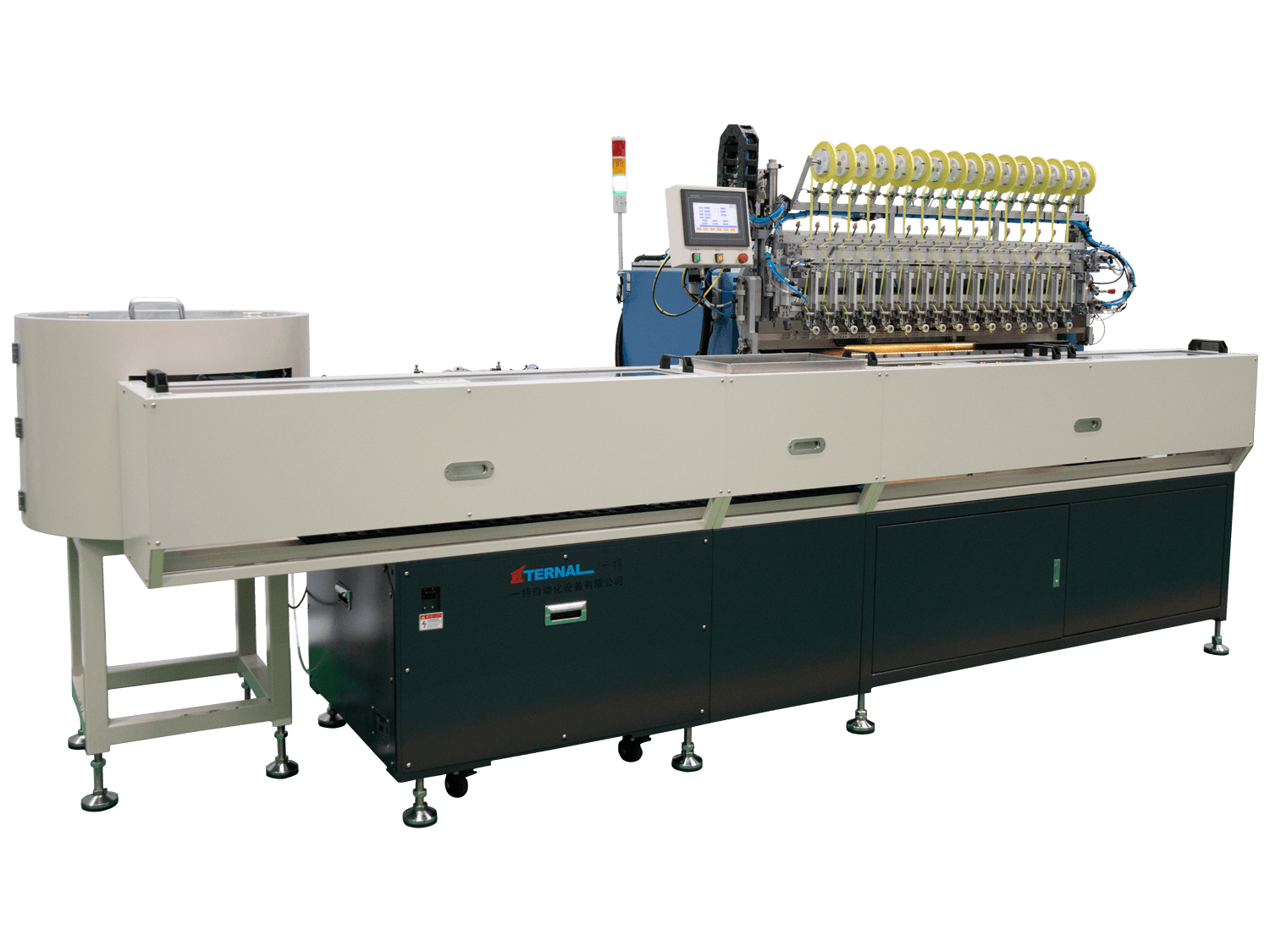
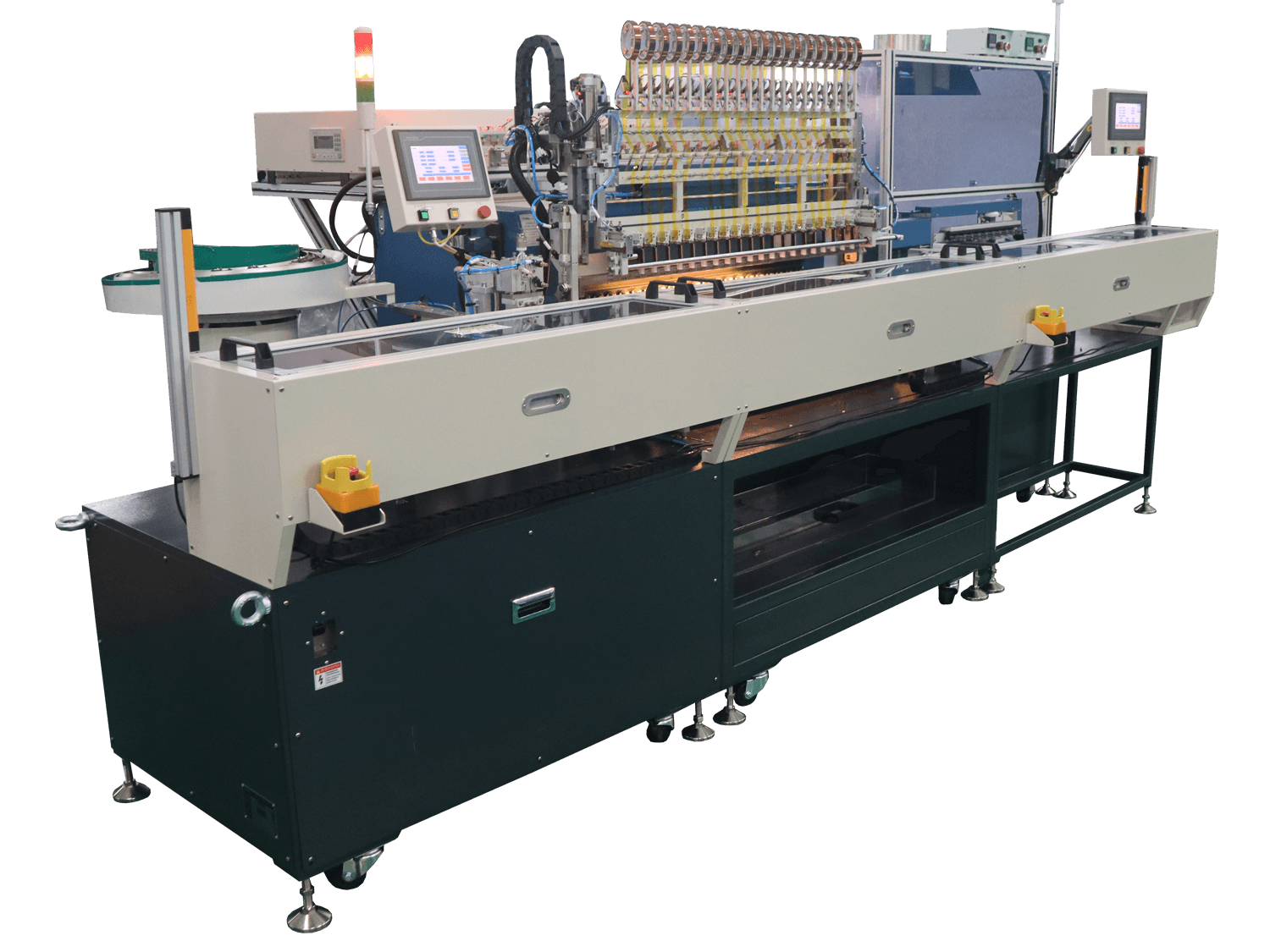
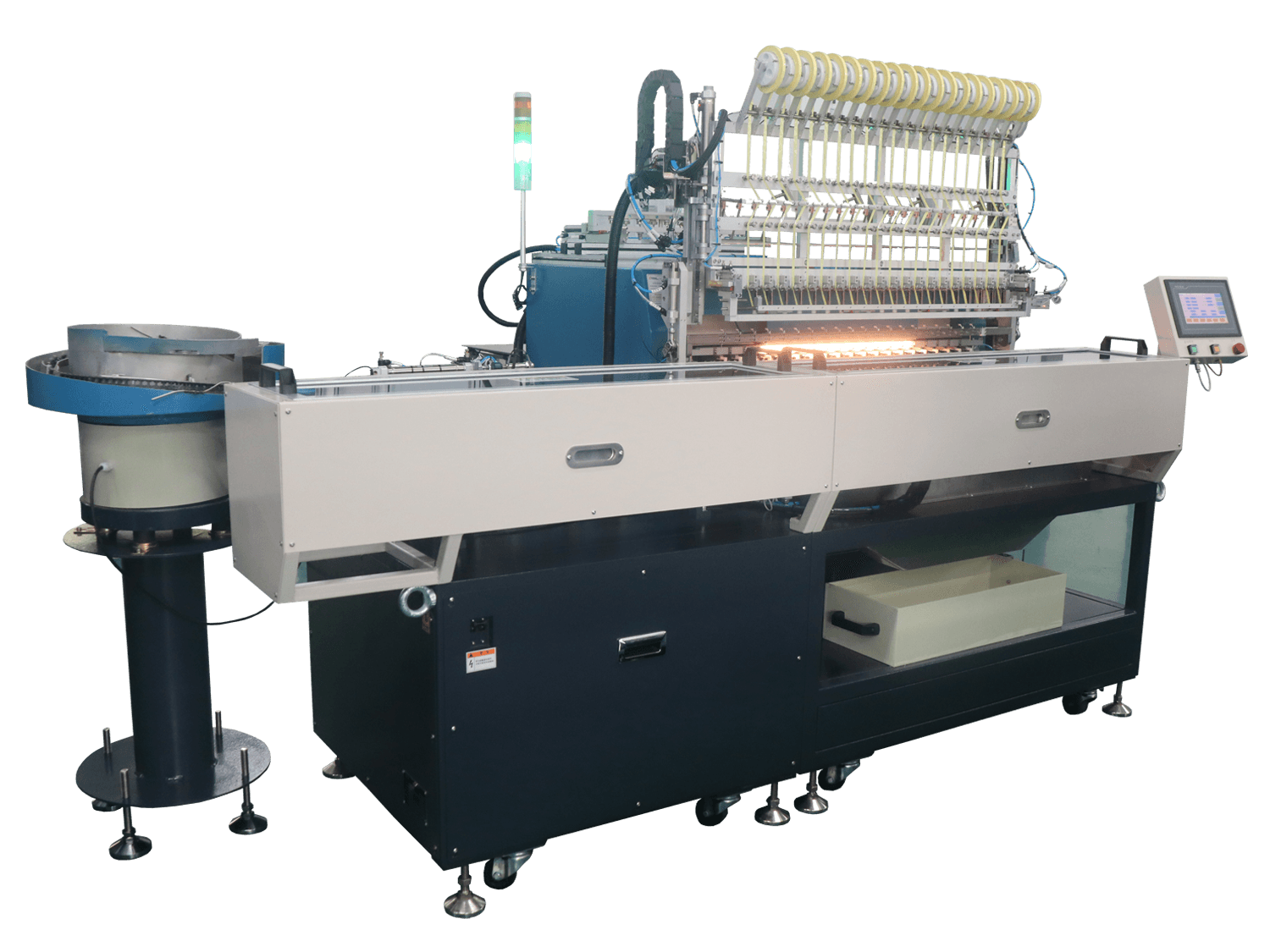
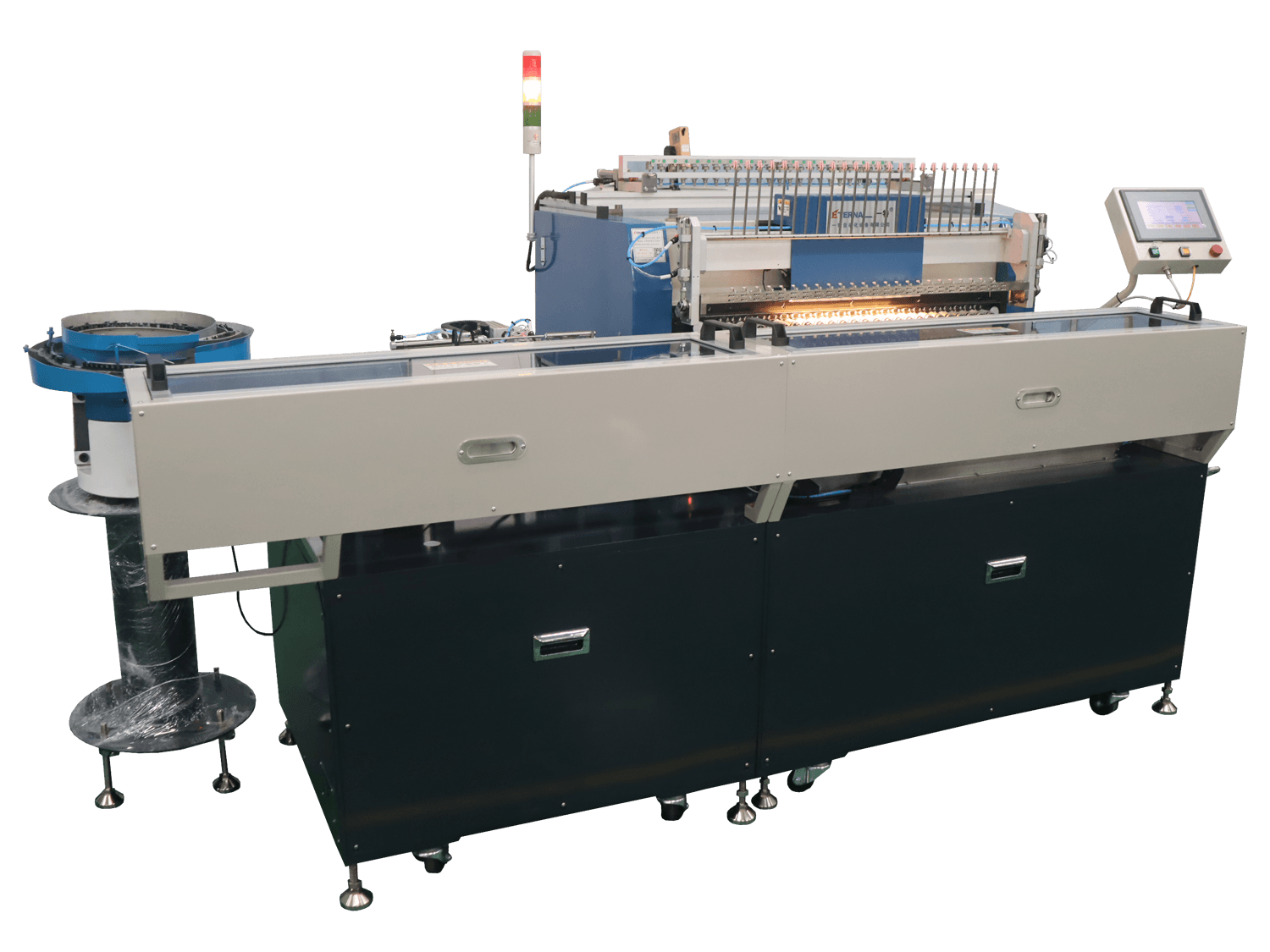
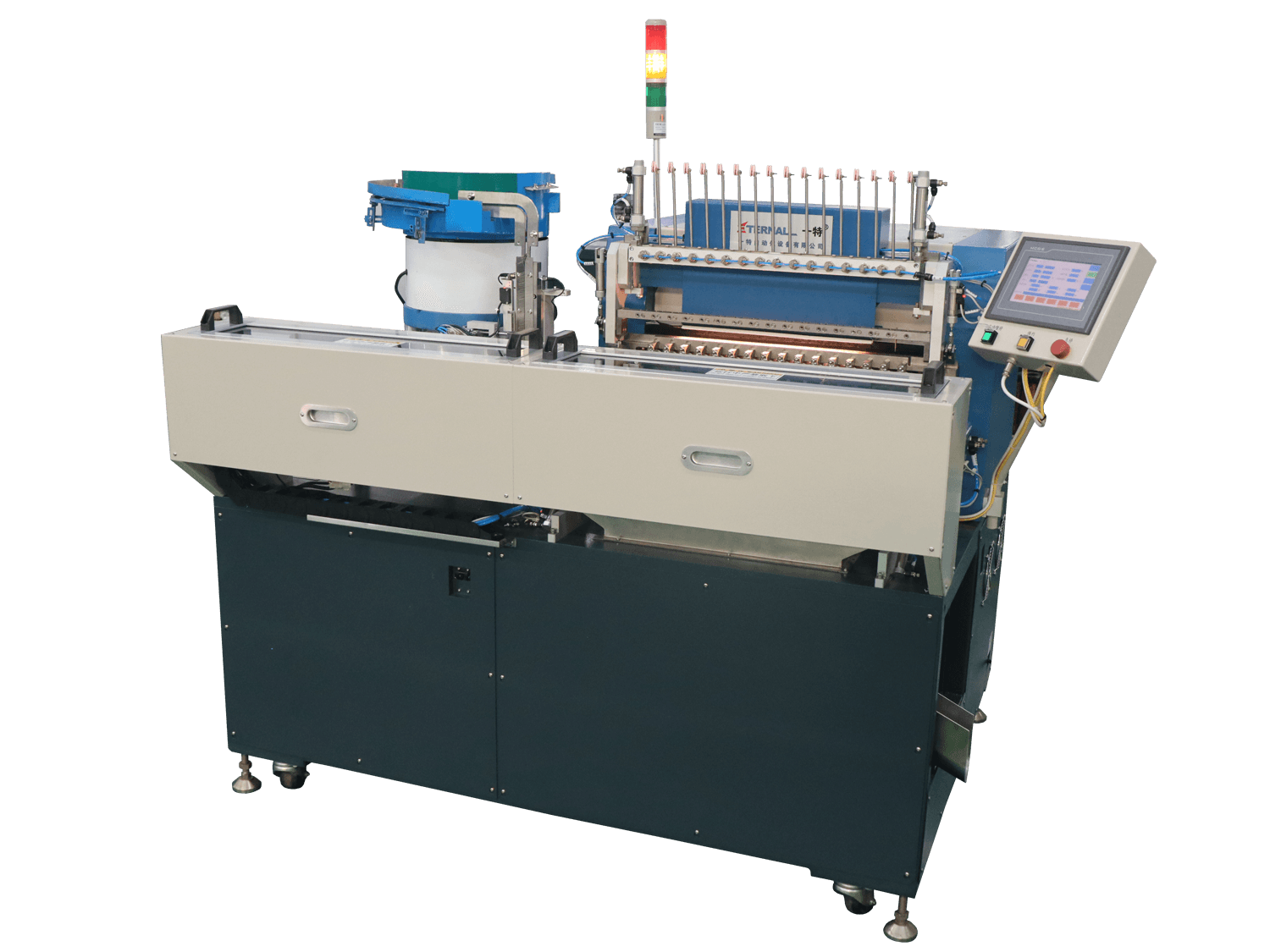
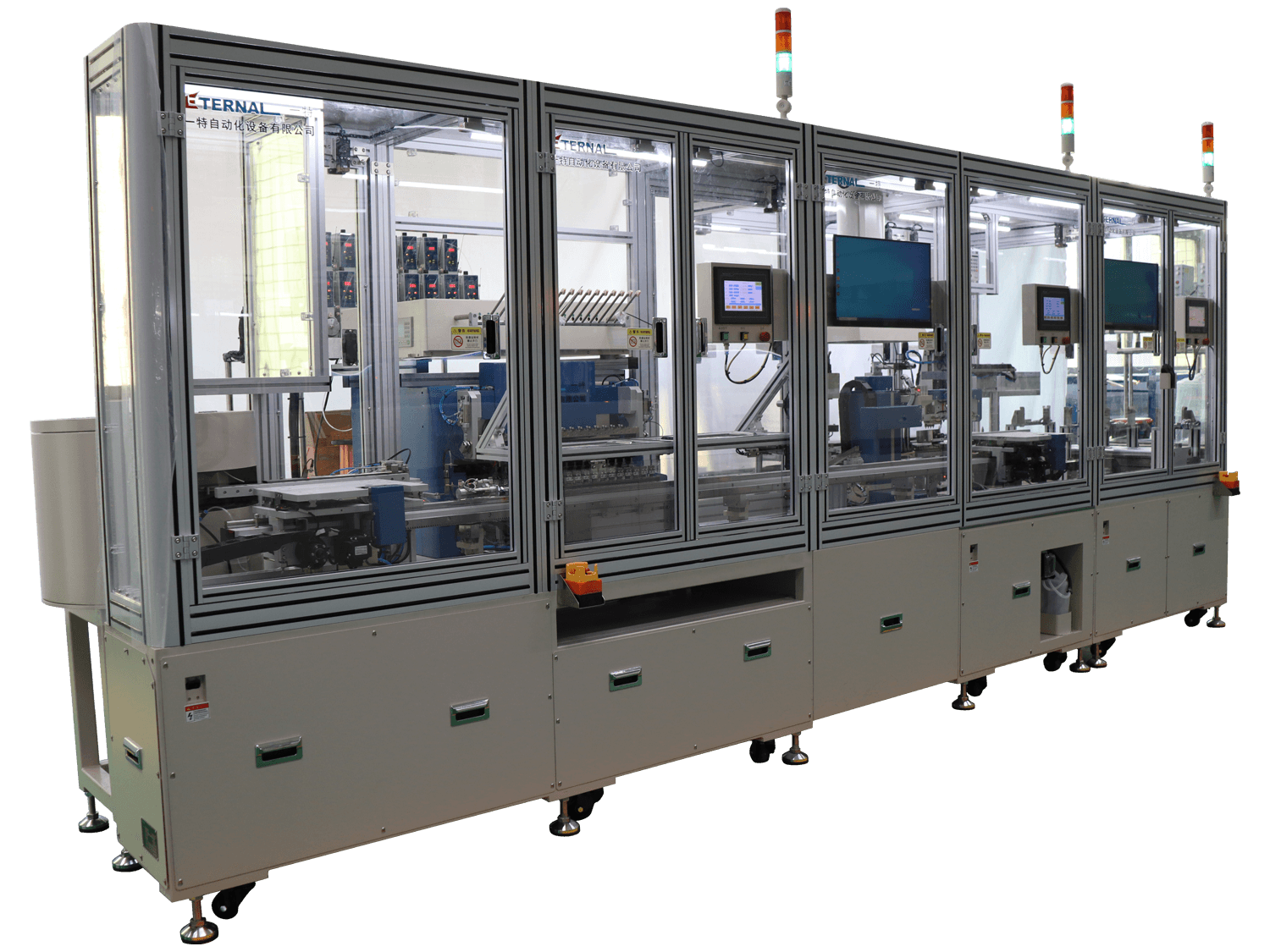
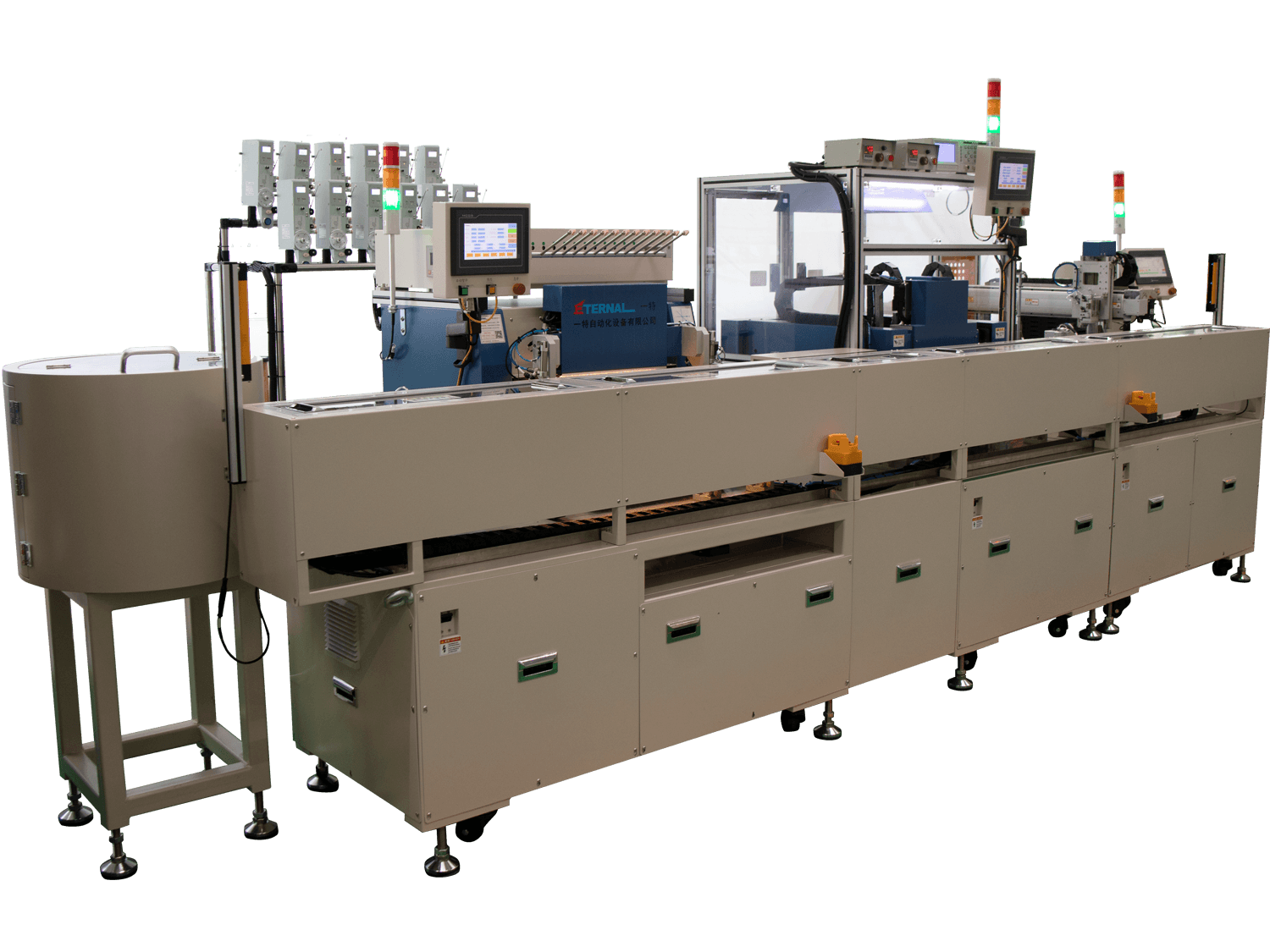
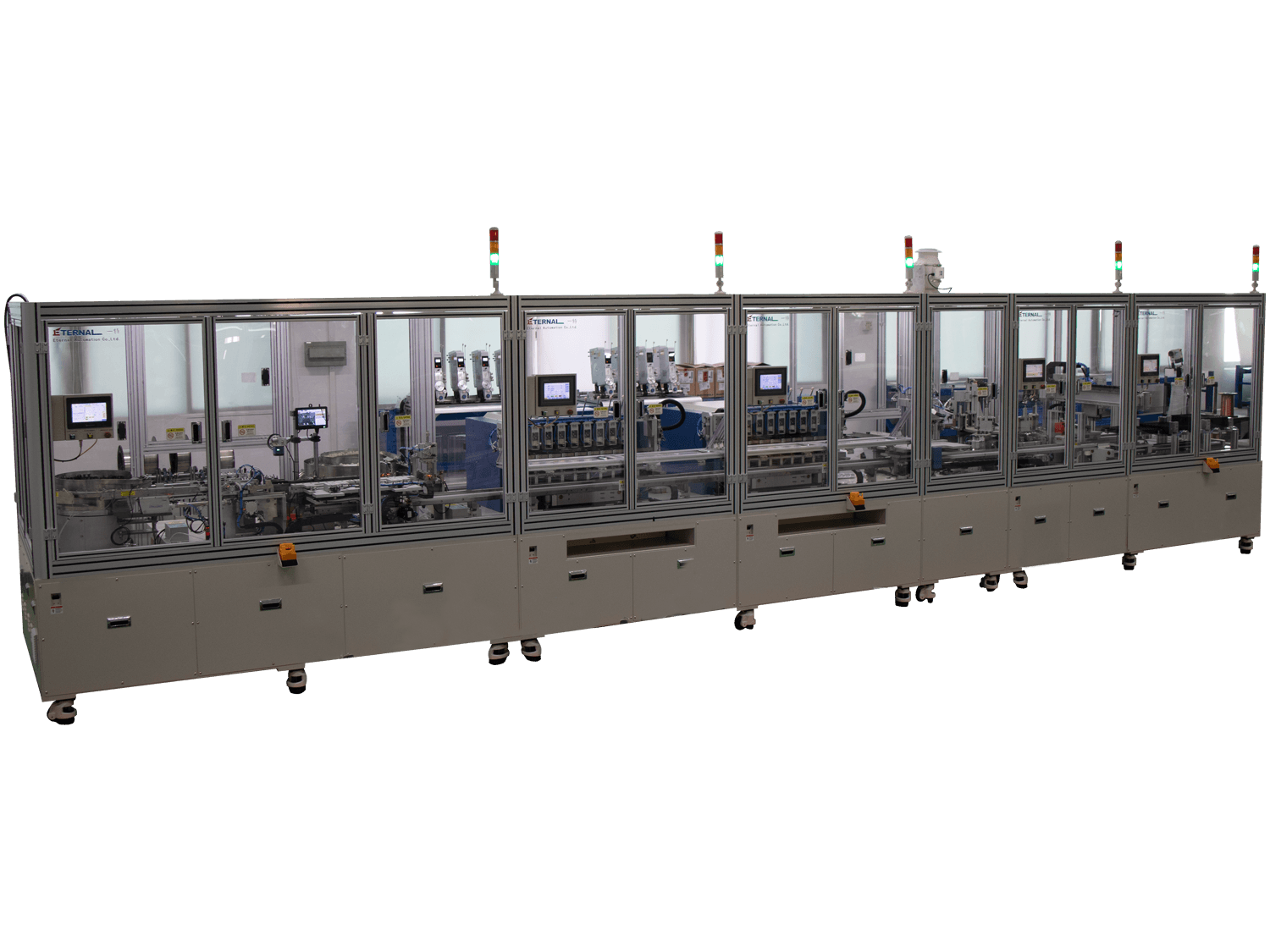
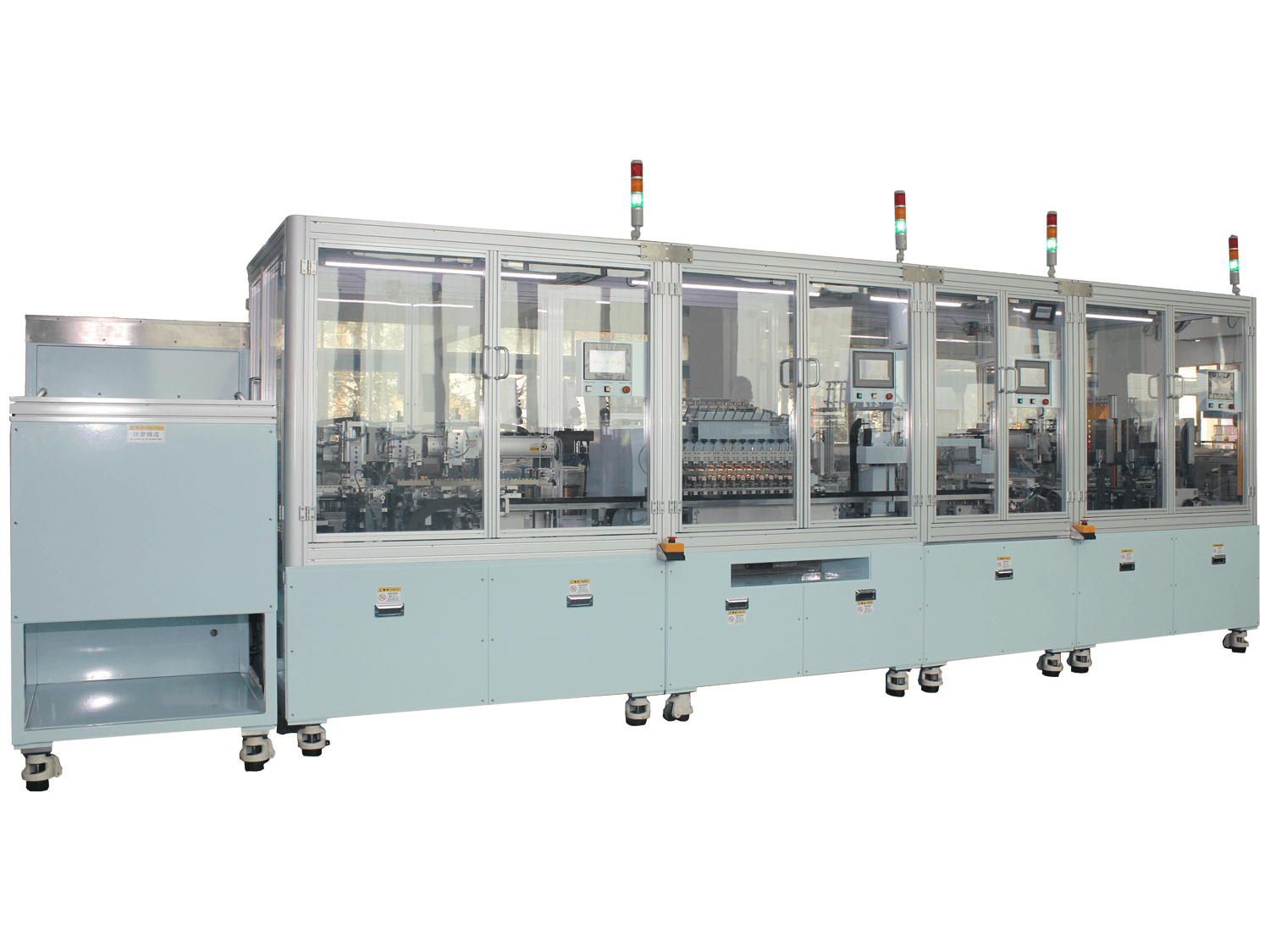
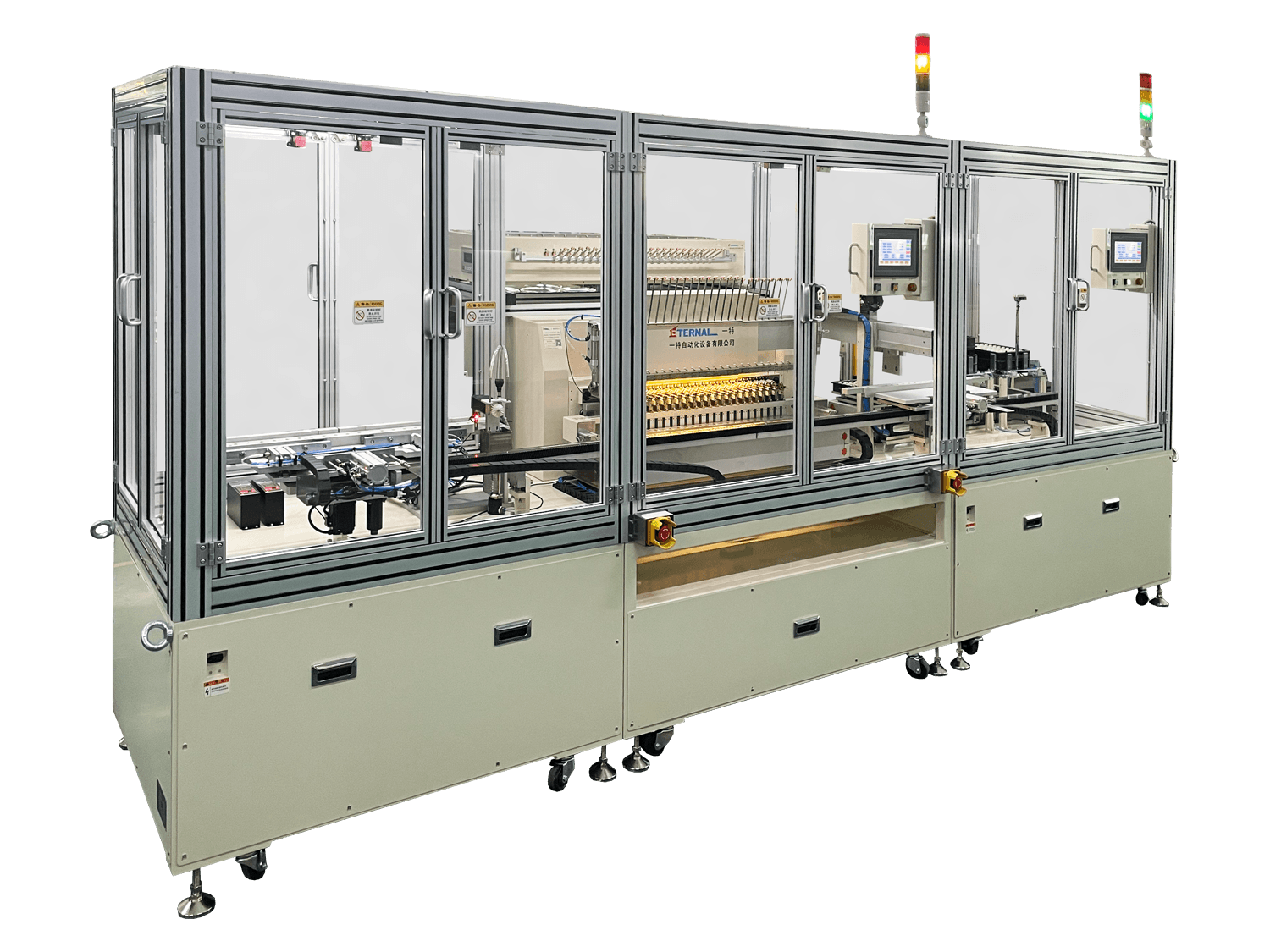
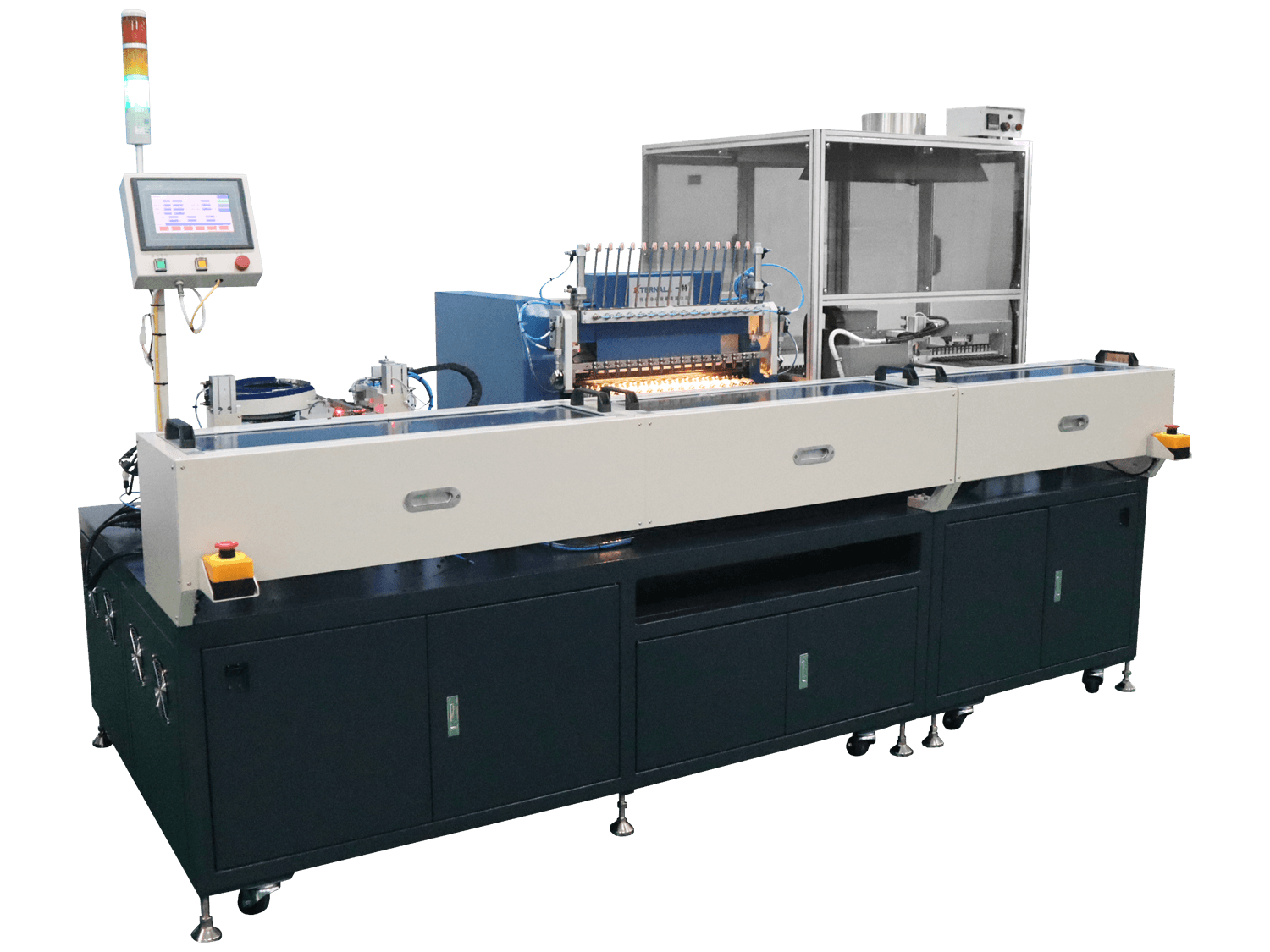
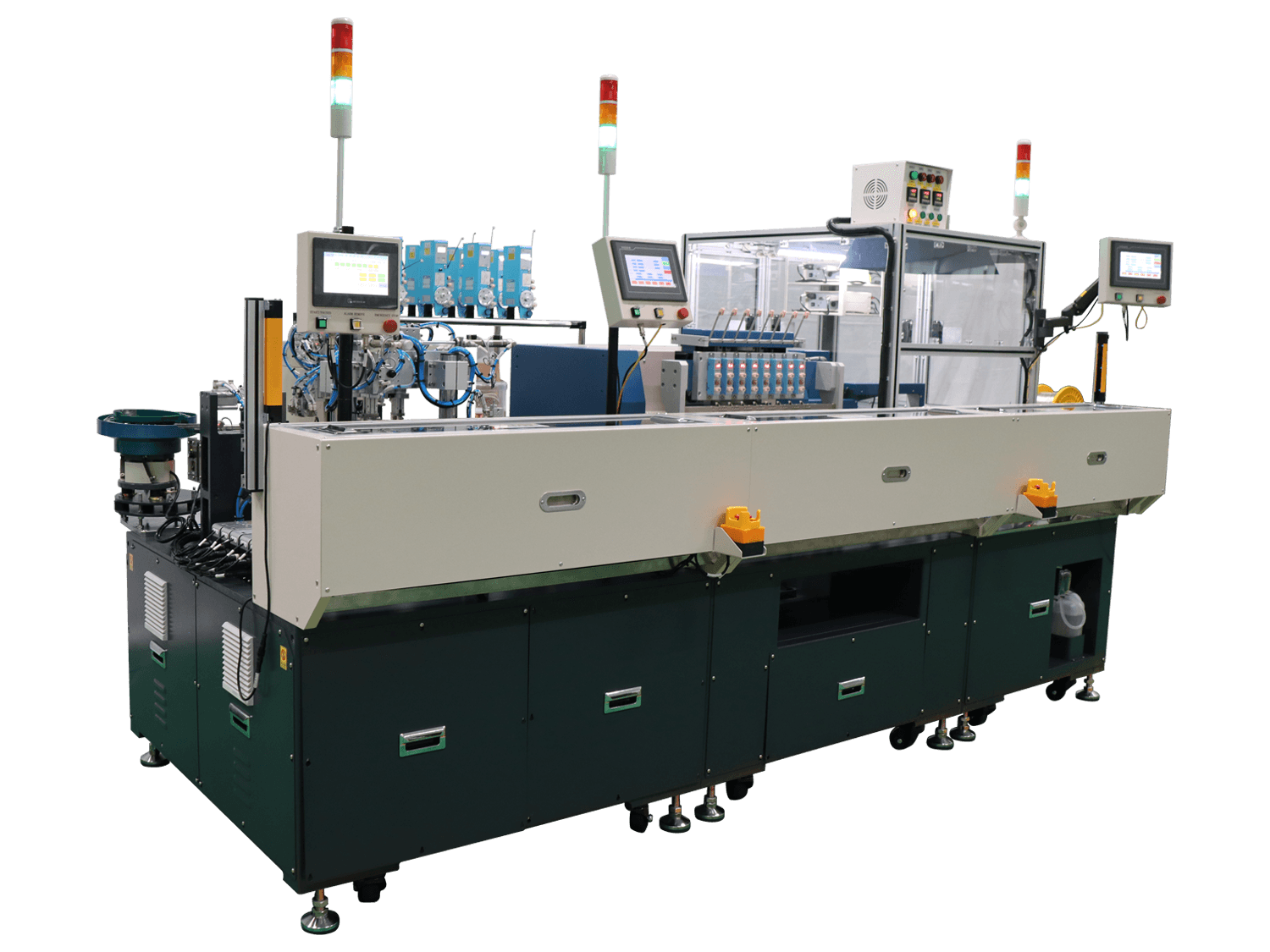
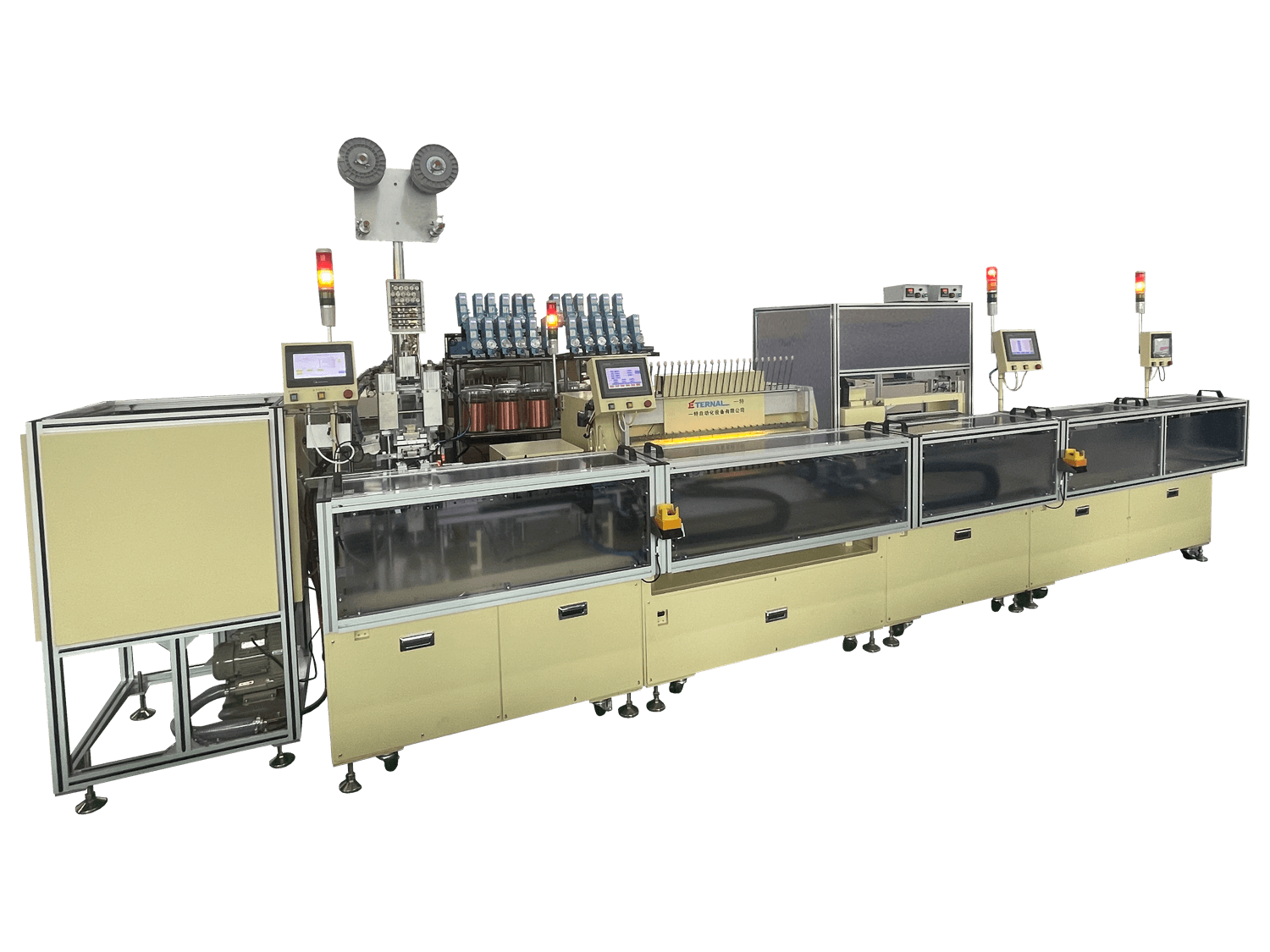
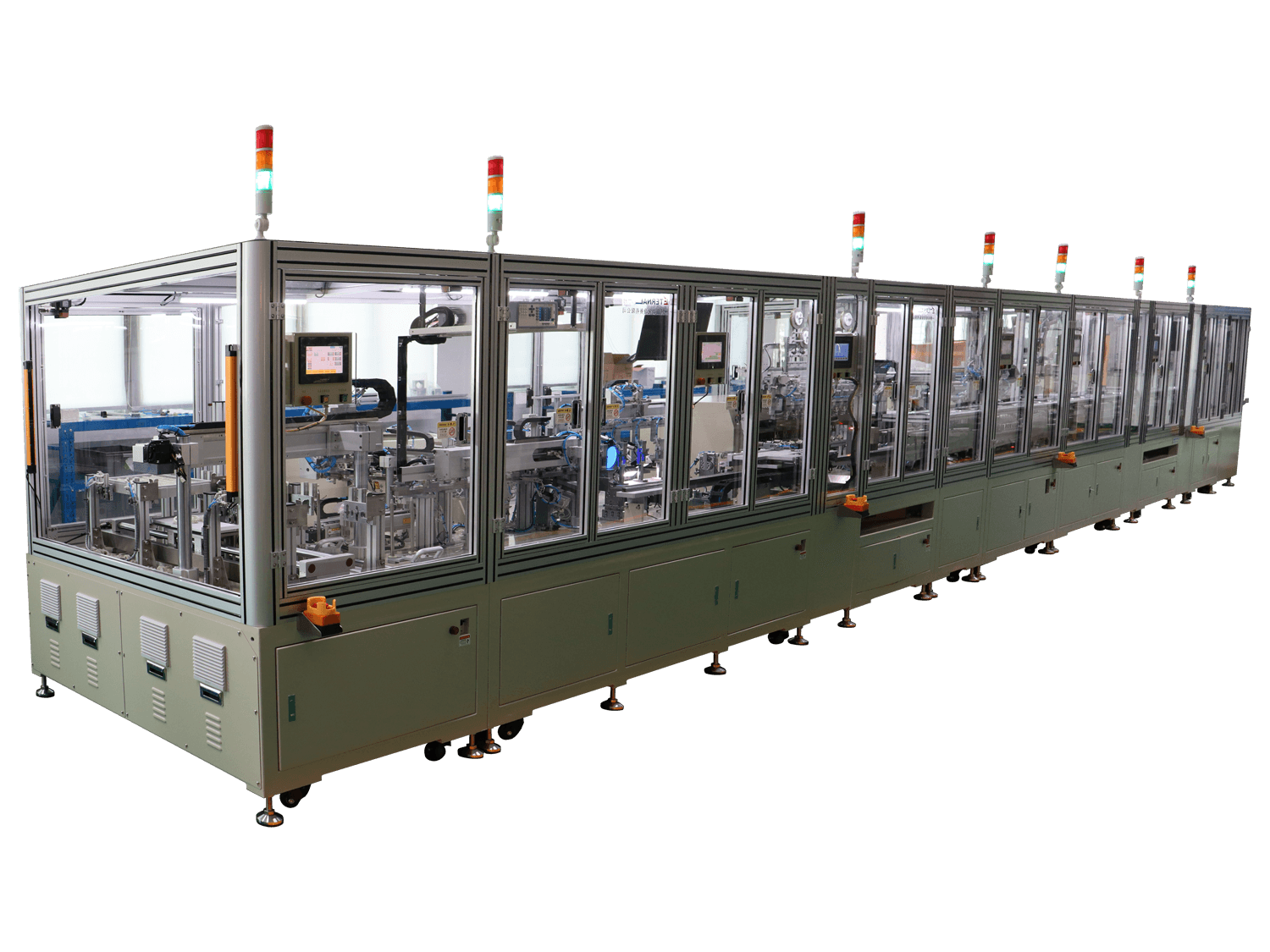
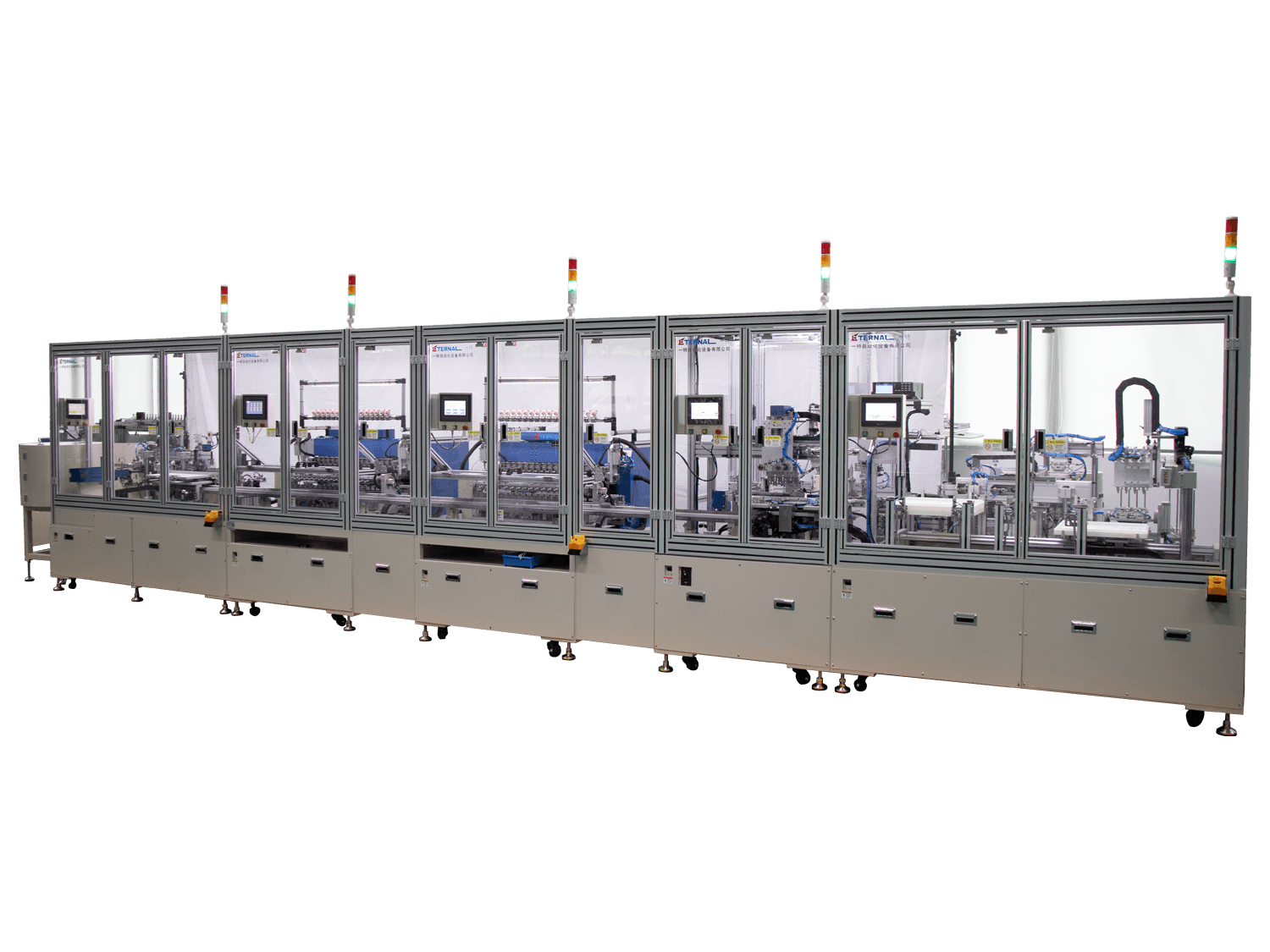
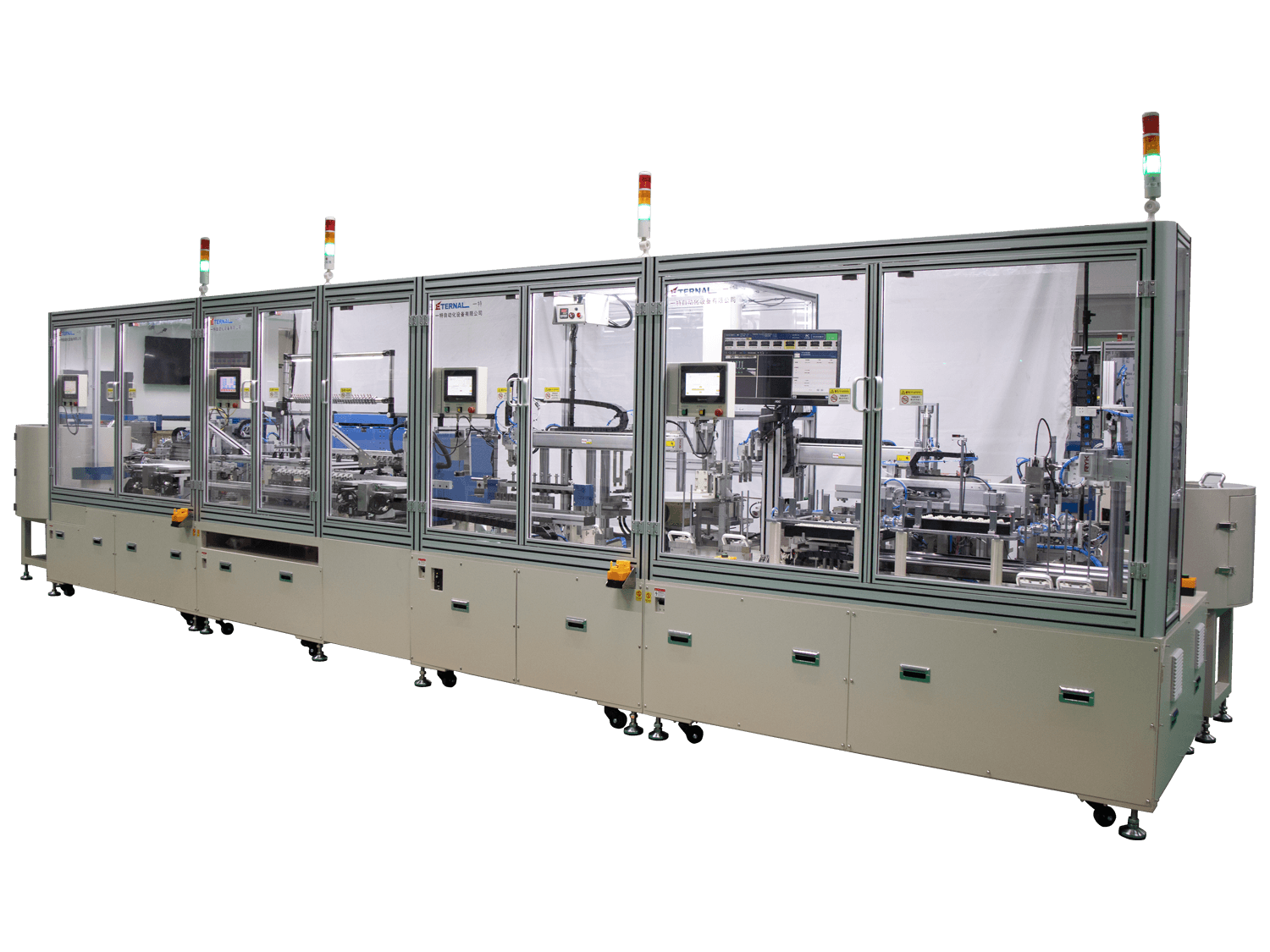
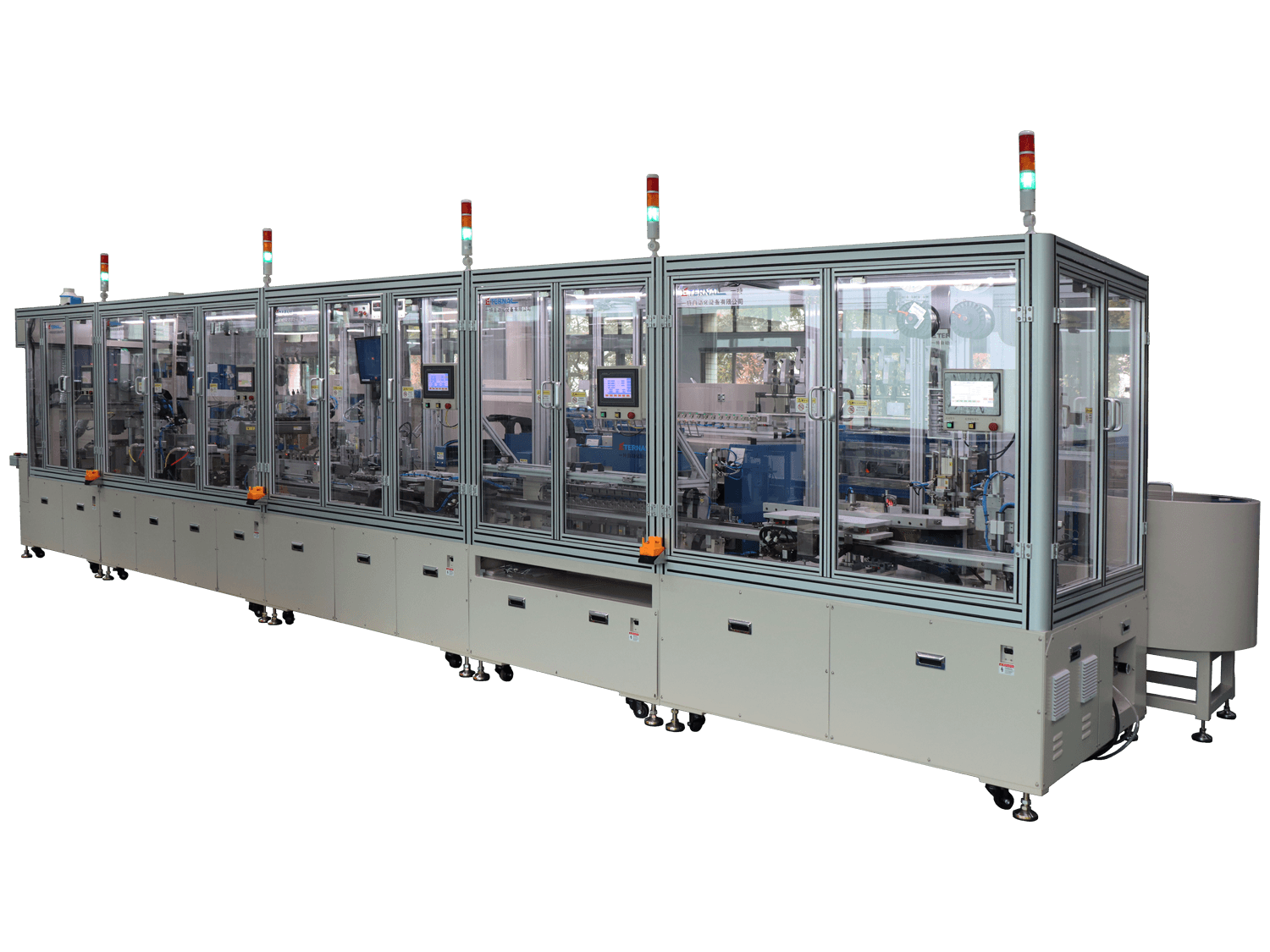
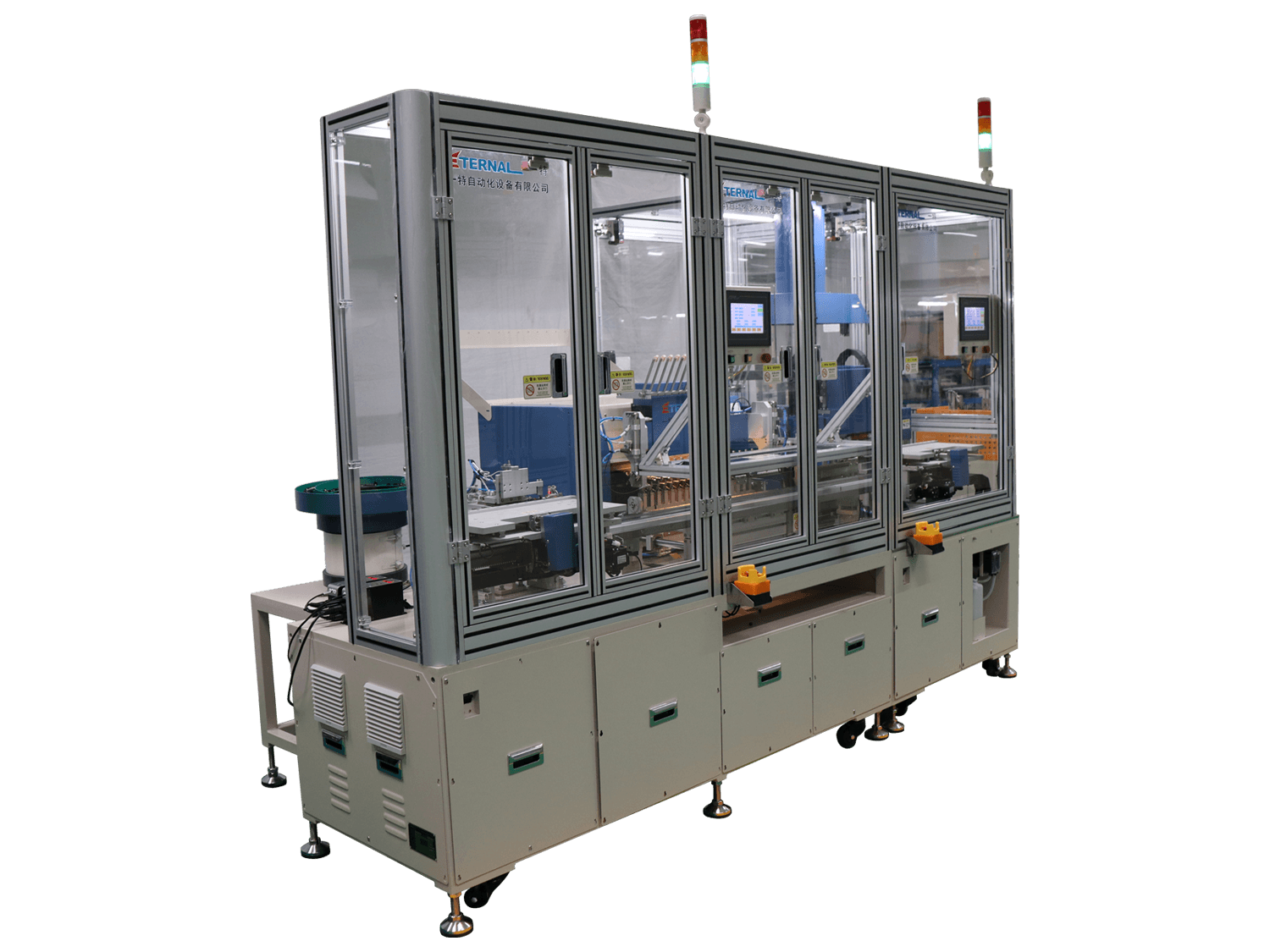
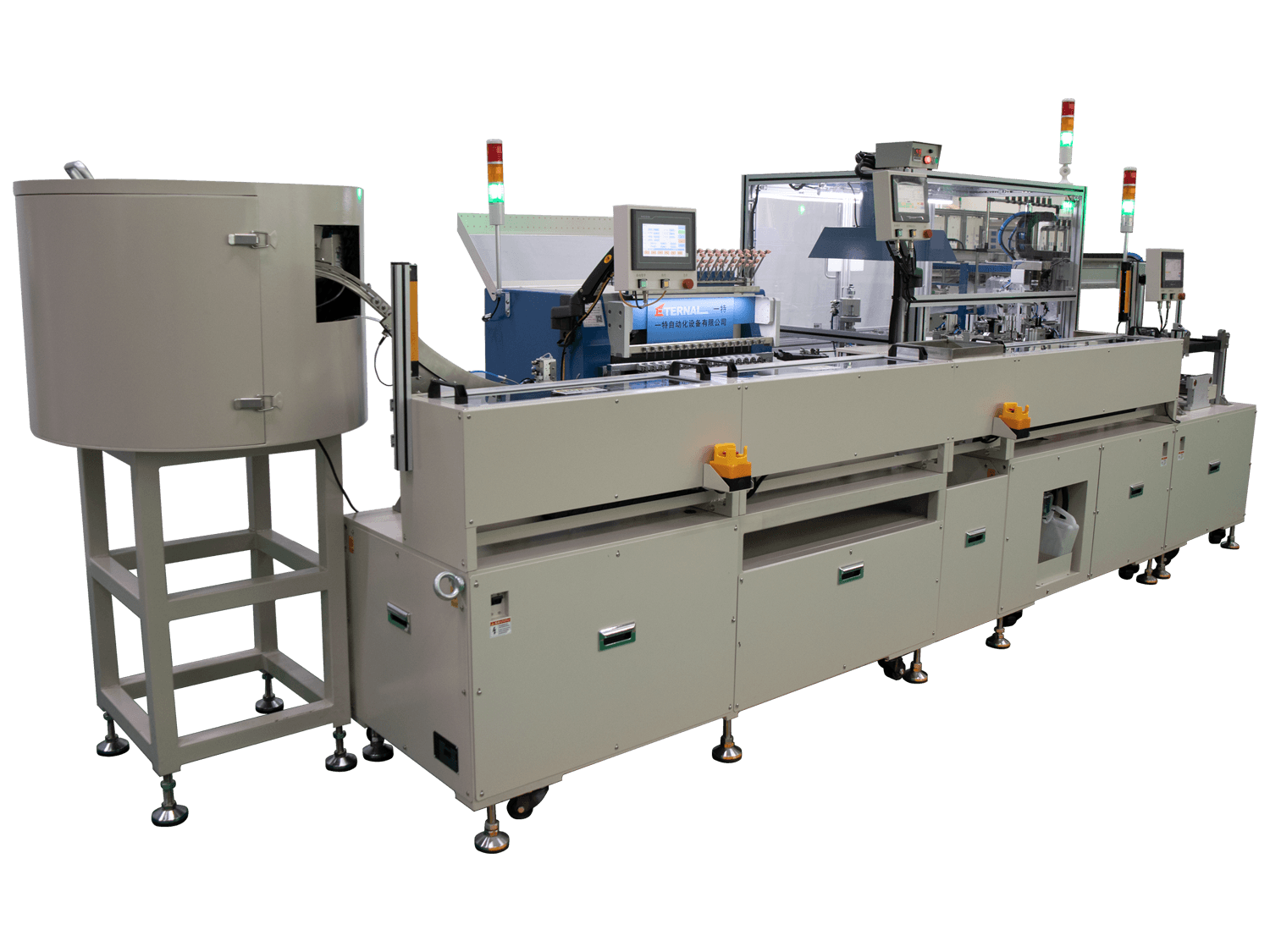
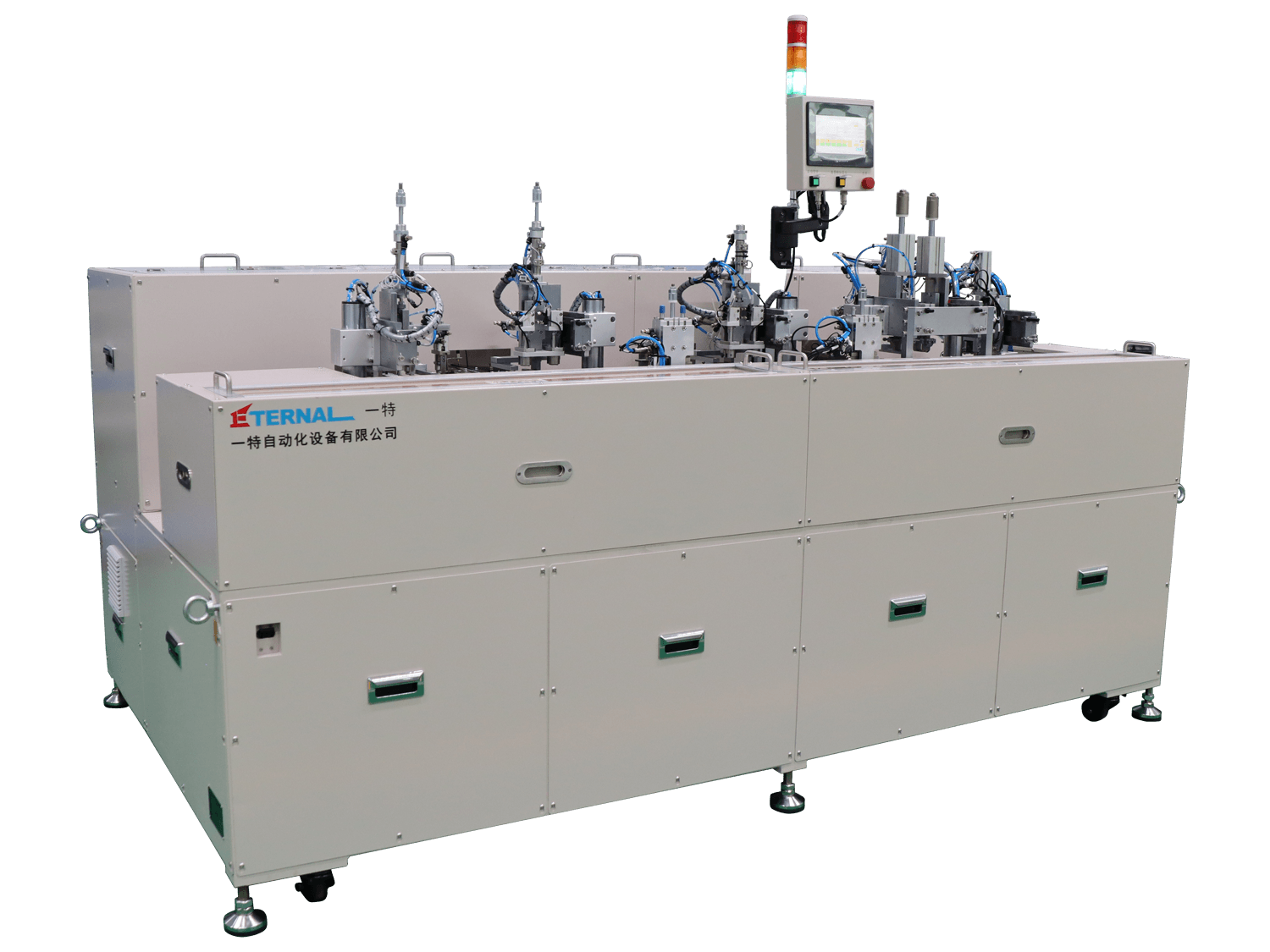
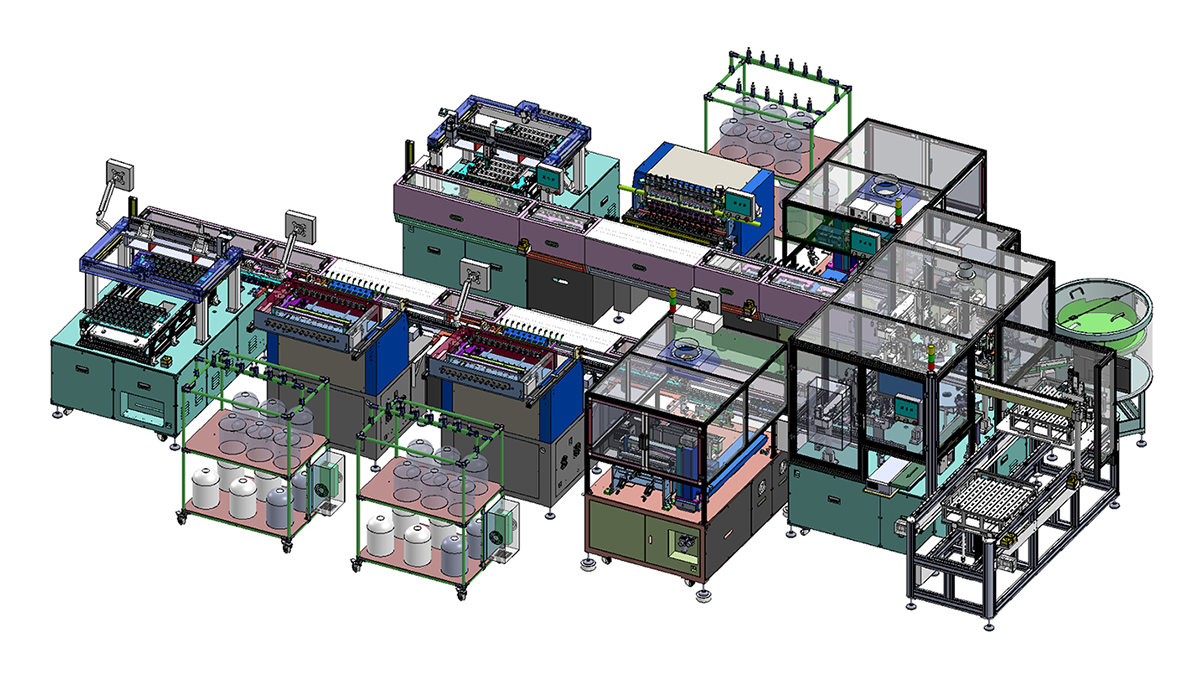
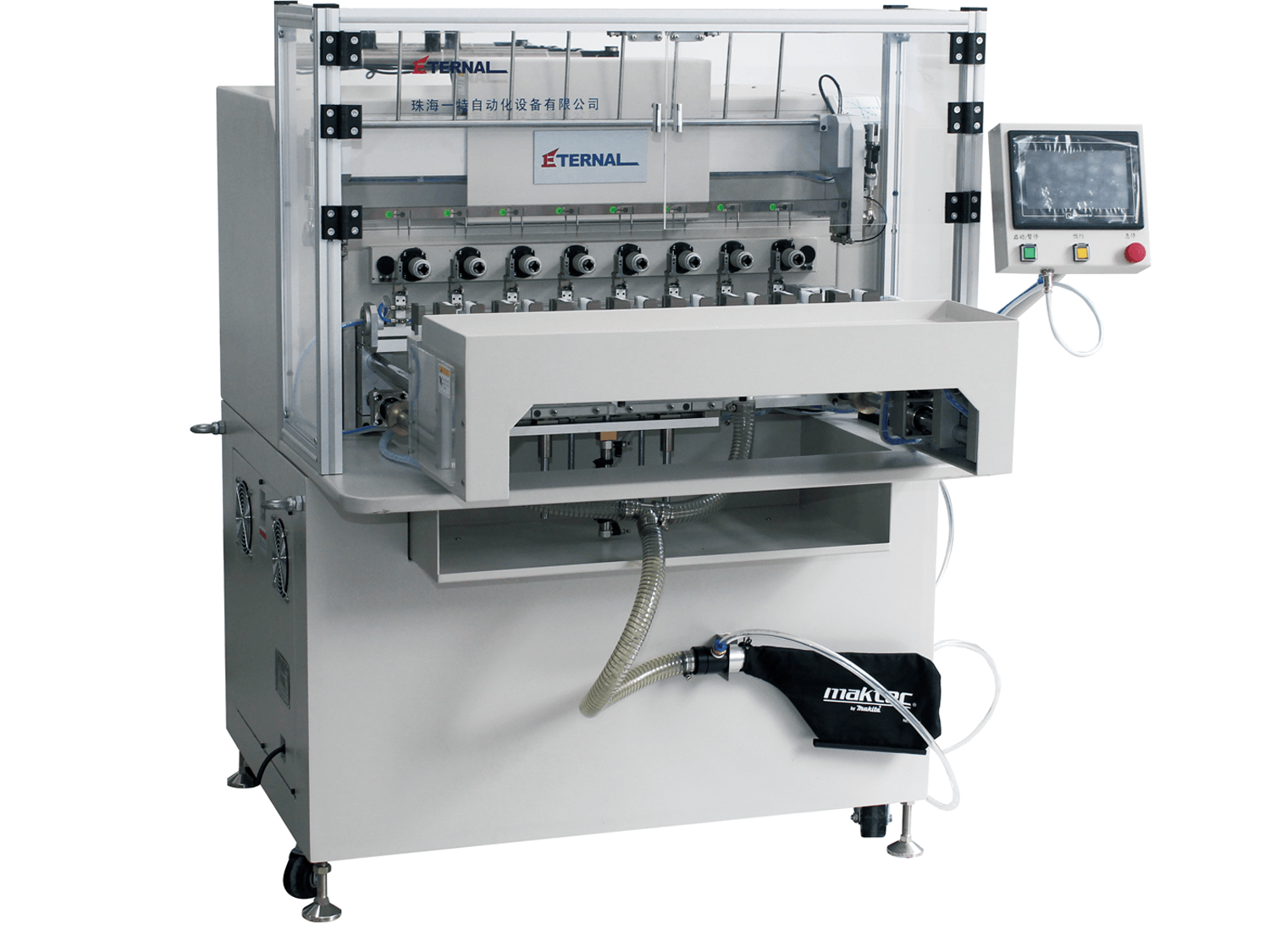
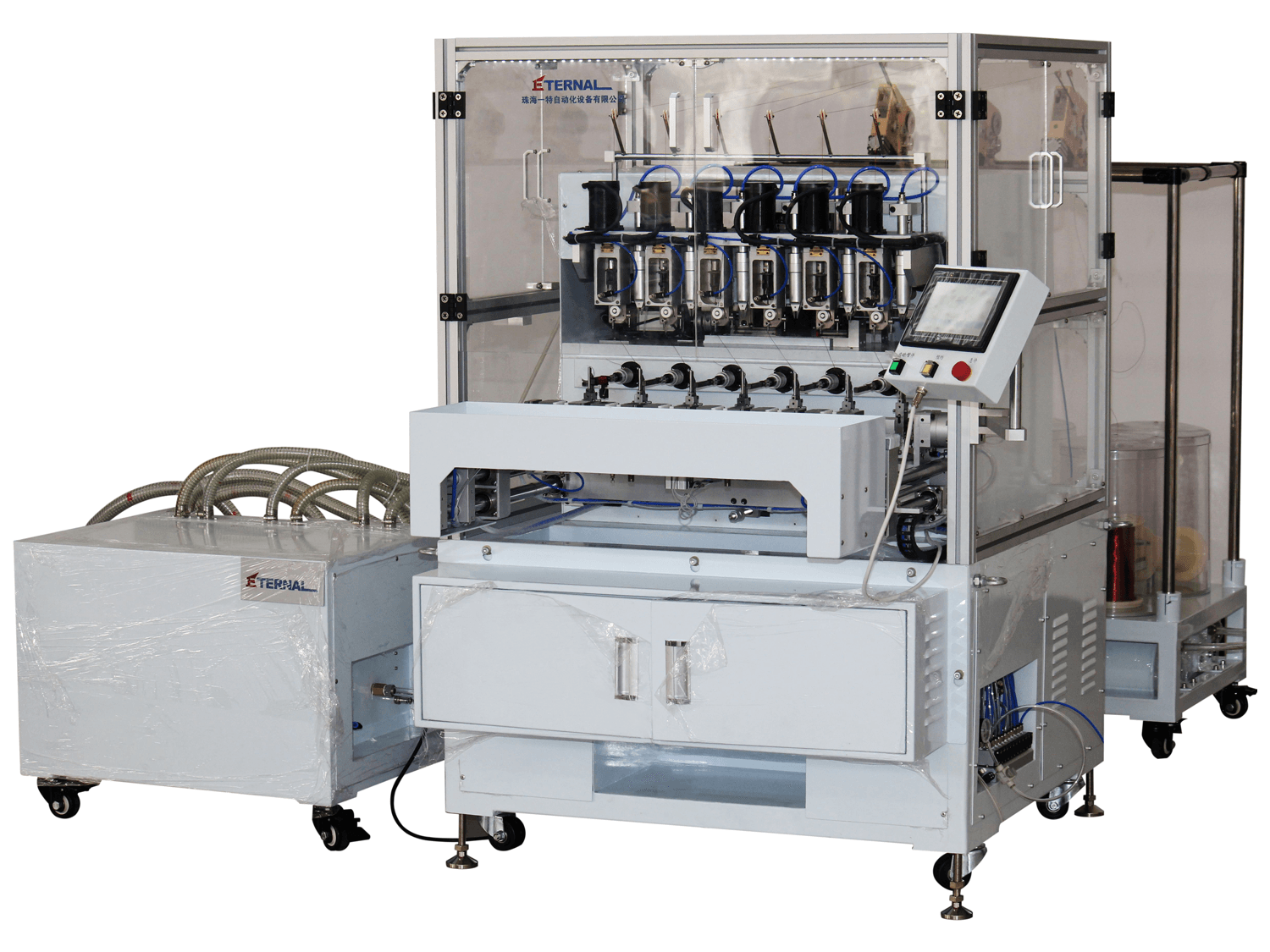
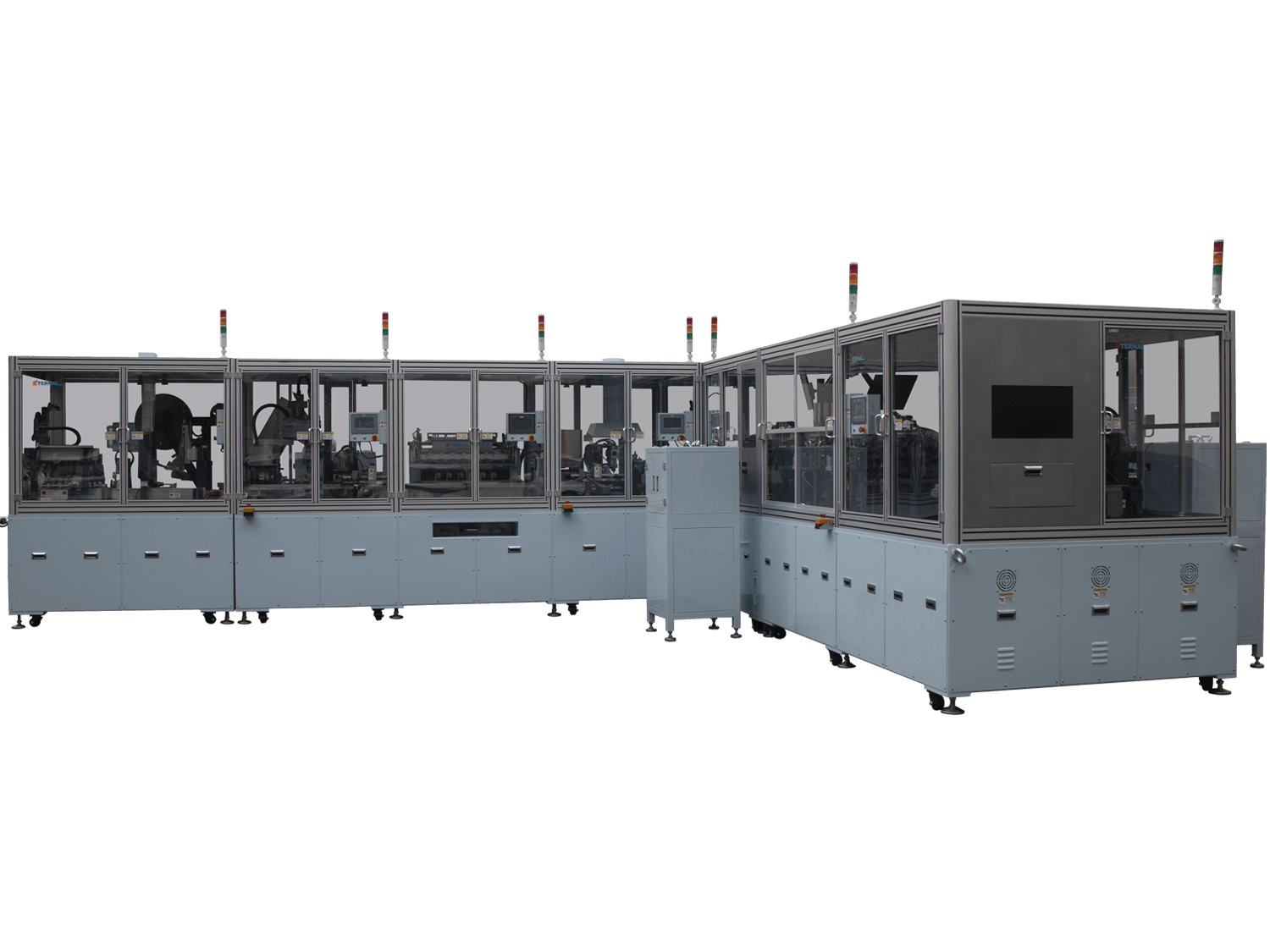
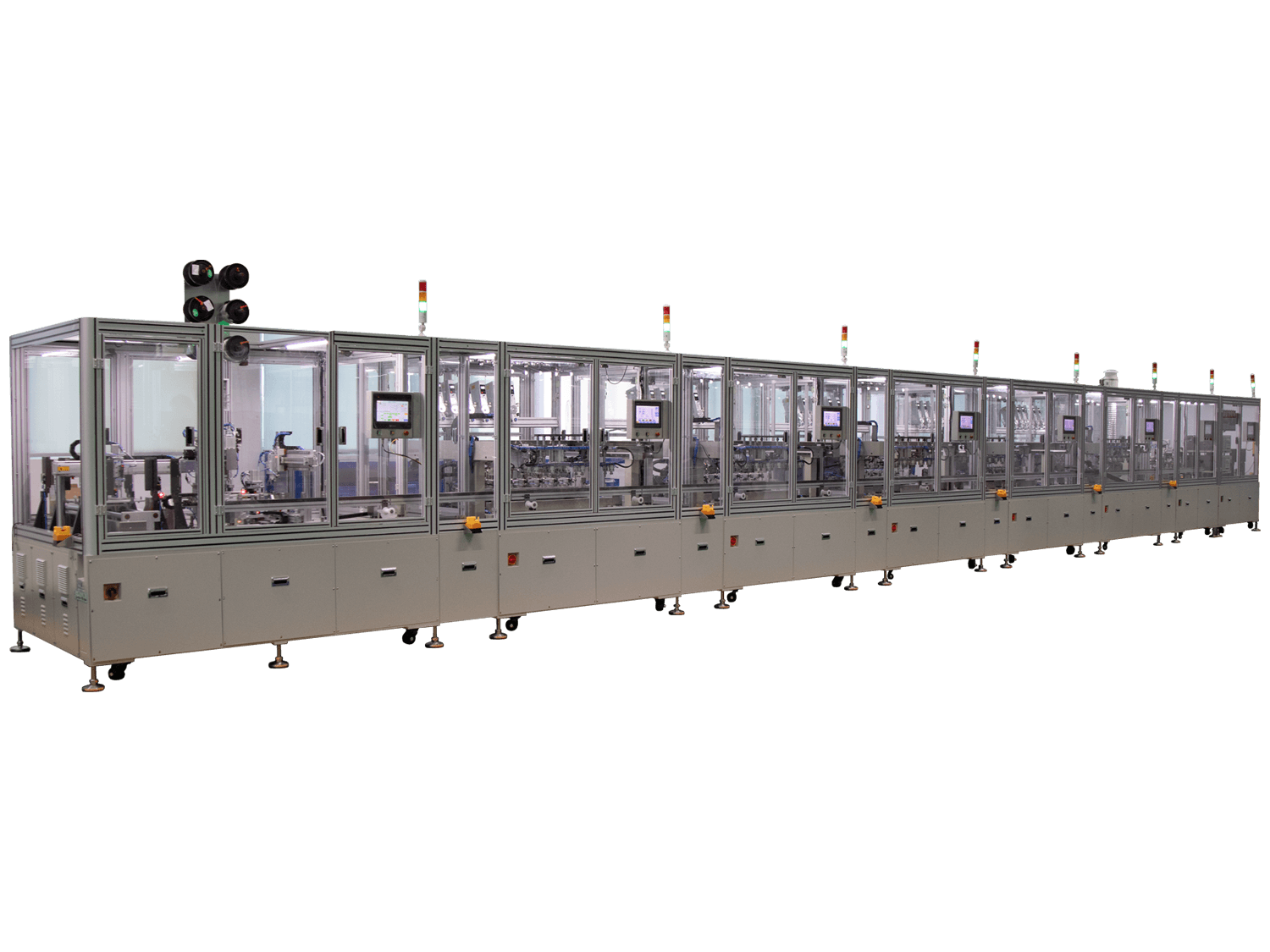
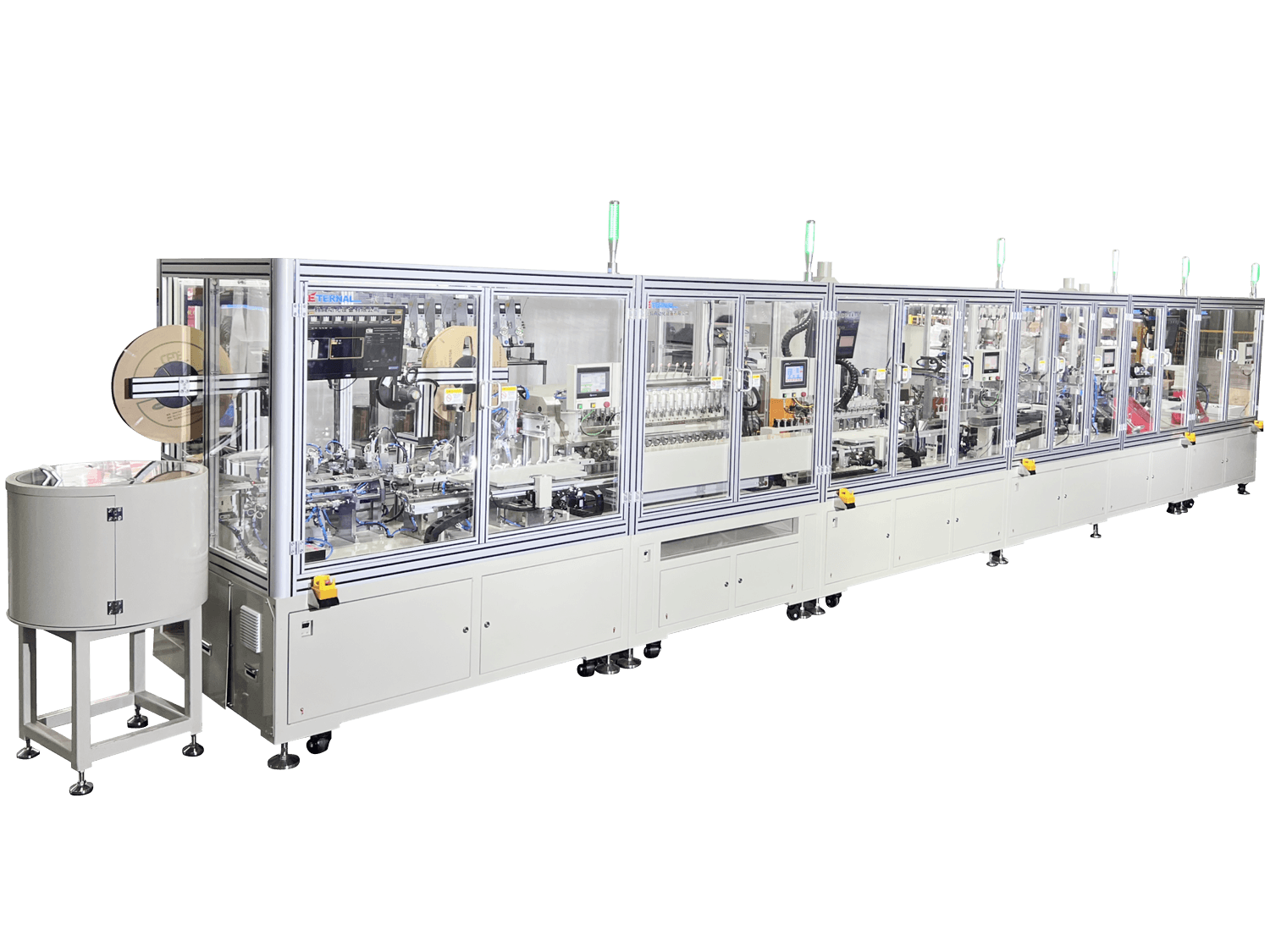
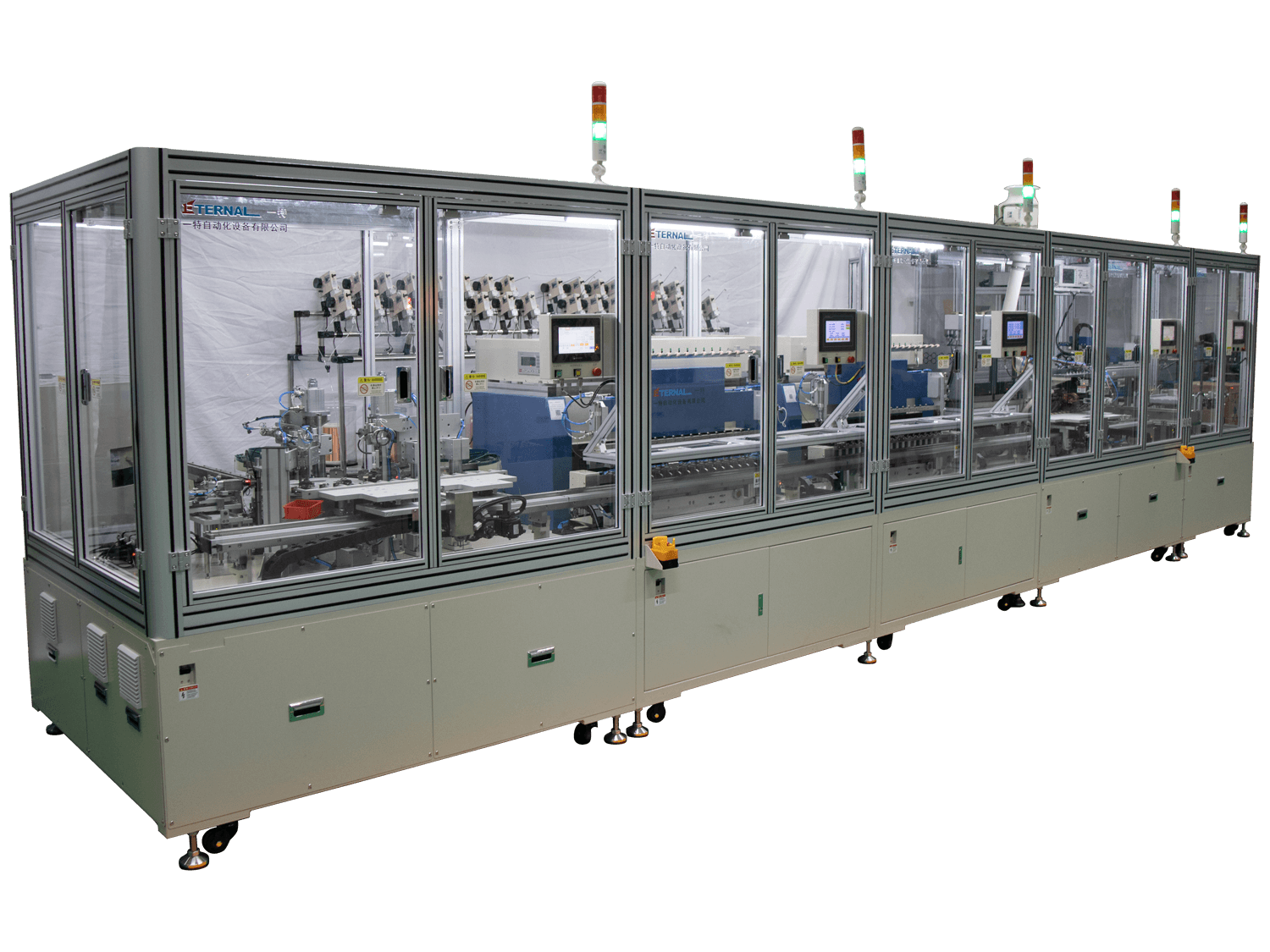
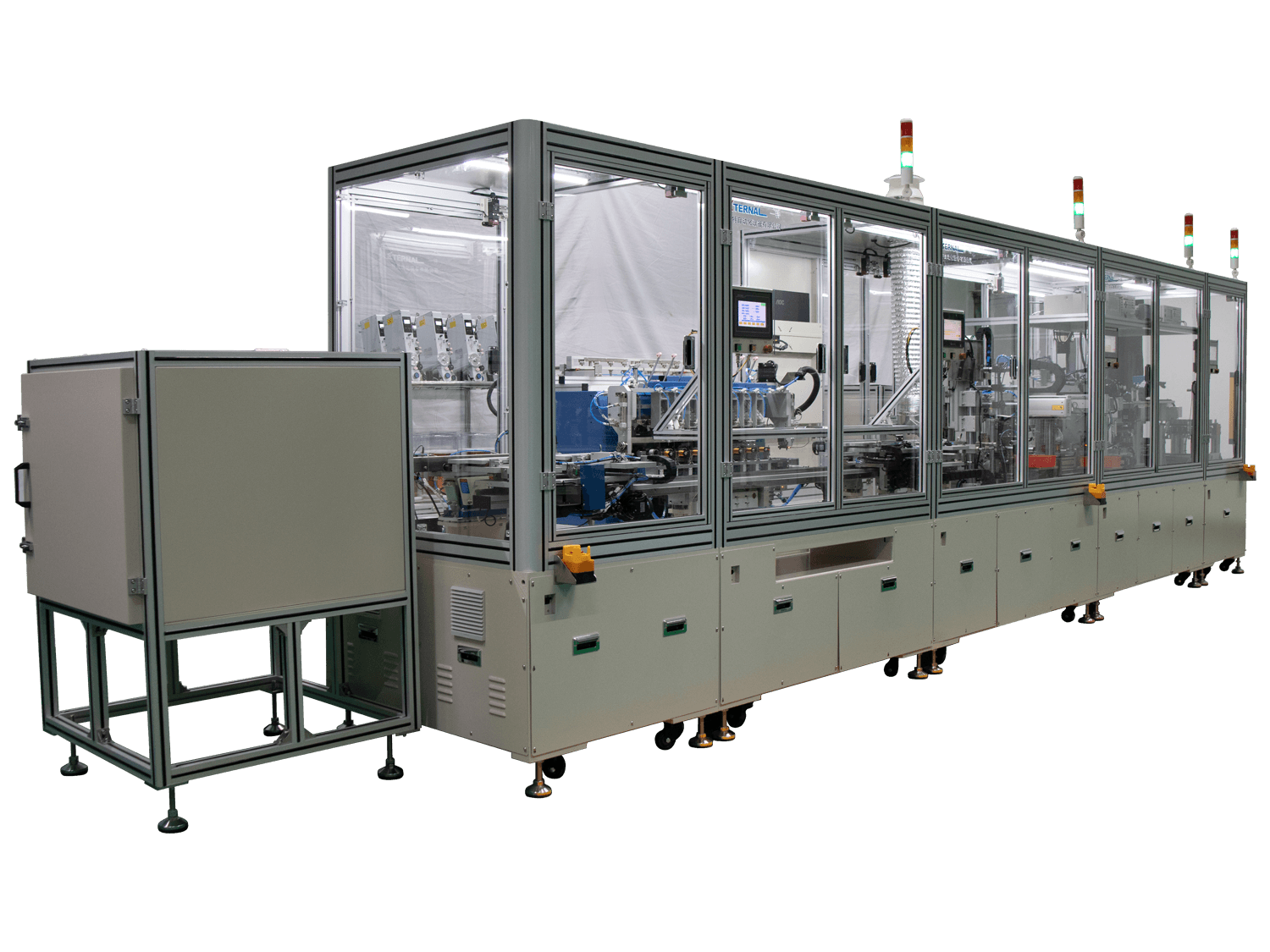
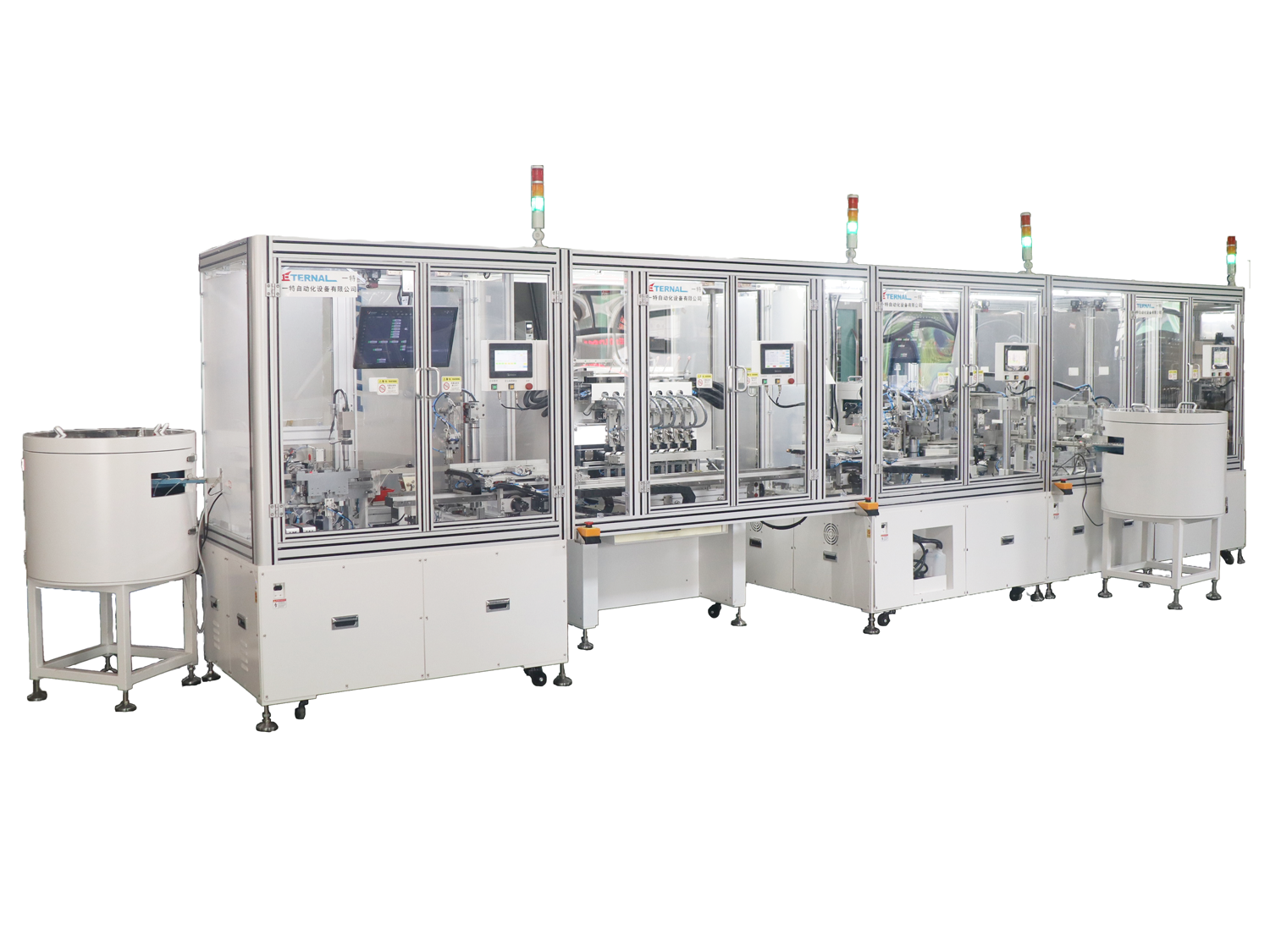
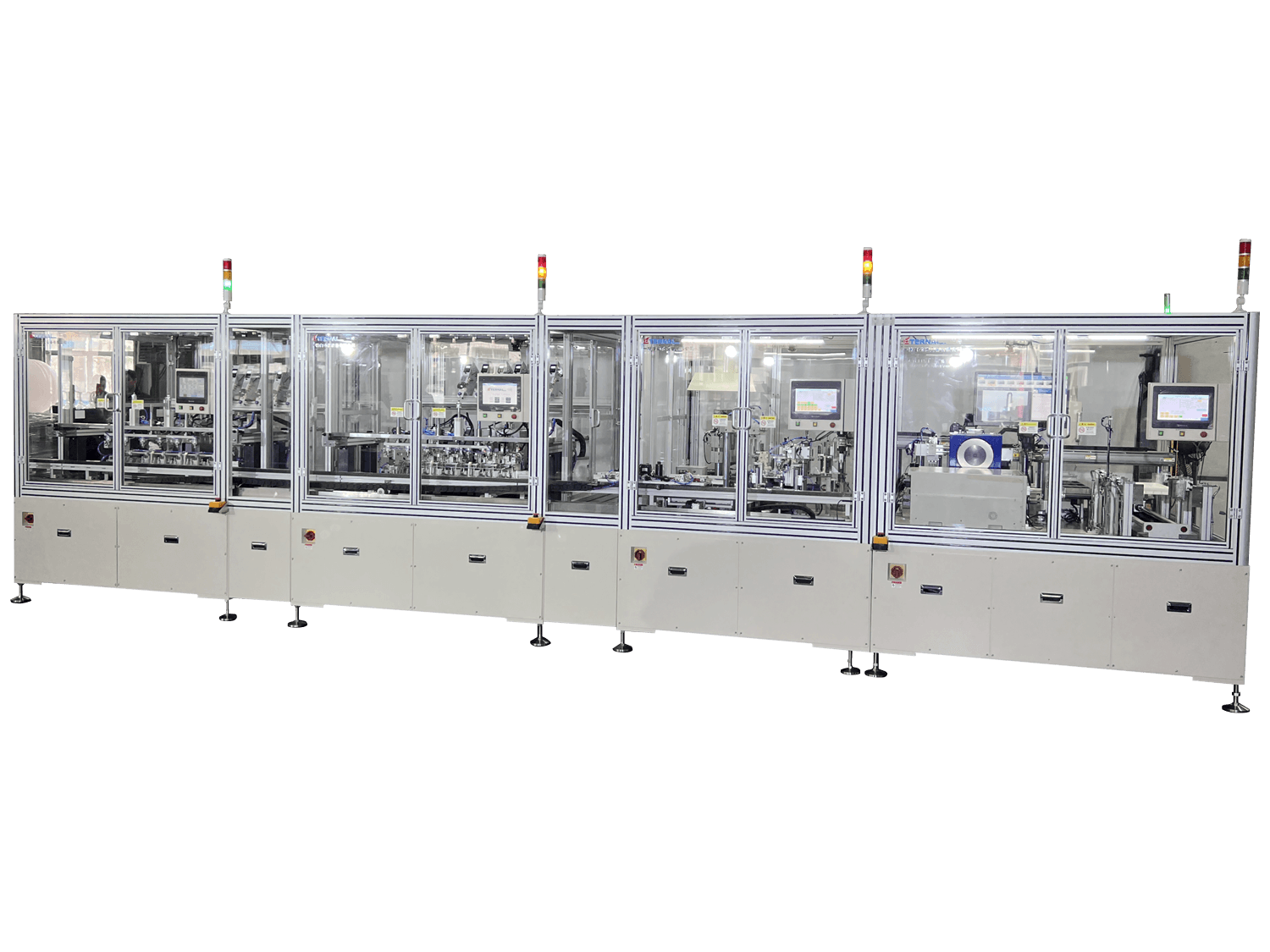
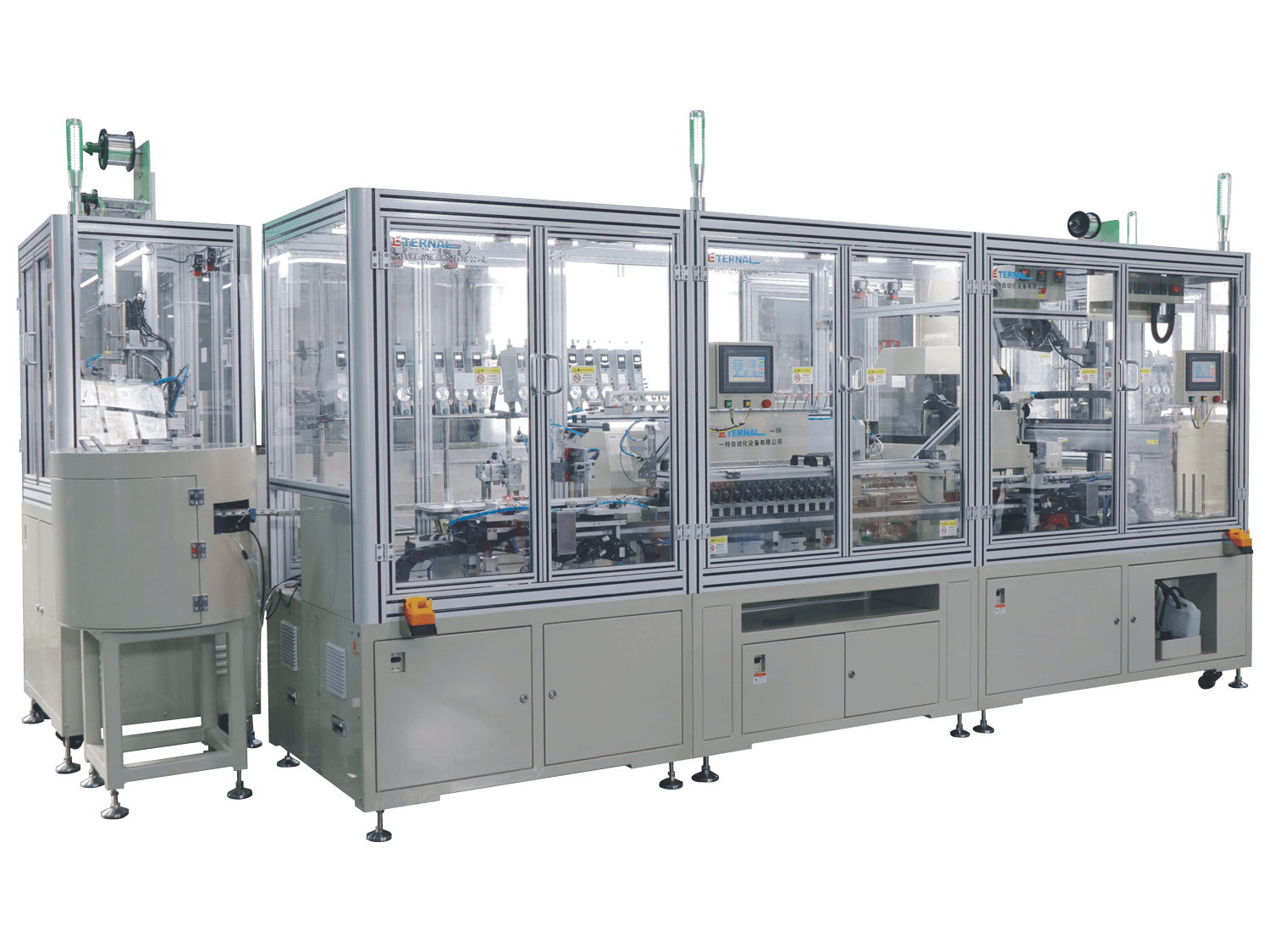
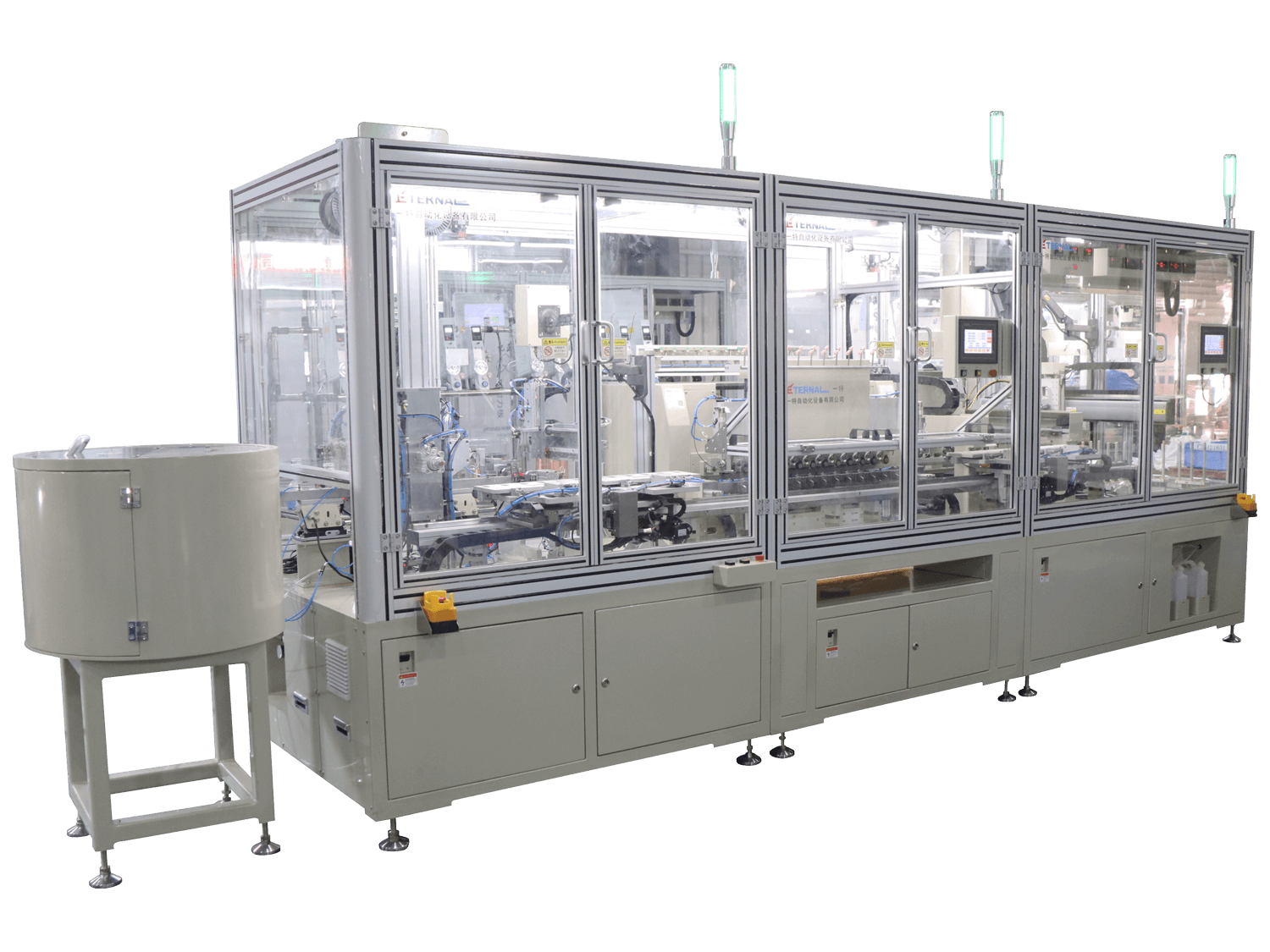
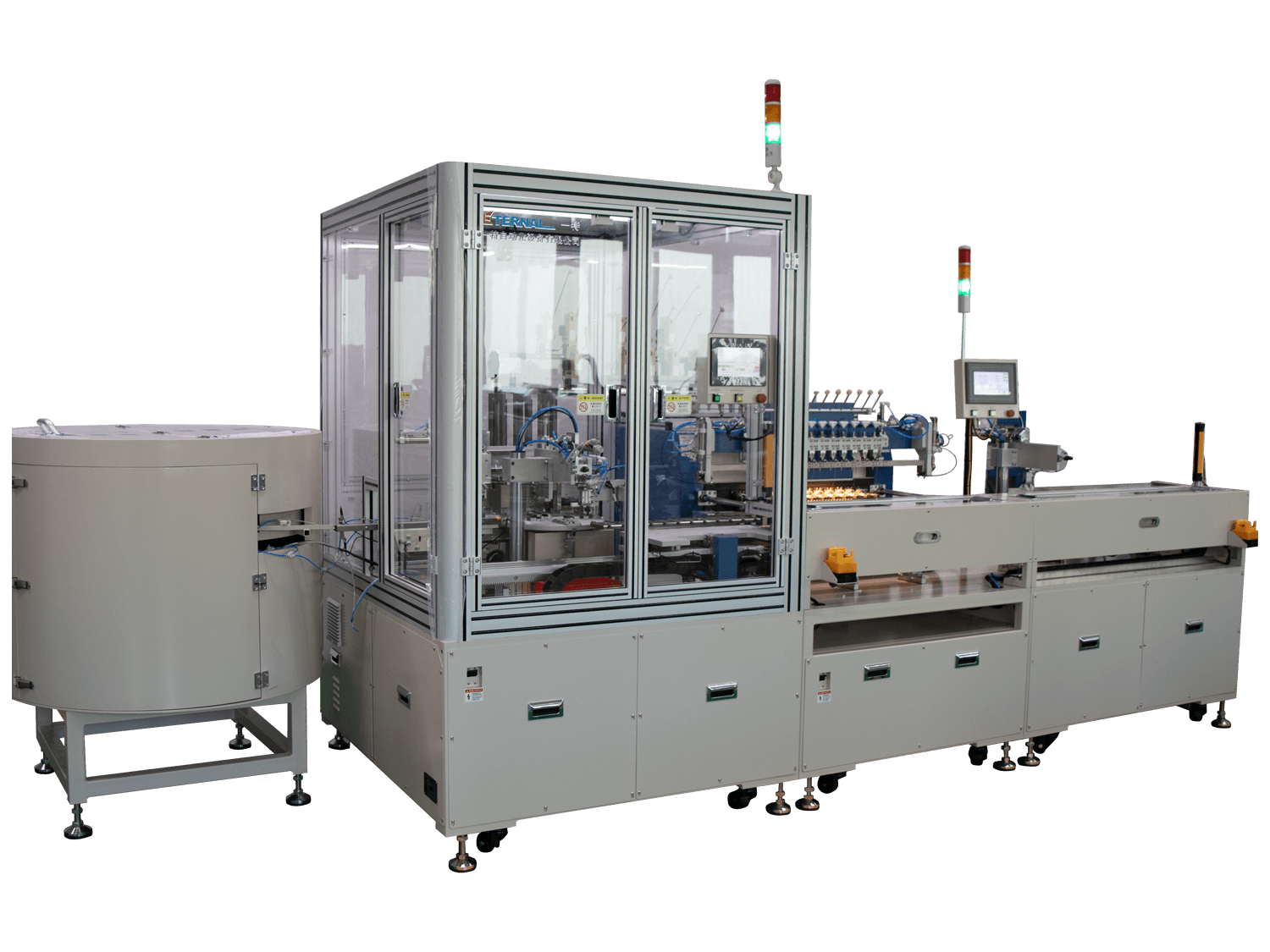
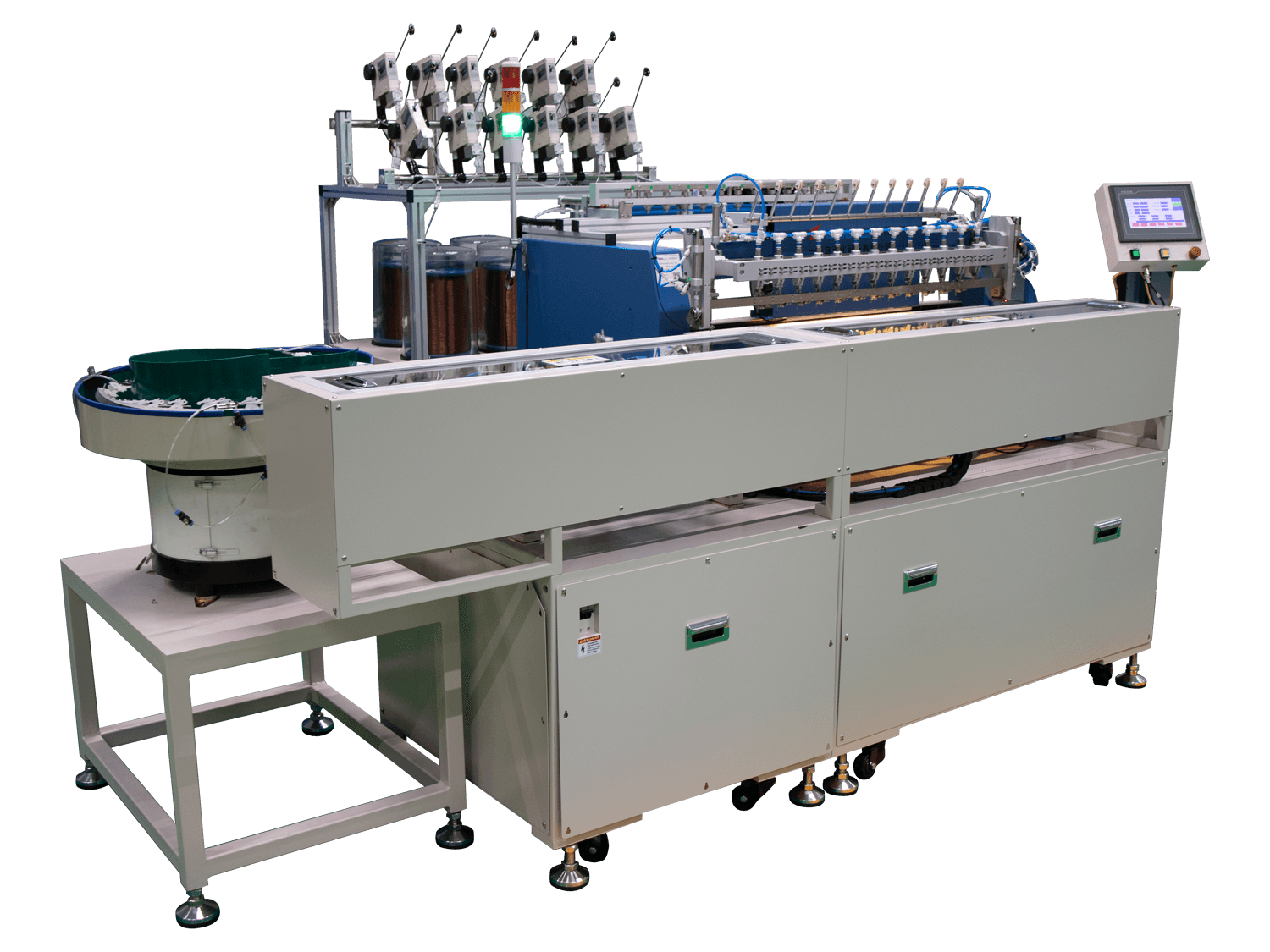
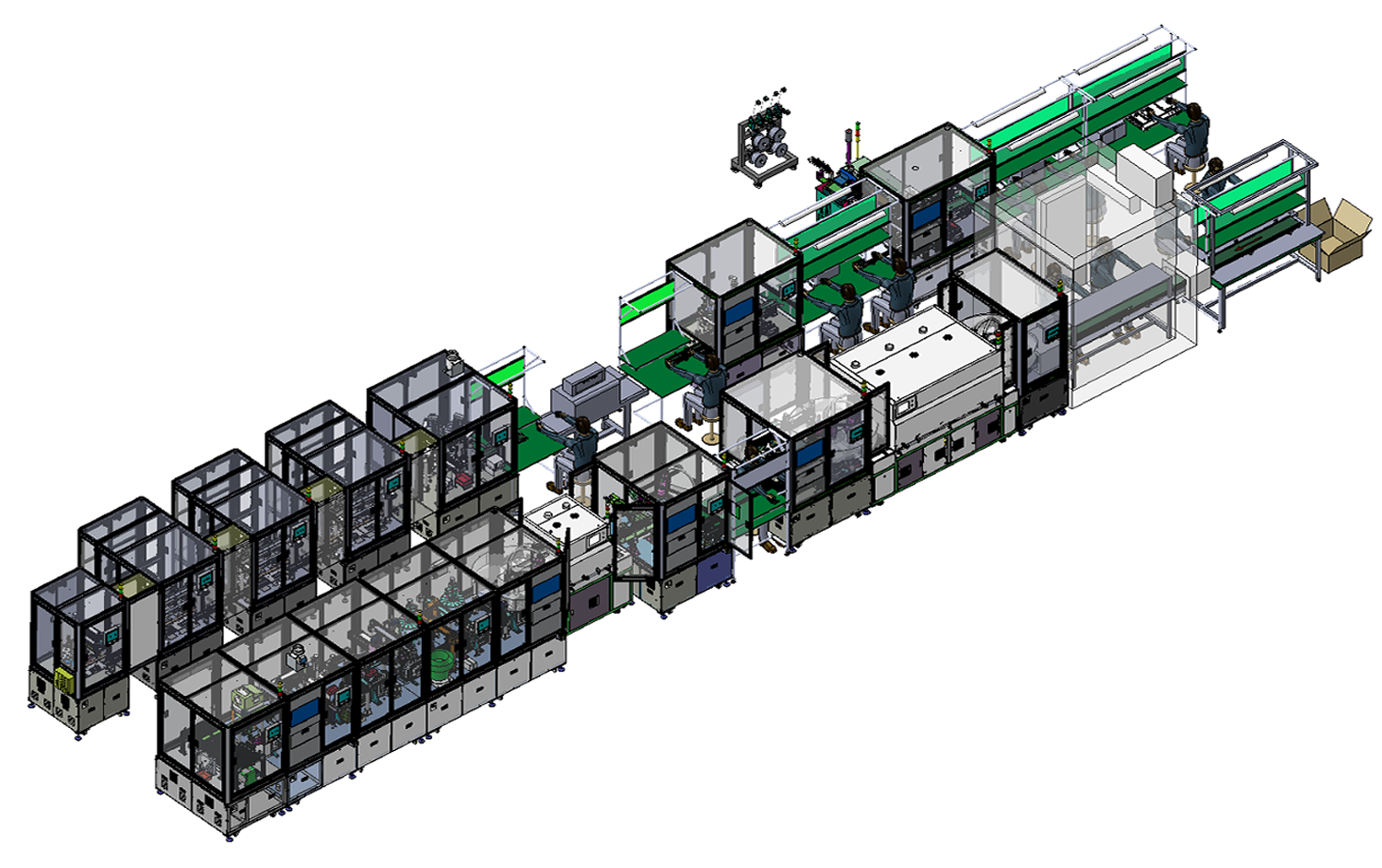
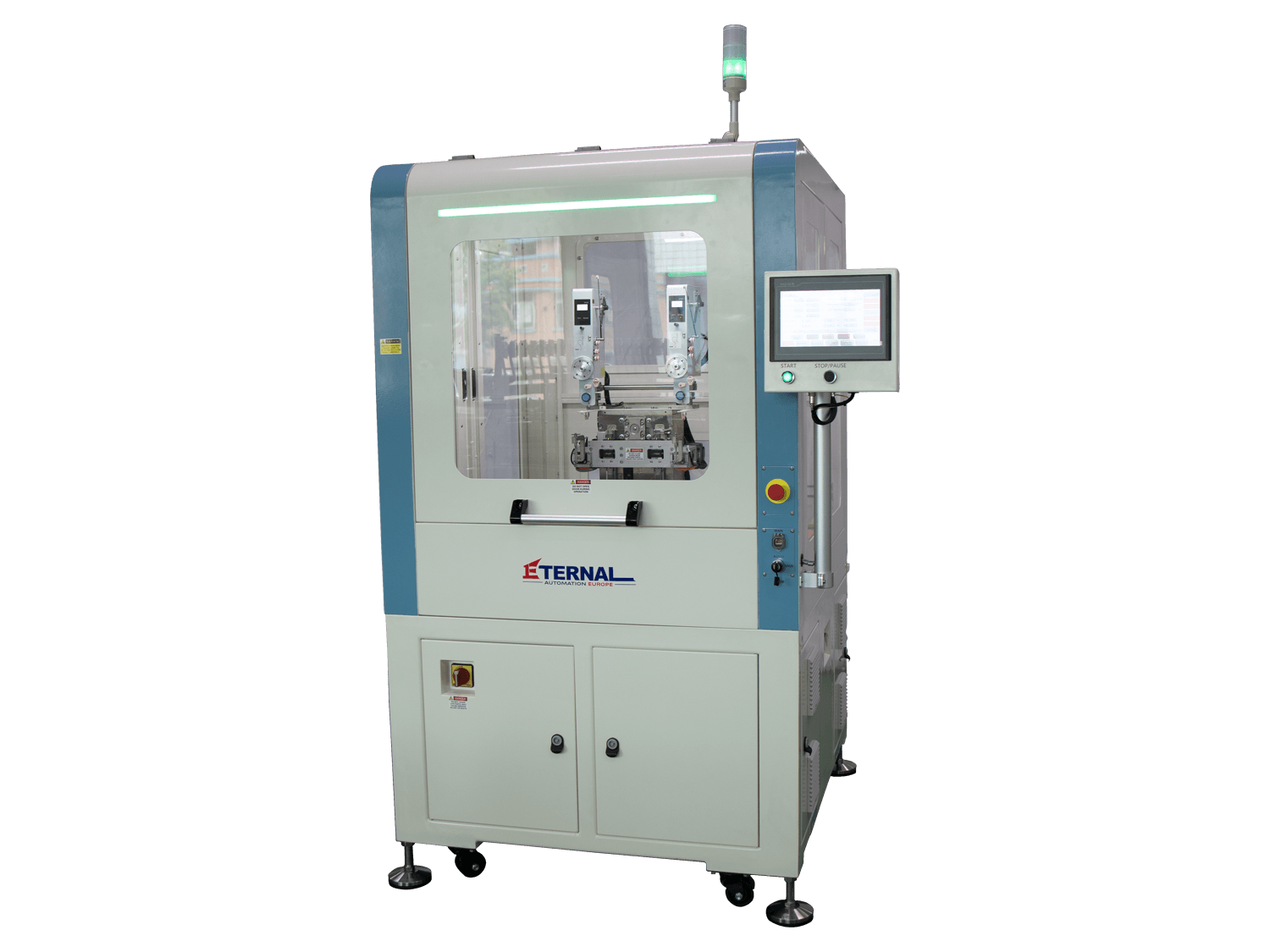
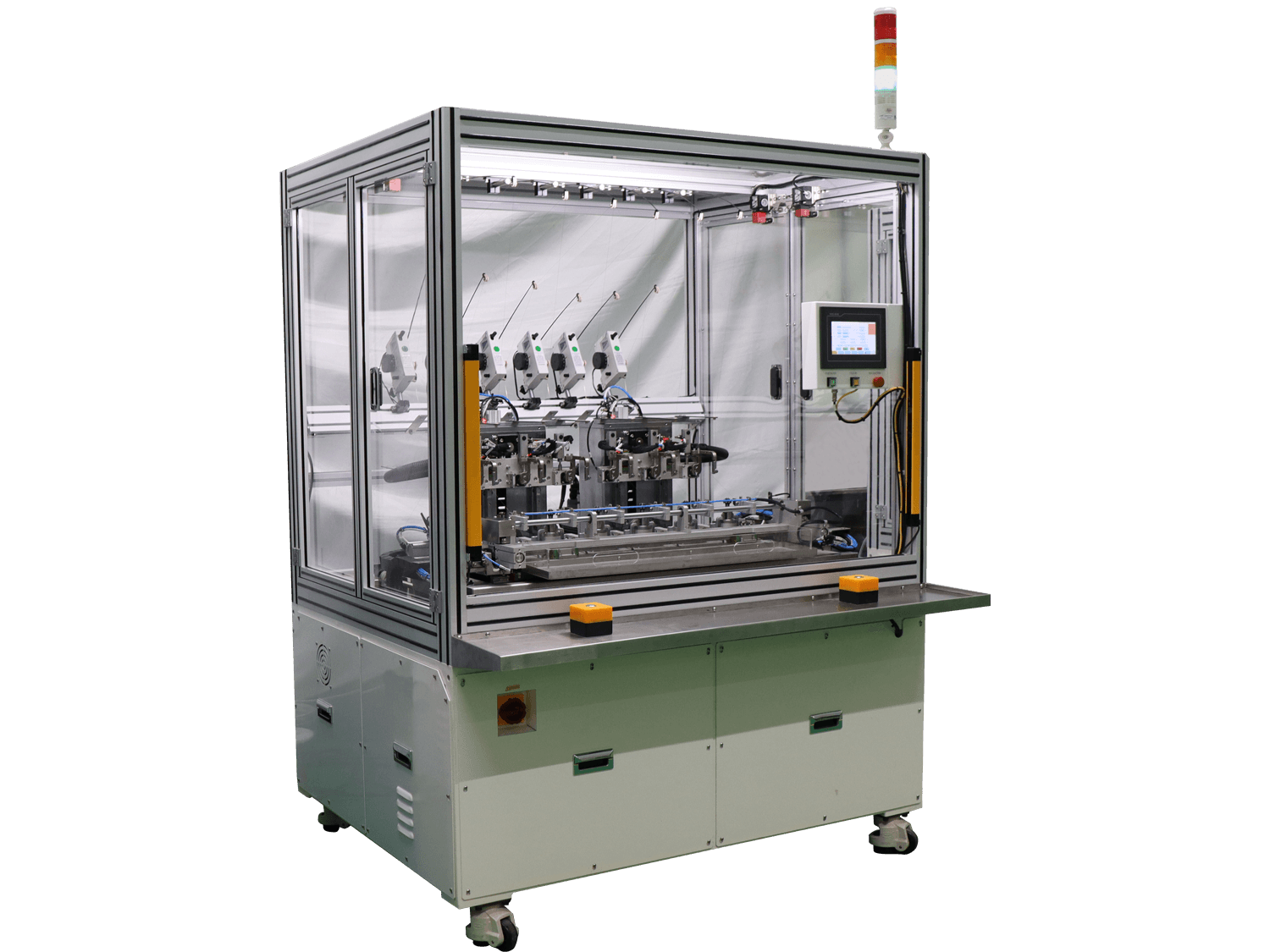
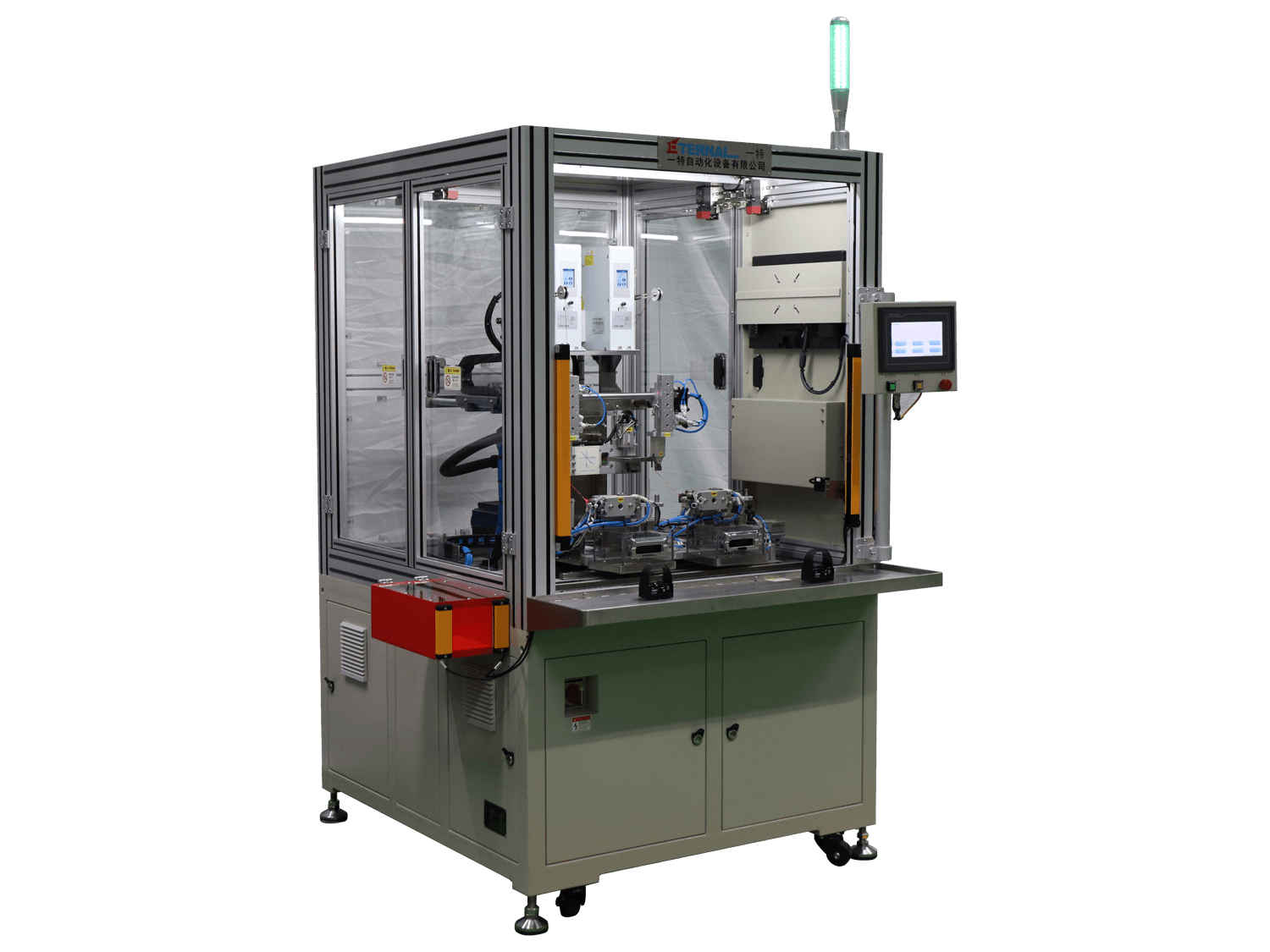
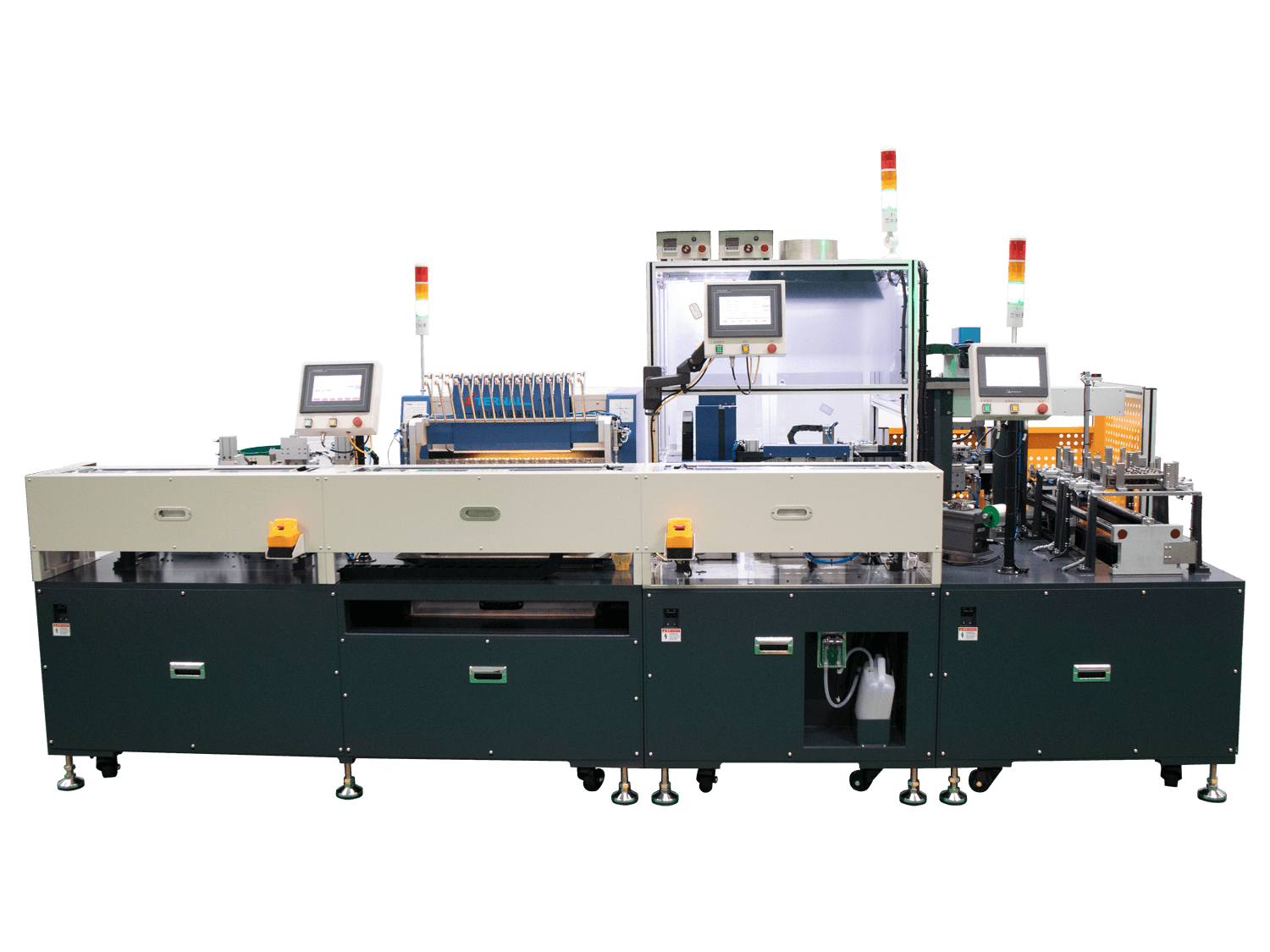
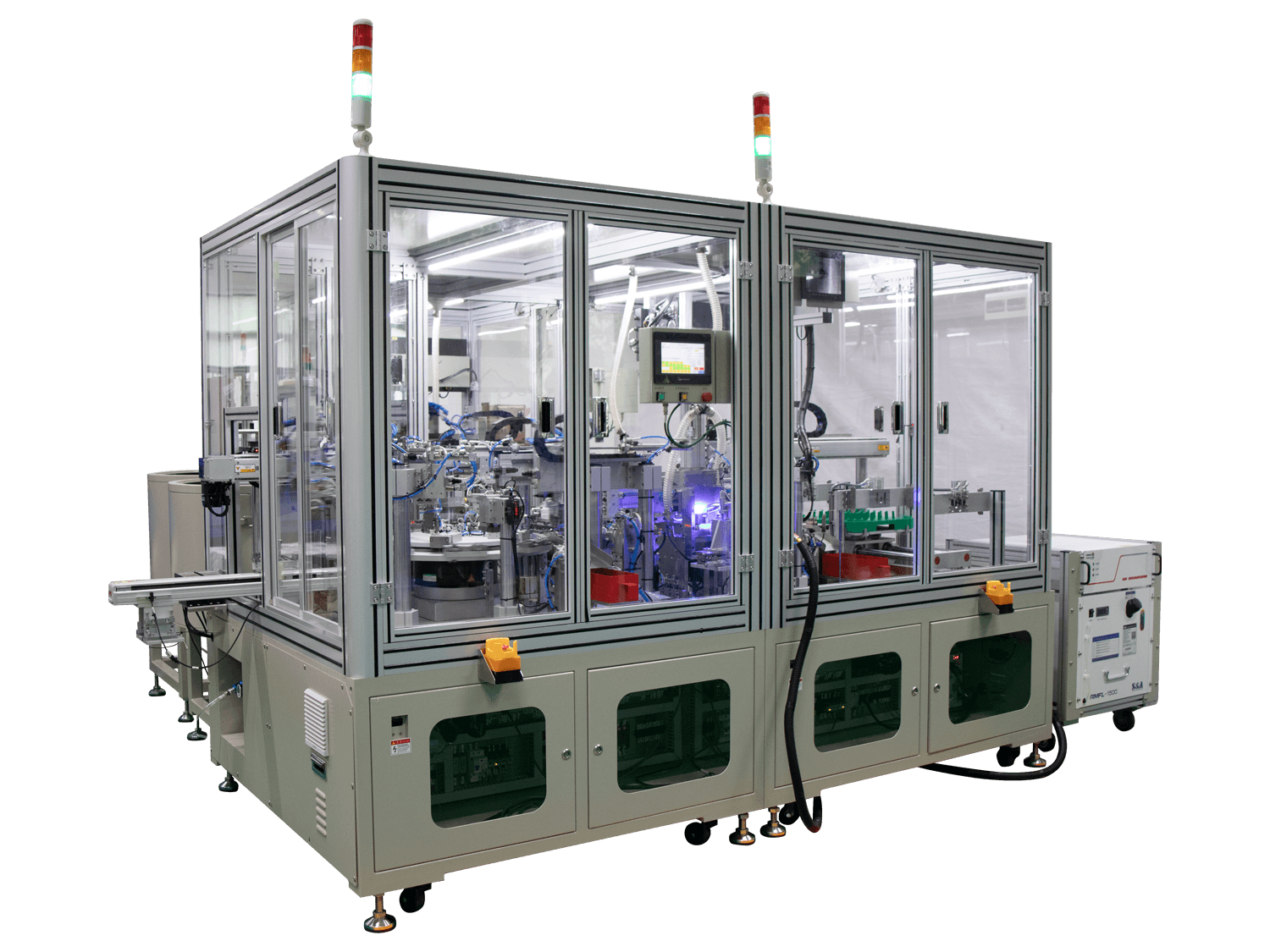
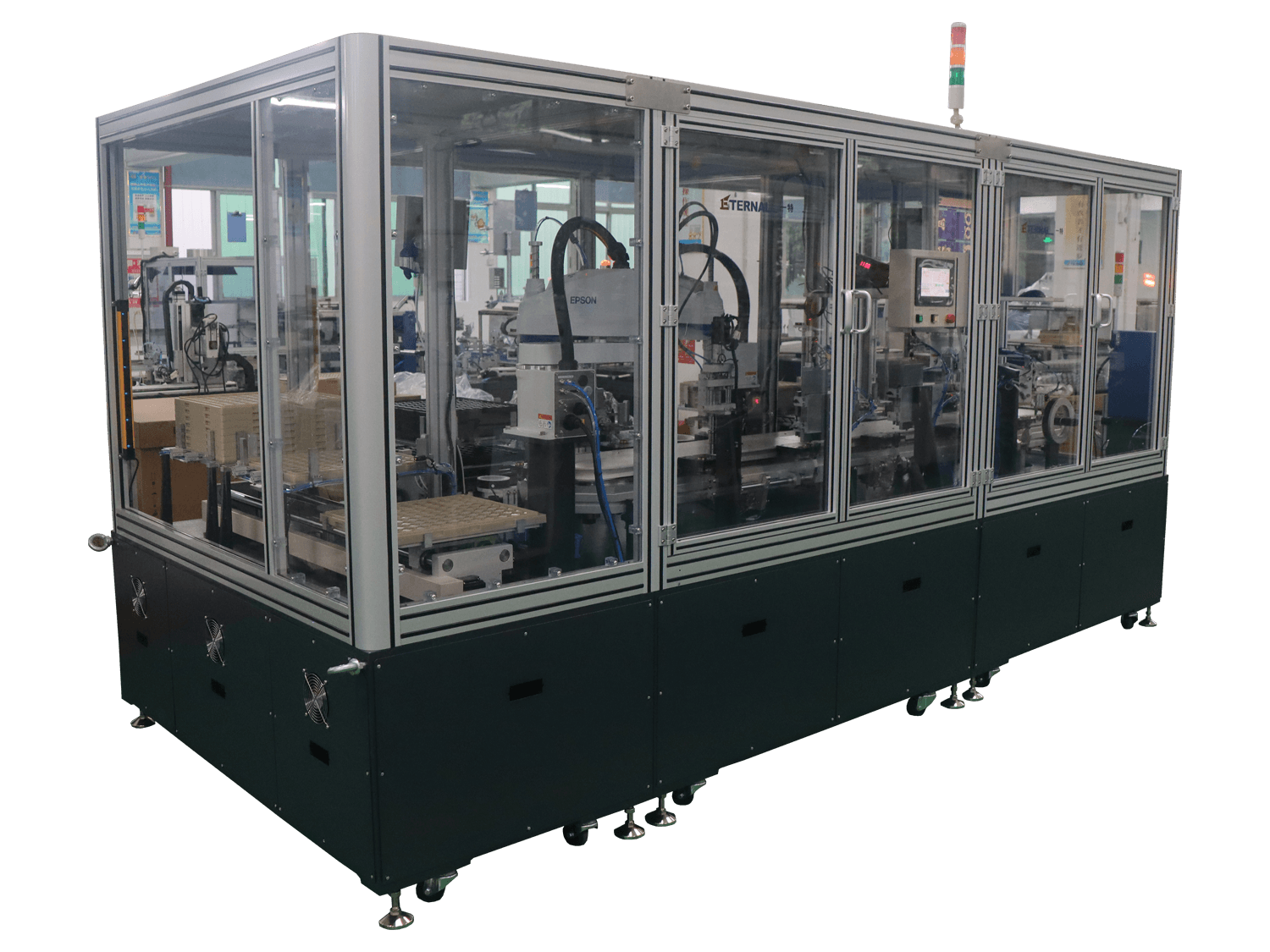
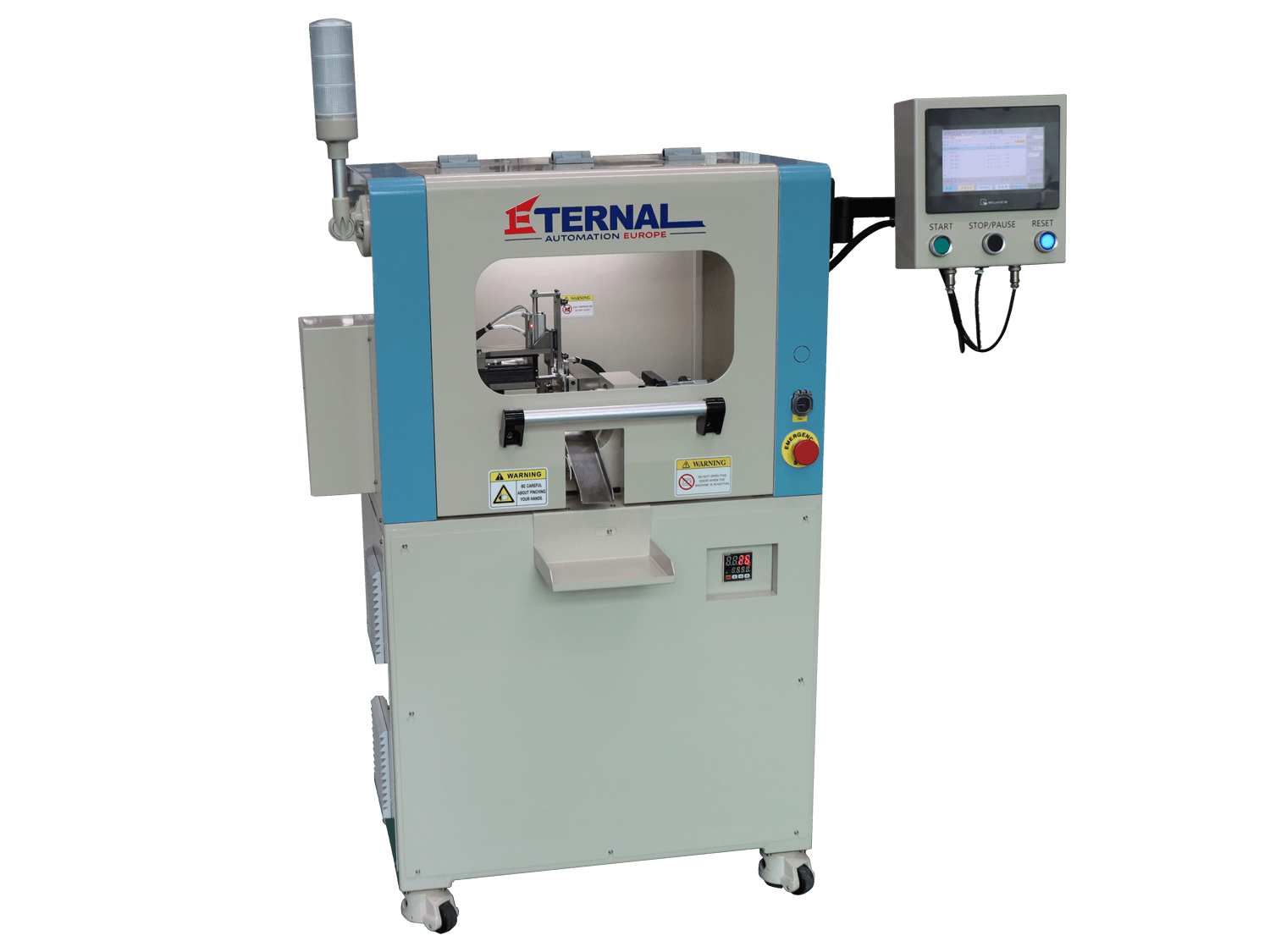
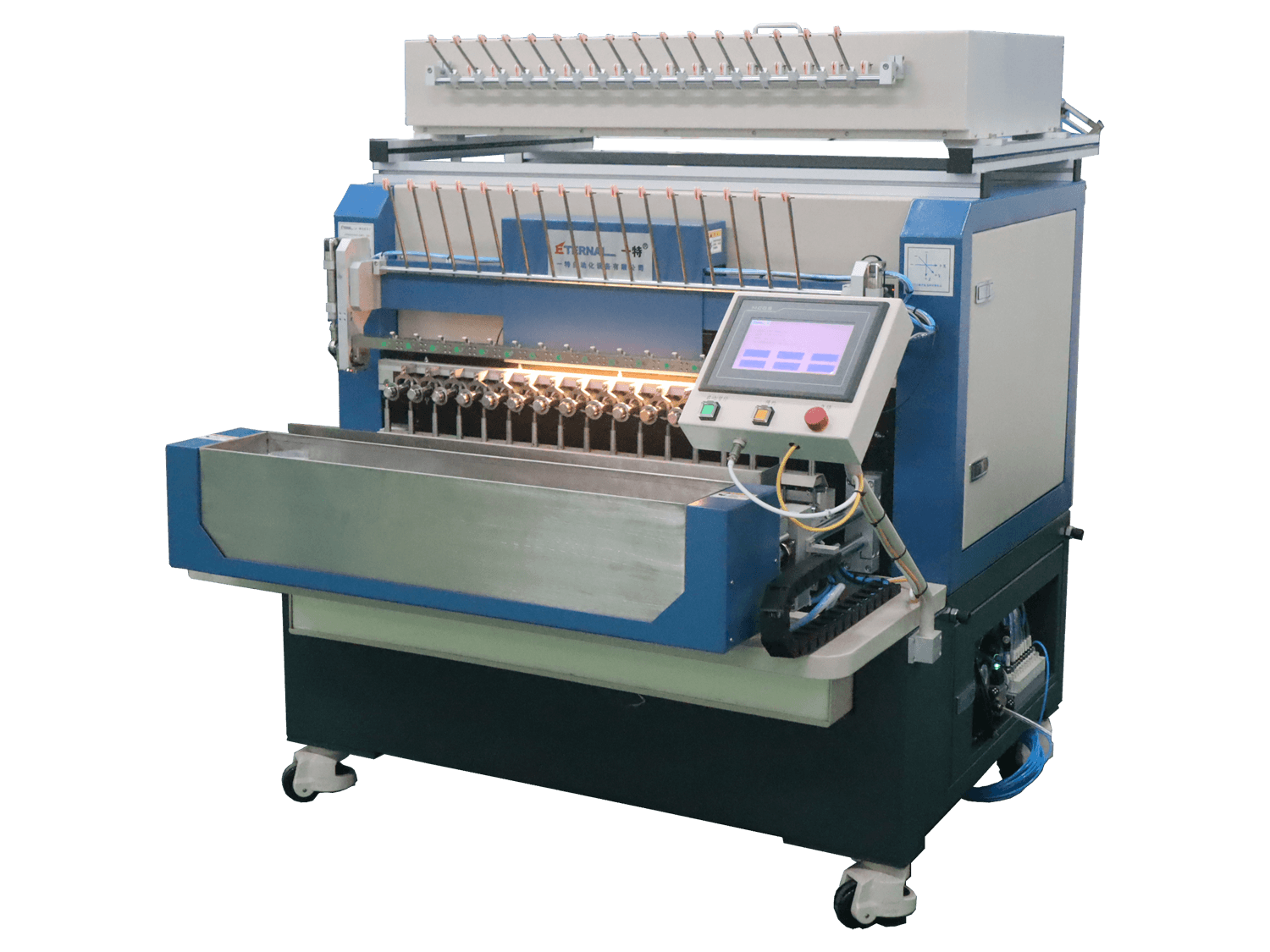
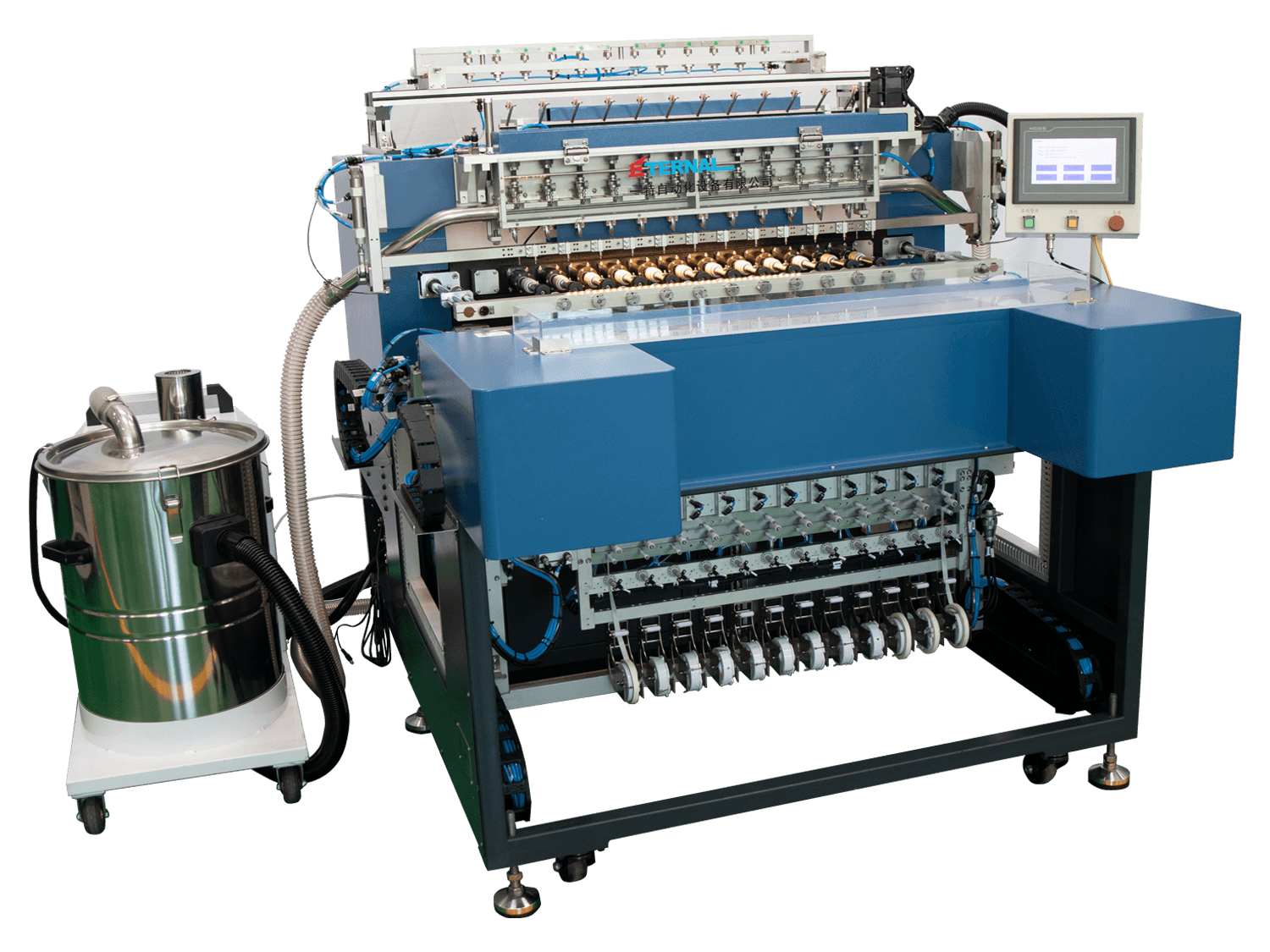
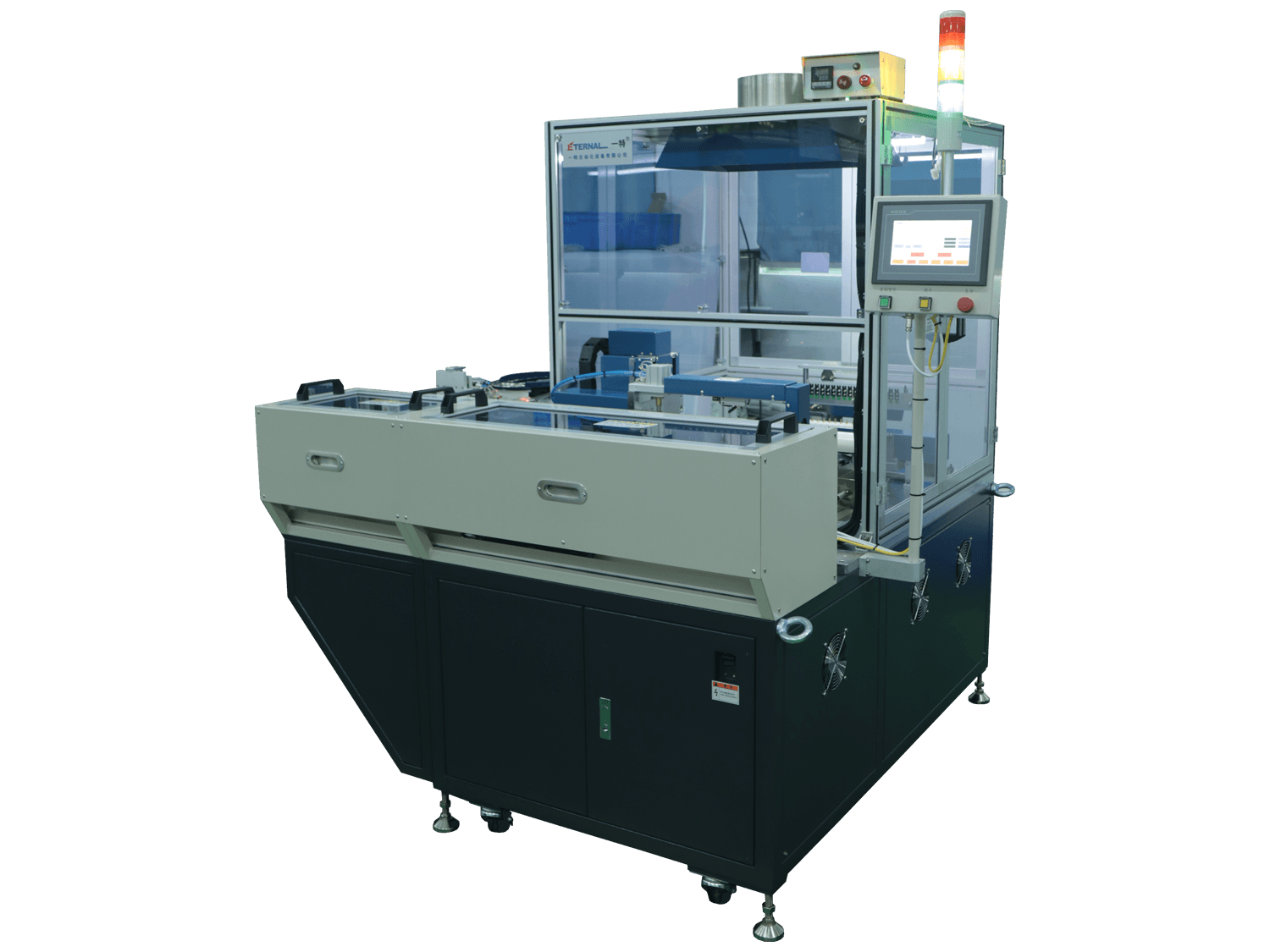
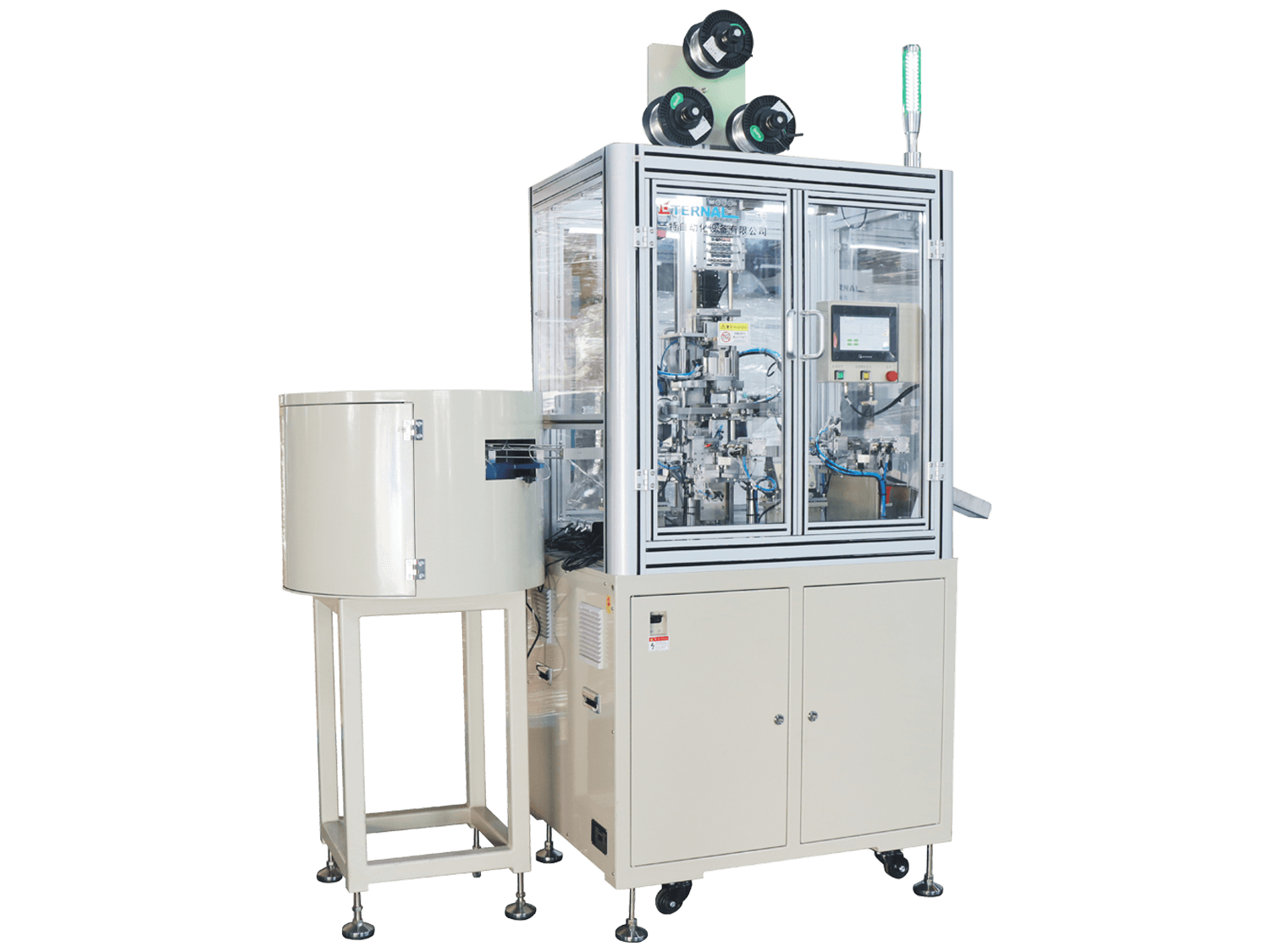
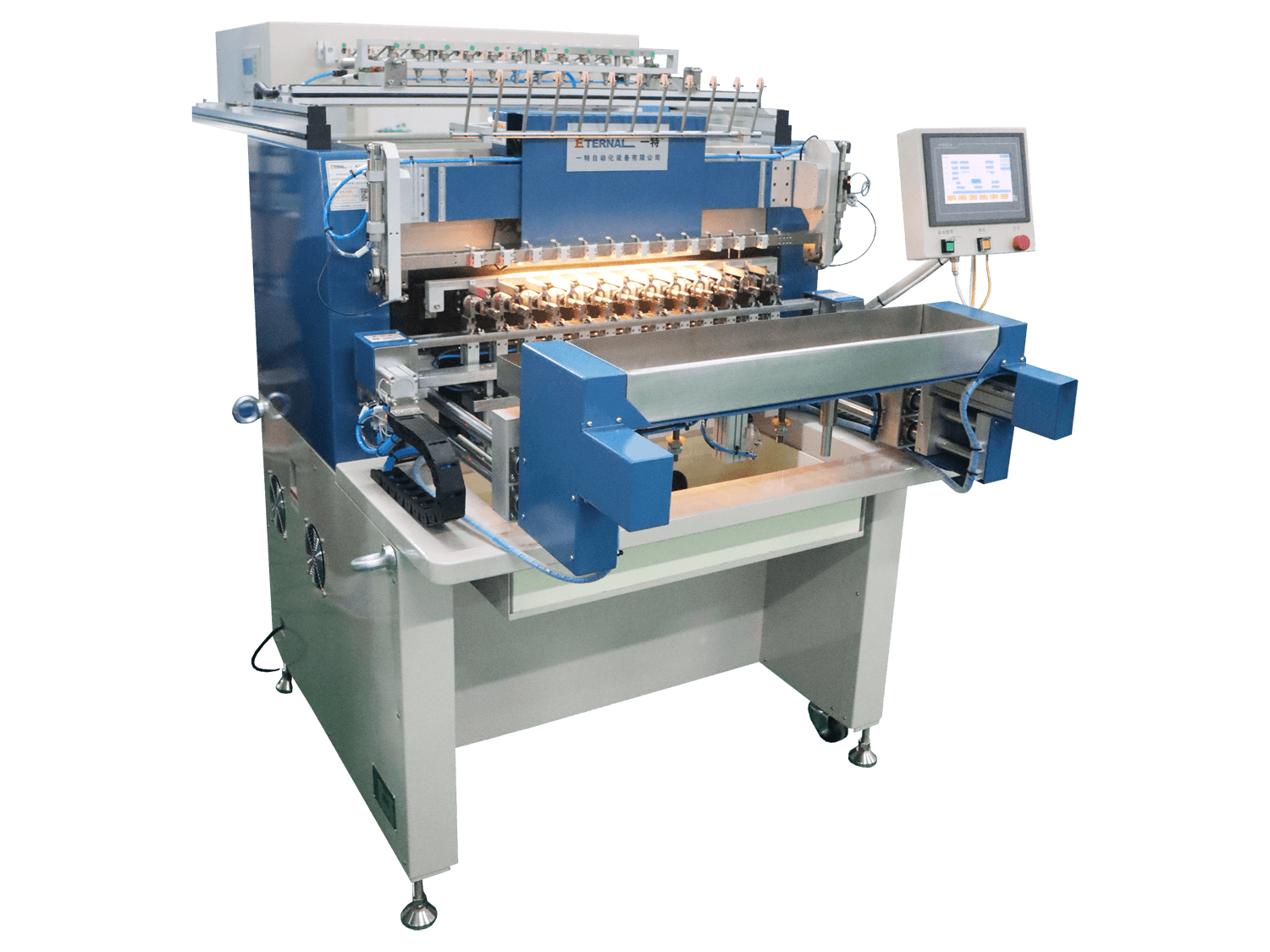
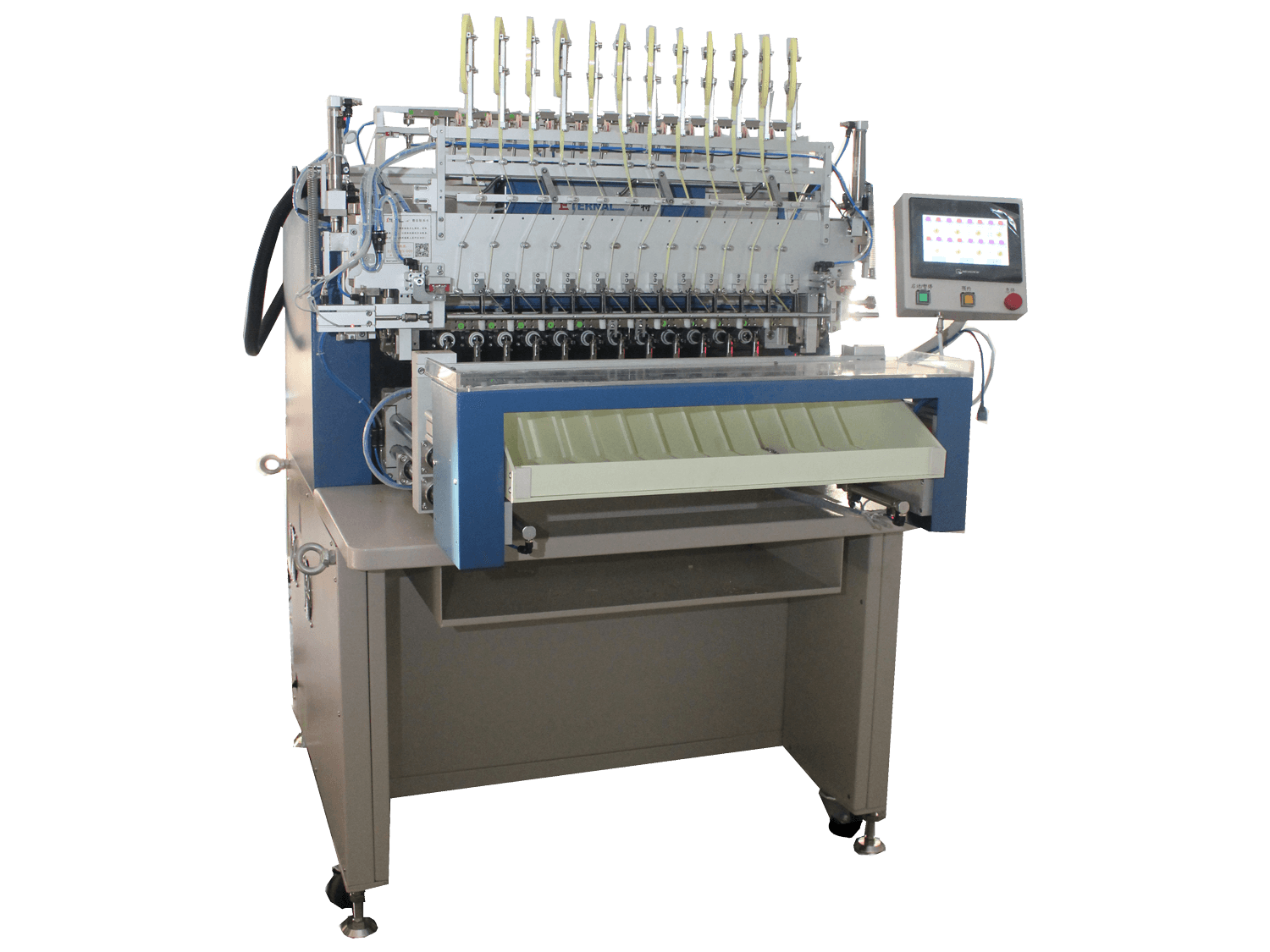
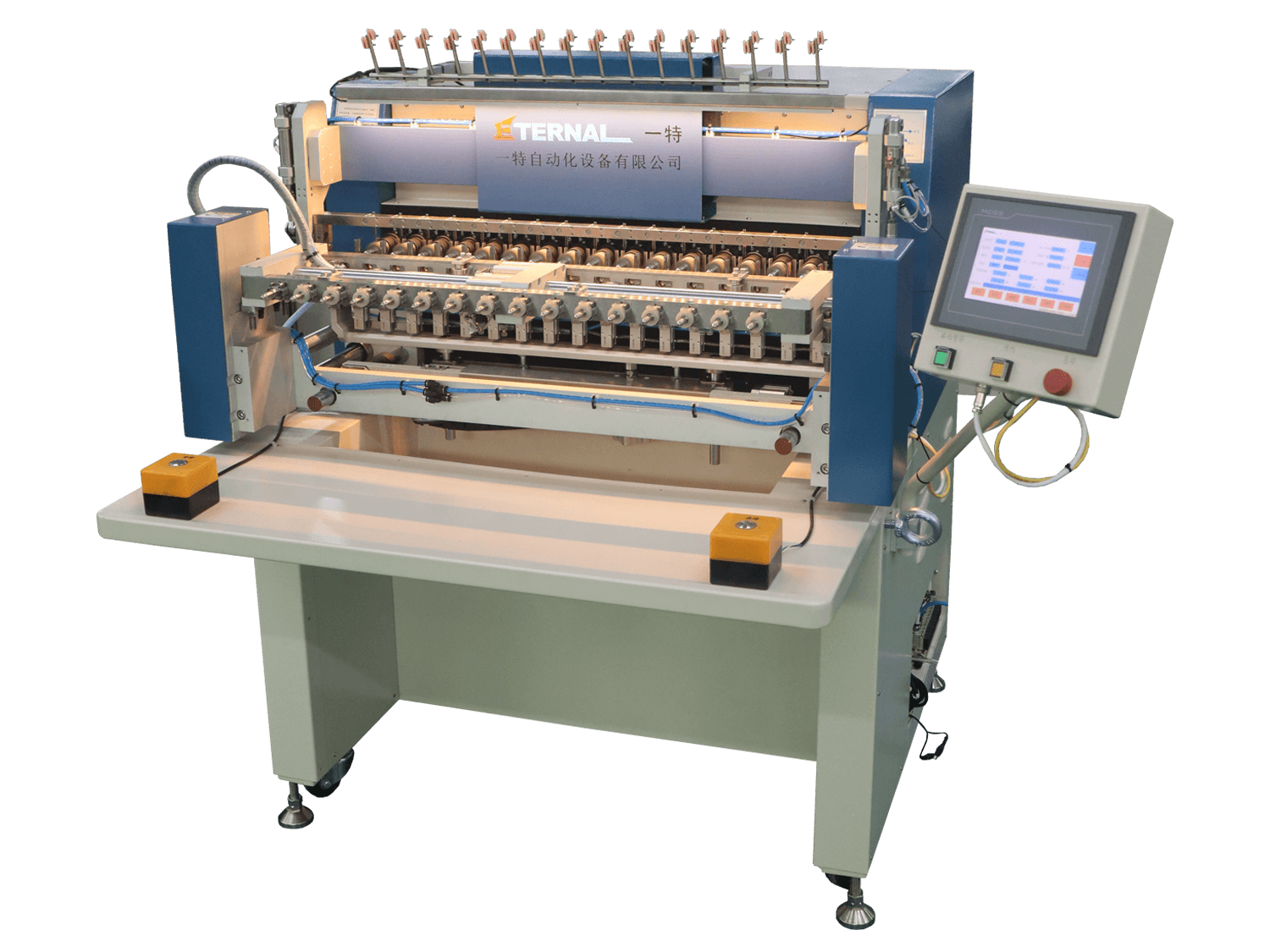
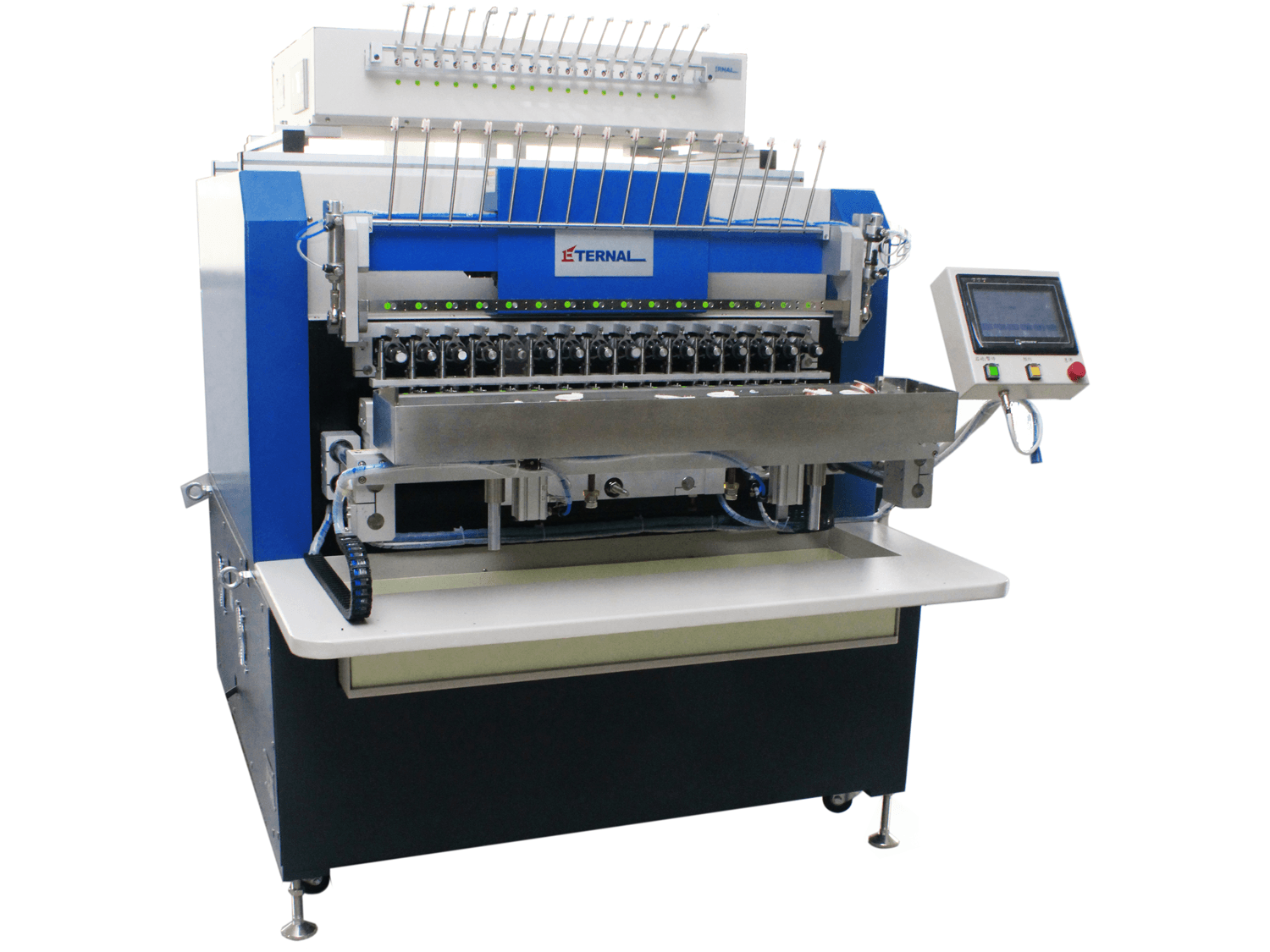
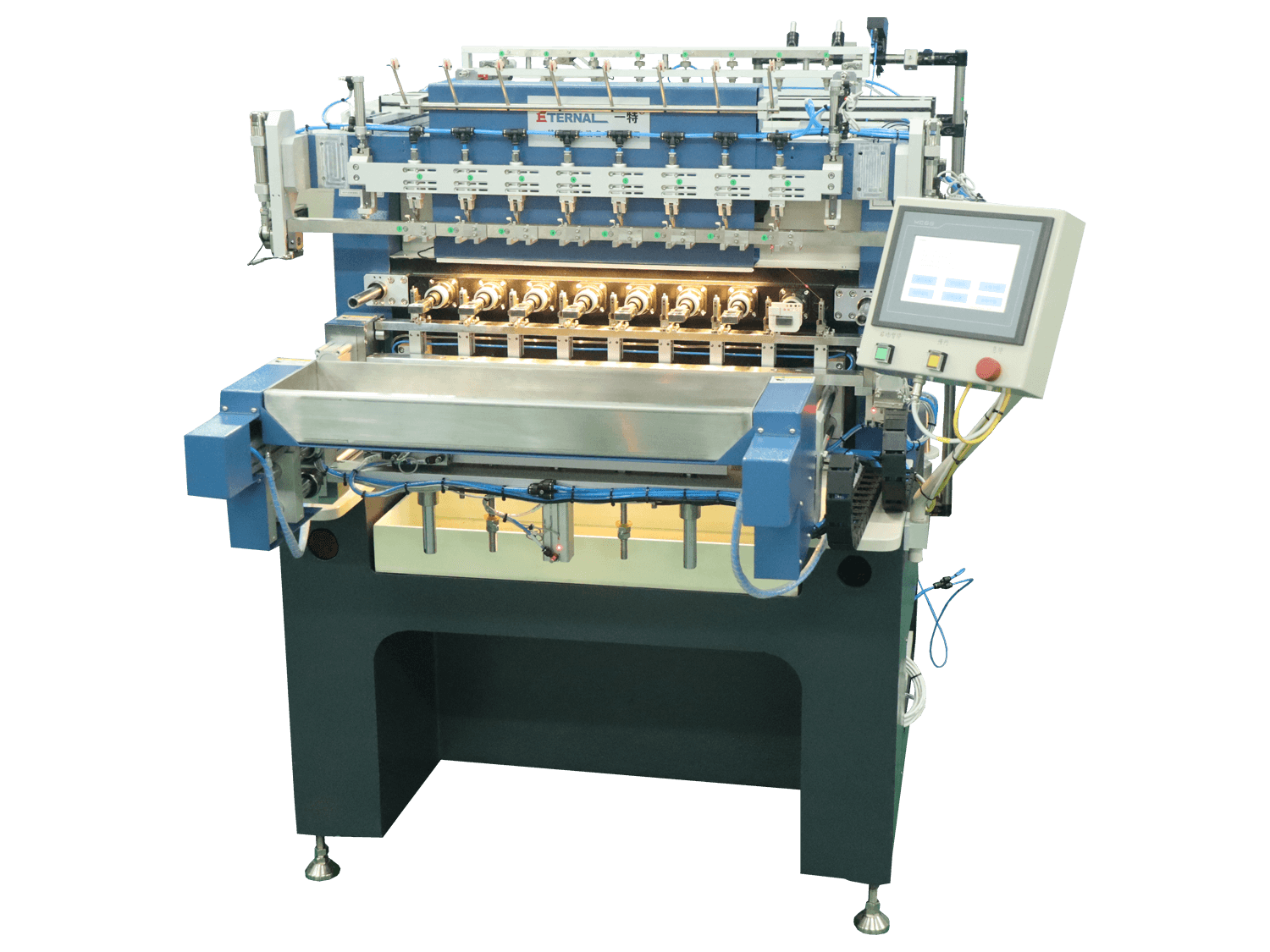
Zhongshan Eternal provides automated production solutions for small PCB-mount relay coils, meeting demands across different voltage classes and contact capacities.
I. Common Winding Types for Relay Coils
Close-packed Single-layer Winding
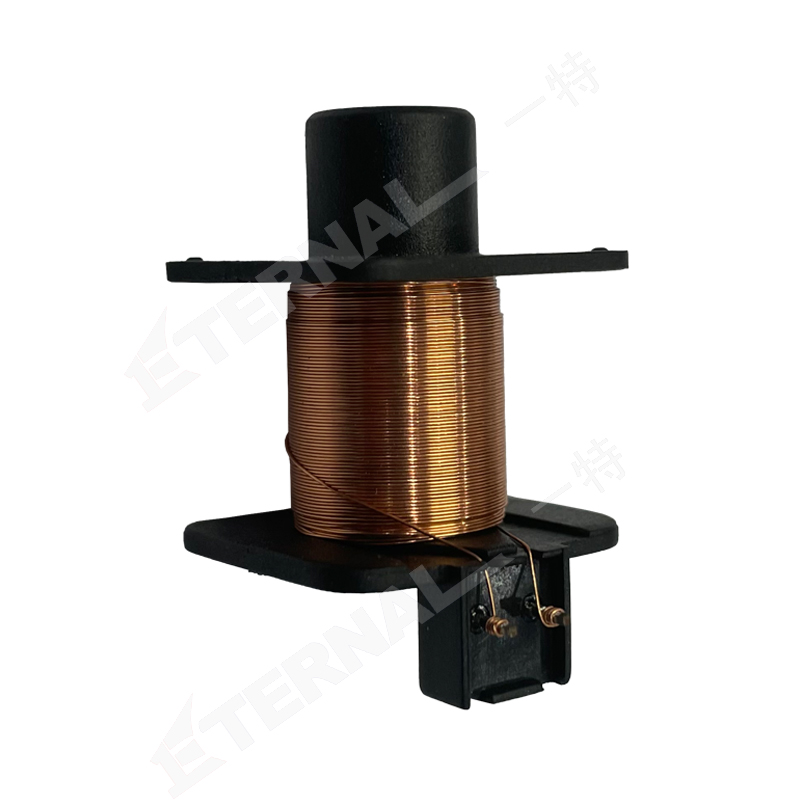
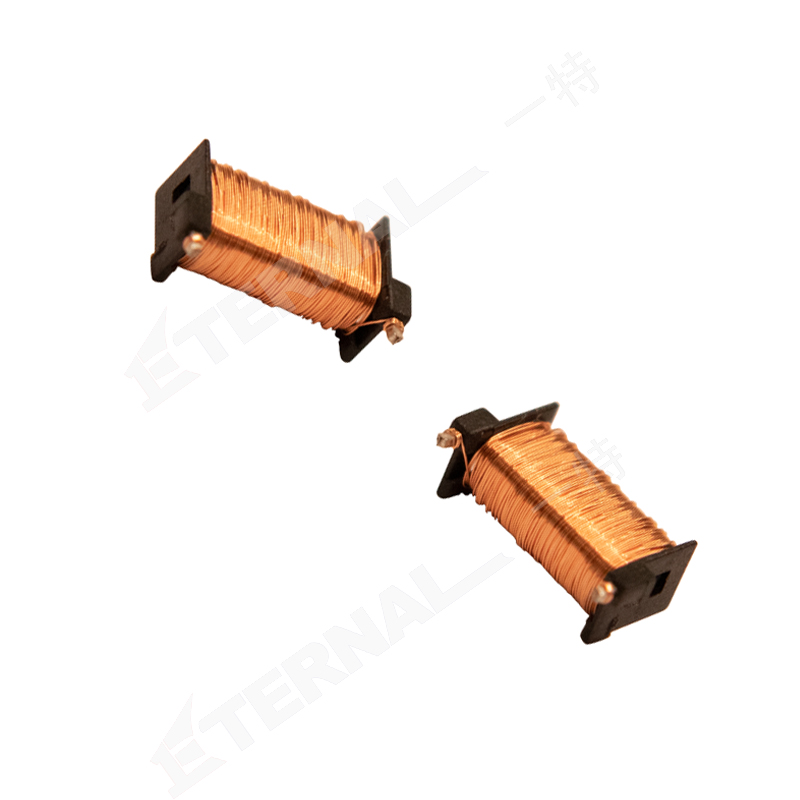
Wound tightly turn by turn on small bobbins, ideal for low-power signal relays (such as smart socket control relays). It requires zero inter-turn overlapping and stable tension to ensure minimal DC resistance error.
Multi-layer Stepped Winding
To meet miniaturization demands, different layers adopt different turn counts or wire gauges in a stepped winding pattern, optimizing pull-in voltage and power consumption. Widely used in energy-saving relays for battery-powered devices.
Tap Winding
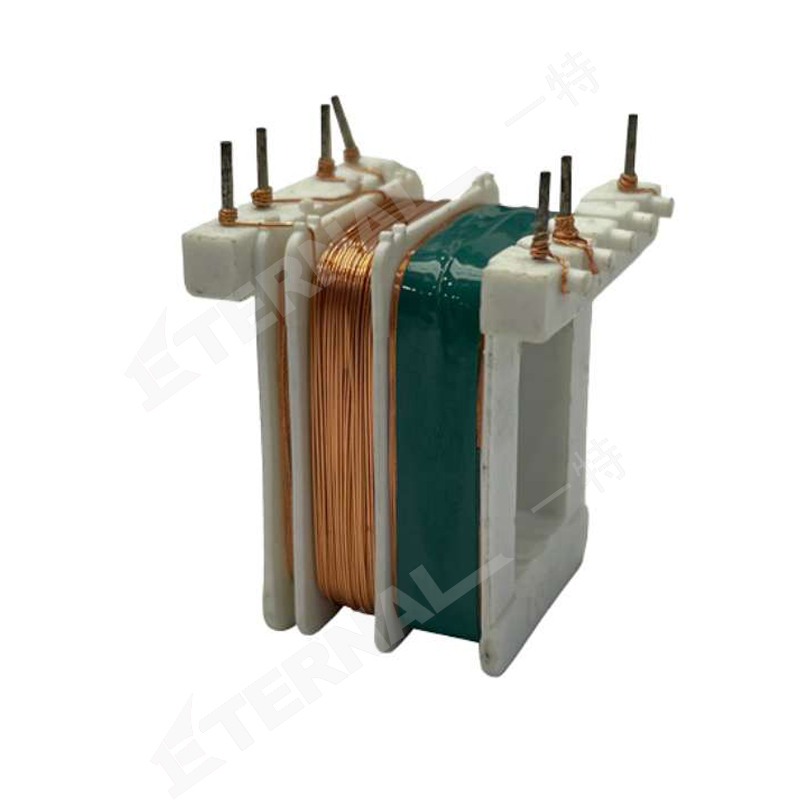
An intermediate tap is led out during the winding process, designed for dual-voltage or bistable relays. The production line must feature automatic tap generation and precise tap position recording functions.
II. Advantages of Automated Relay Coil Production Lines
Superior Resistance Consistency
The operating voltage of a relay coil is strongly correlated with its DC resistance. Automated lines deliver precise turn counting and tension control, keeping batch resistance deviation within a narrow range to prevent relay pull-in failure.
Auto Feeding & Soldering for Full-process Efficiency
Yite lines integrate automatic bobbin feeding, winding, tape wrapping, tap leading and wire cutting, and can be linked with automatic soldering machines to minimize manual handling and boost production yield.
Wide Compatibility with Various Bobbin Shapes
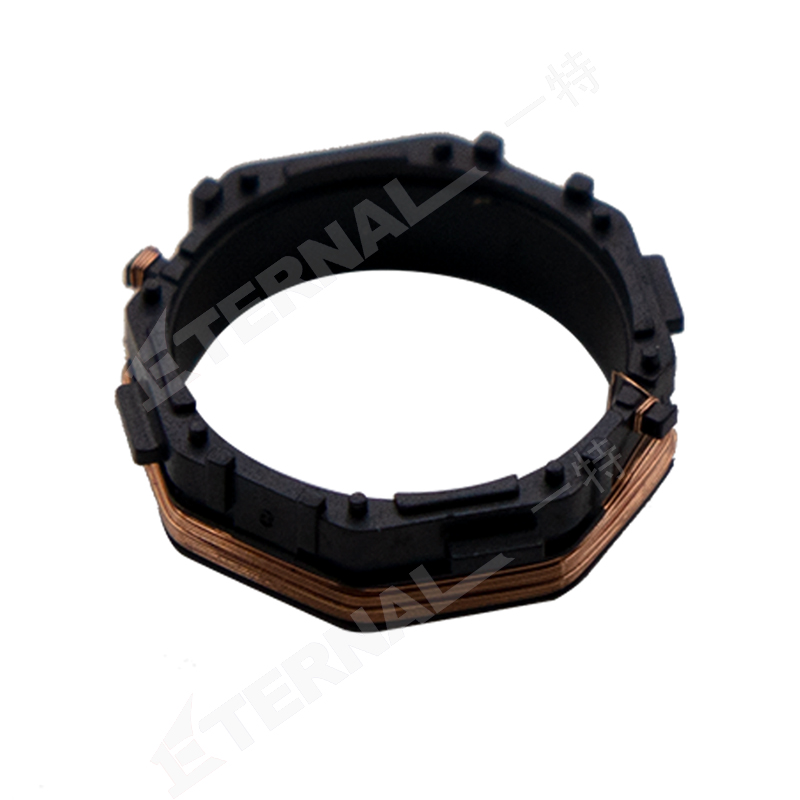
Relay coil bobbins come in round, square and irregular profiles. We provide modular tooling for quick changeover, perfectly meeting multi-variety small-batch production demands.
III. Why Choose Zhongshan Eternal's Relay Coil Production Line?
With over 20 years of winding expertise, Eternal has delivered automated production lines to numerous leading relay manufacturers. Our micro-fine wire processing equipment stably handles ultra-fine wire gauges, equipped with high-sensitivity wire breakage detection and tension memory functions.
For the high-volume characteristics of consumer electronics relays, we offer multi-station models with high daily output to meet mass production requirements. We also assist customers in optimizing coil parameters (turn count, wire gauge, layer count) to achieve rated pull-in force with minimum power consumption. We provide free process commissioning training and rapid after-sales response.