I. Common Sensor Coil Winding Types
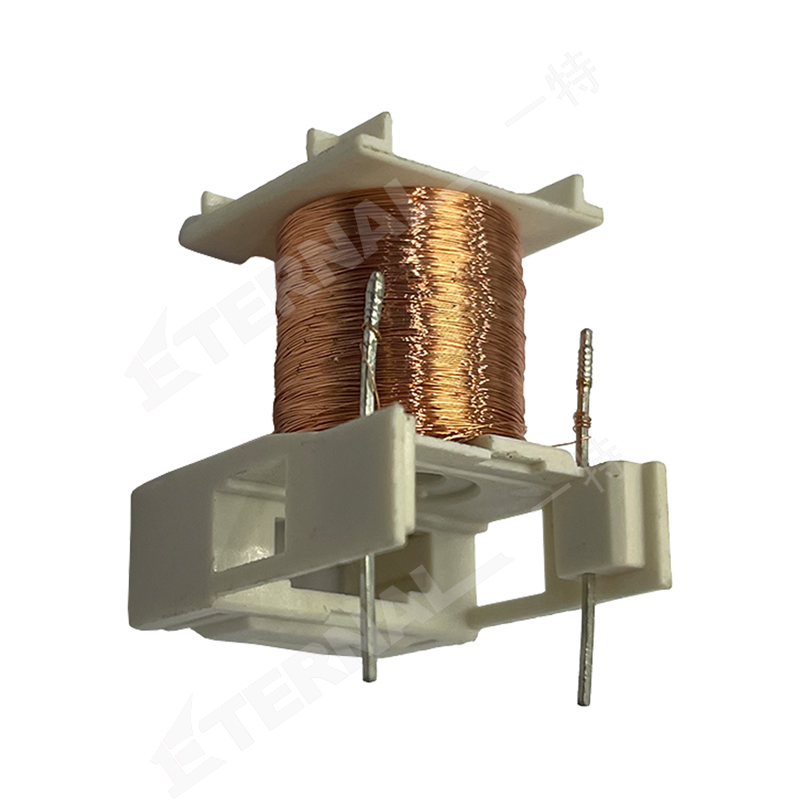
01. Air-Core Solenoid Winding
With no magnetic core, the coil relies on changes in its own magnetic field to detect the proximity of metal objects. This structure is used in some inductive proximity sensors, such as transmission gear-position detection.
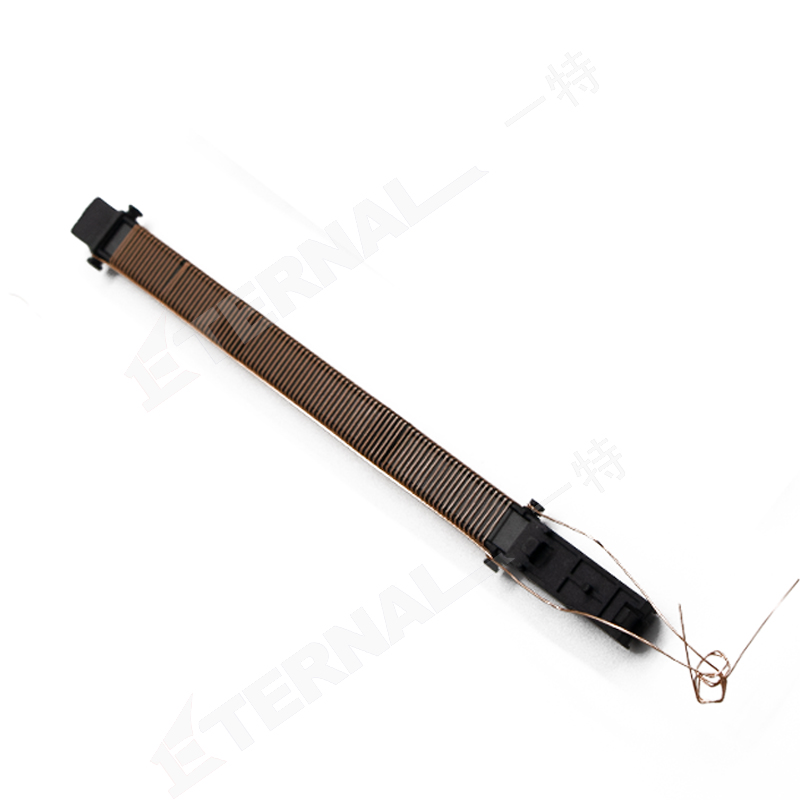
The winding must remain secure without loosening, with uniform spacing between turns to ensure consistent detection sensitivity.
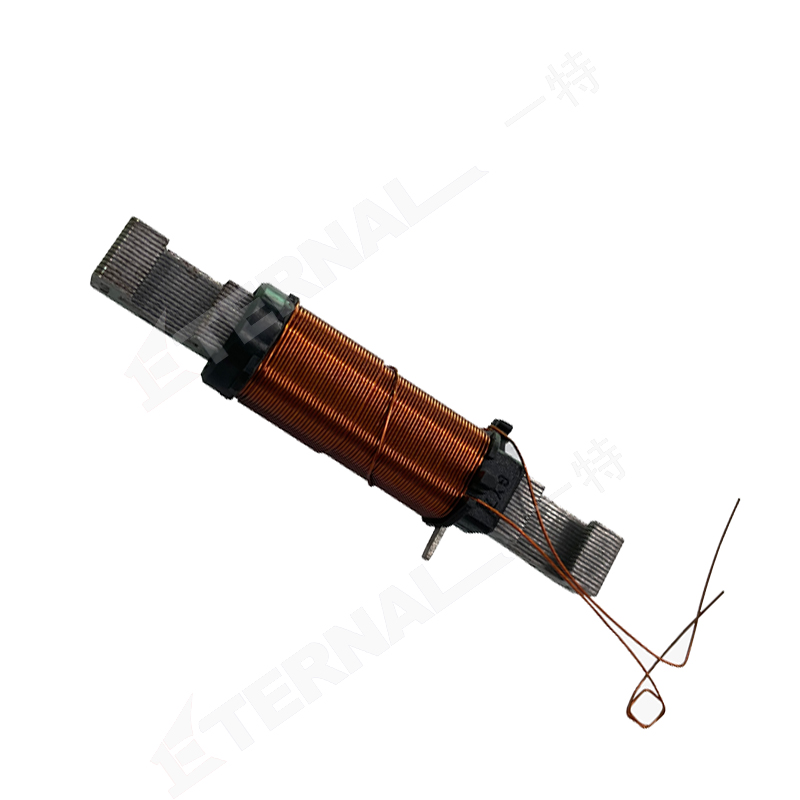
02. Magnetic-Core Winding
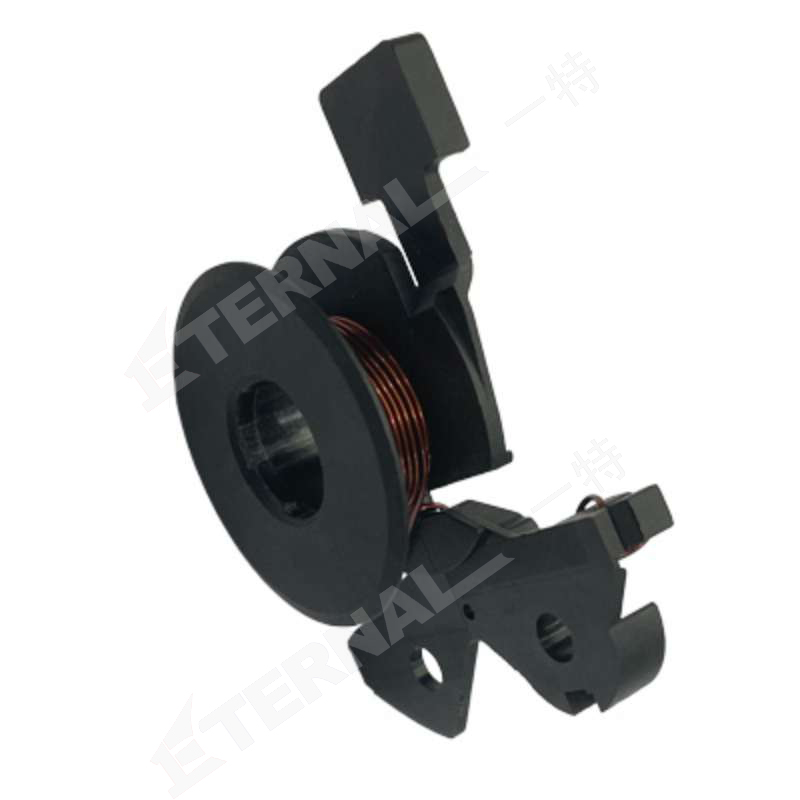
Enameled wire is tightly wound around a magnetic core to significantly enhance sensing sensitivity. This structure is commonly used in wheel speed sensors and crankshaft position sensors.
The wire turns must remain closely fitted to the magnetic core without gaps, minimizing magnetic circuit losses and ensuring stable sensing performance.
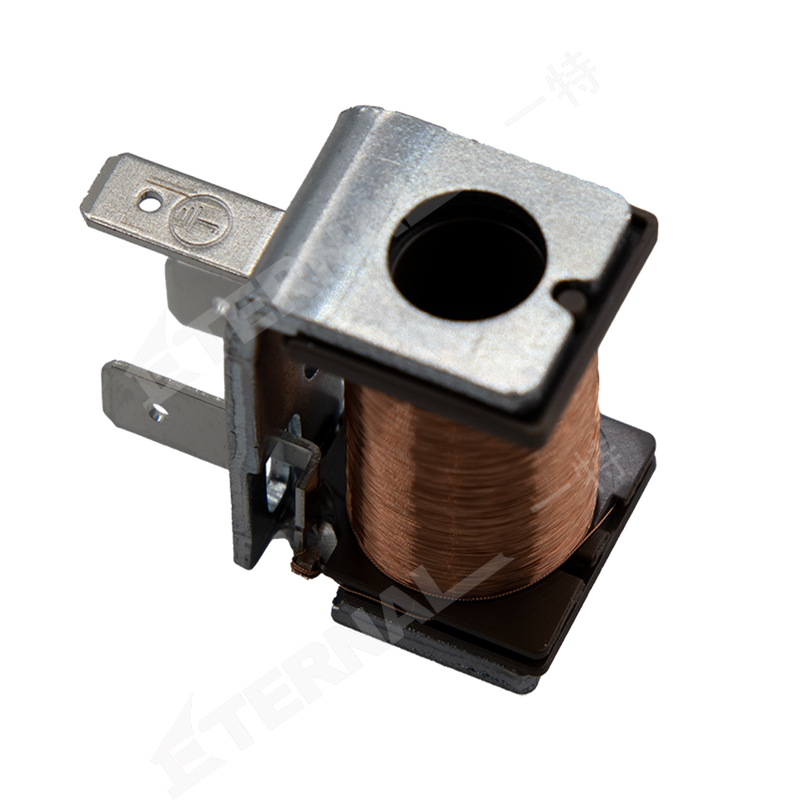
03. Dual-Winding Differential Winding
Two independent coils are wound on the same magnetic core and connected in opposite series polarity to generate a differential output signal, effectively suppressing common-mode interference.
This structure is suitable for high-precision angle sensors, such as electronic accelerator pedal sensors. The production line must support tap extraction and independent turn counting for each winding.
II. Advantages of Using an Automated Production Line for Sensor Coil Manufacturing
01. High Inductance Accuracy for Reliable Detection Thresholds
Variations in coil inductance can directly cause shifts in the sensor switching point.
Through precise turn-count control and stable winding tension, Eternal's automated production lines maintain inductance within a tightly controlled tolerance range, ensuring reliable triggering at the specified sensing distance.
02. Stable Ultra-Fine Wire Winding with Reduced Wire Breakage
Automotive sensor coils often use extremely fine wire, which can easily break or become damaged during manual winding.
Yite's automated production lines are equipped with low-inertia tension control mechanisms and real-time wire-break detection, enabling long-term stable production with low wire-breakage rates and high finished-product yield.
03. Integrated Adhesive Fixing and In-Line Testing
After winding, adhesive can be automatically dispensed to secure the wire turns and prevent inductance changes caused by vibration.
The production line can also integrate inductance and resistance testing, automatically rejecting out-of-specification products to support IATF 16949 quality management requirements.
III. Why Choose Zhongshan Eternal Automation Co., Ltd. for Sensor Coil Production Lines?
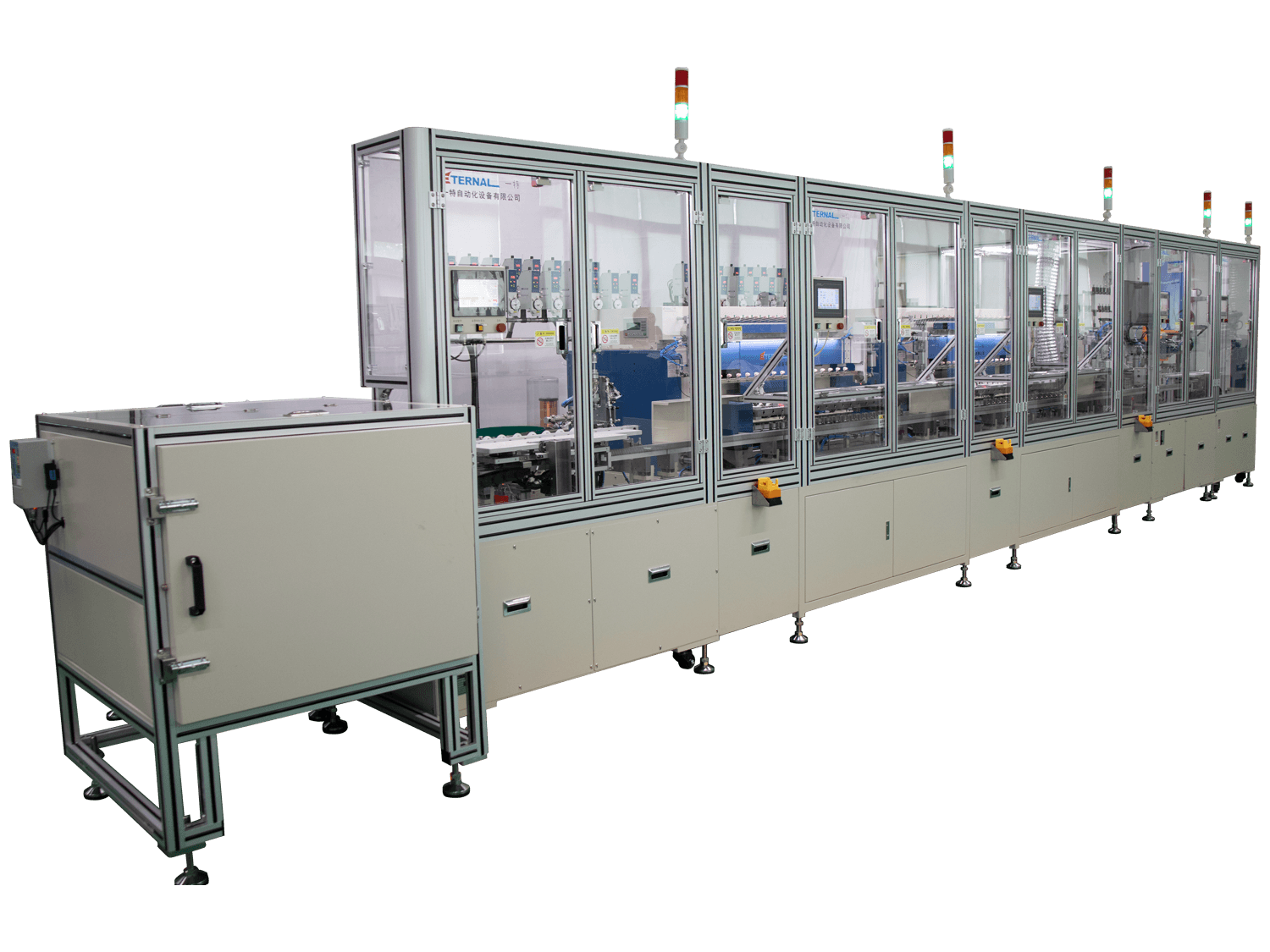
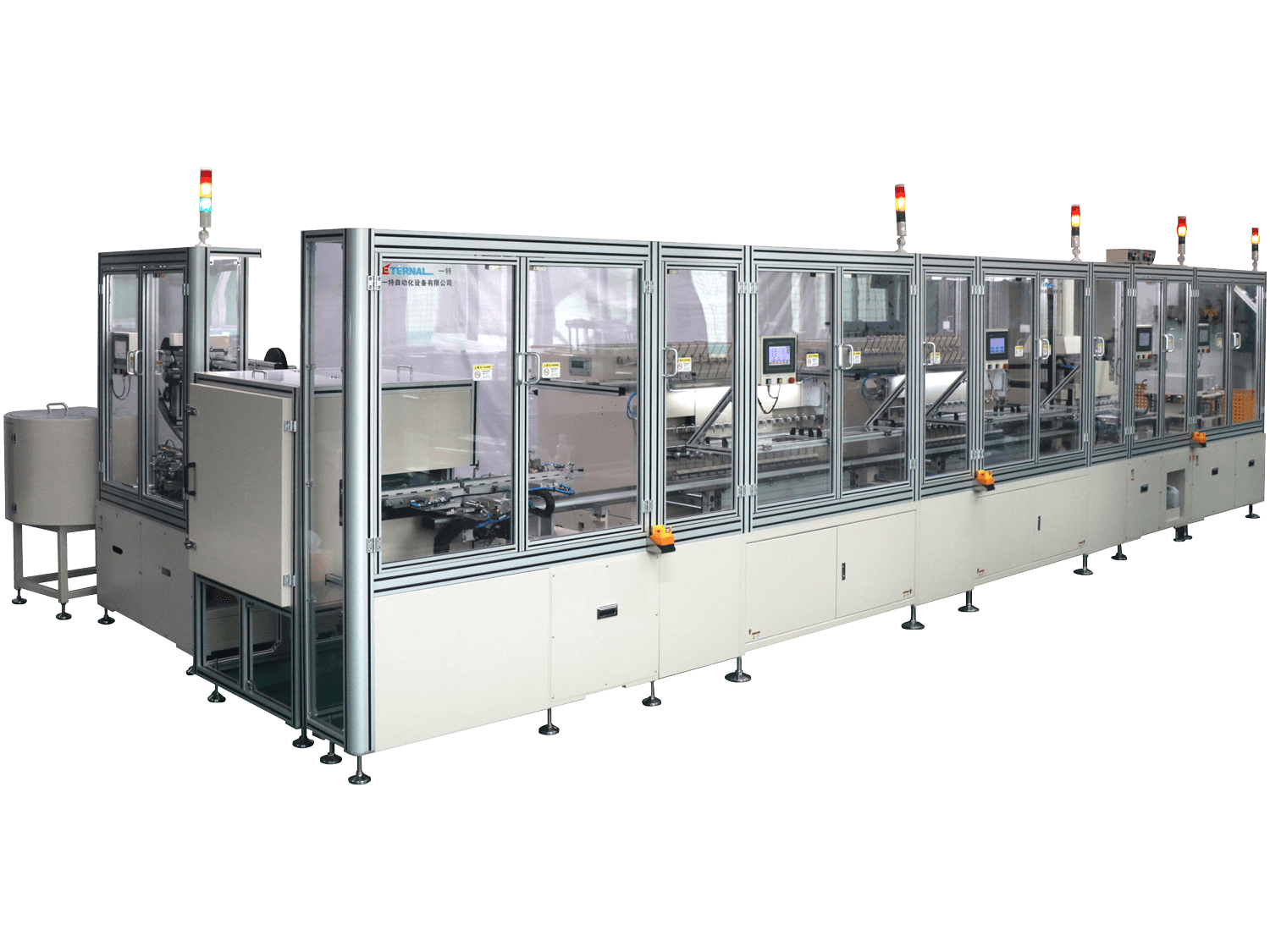
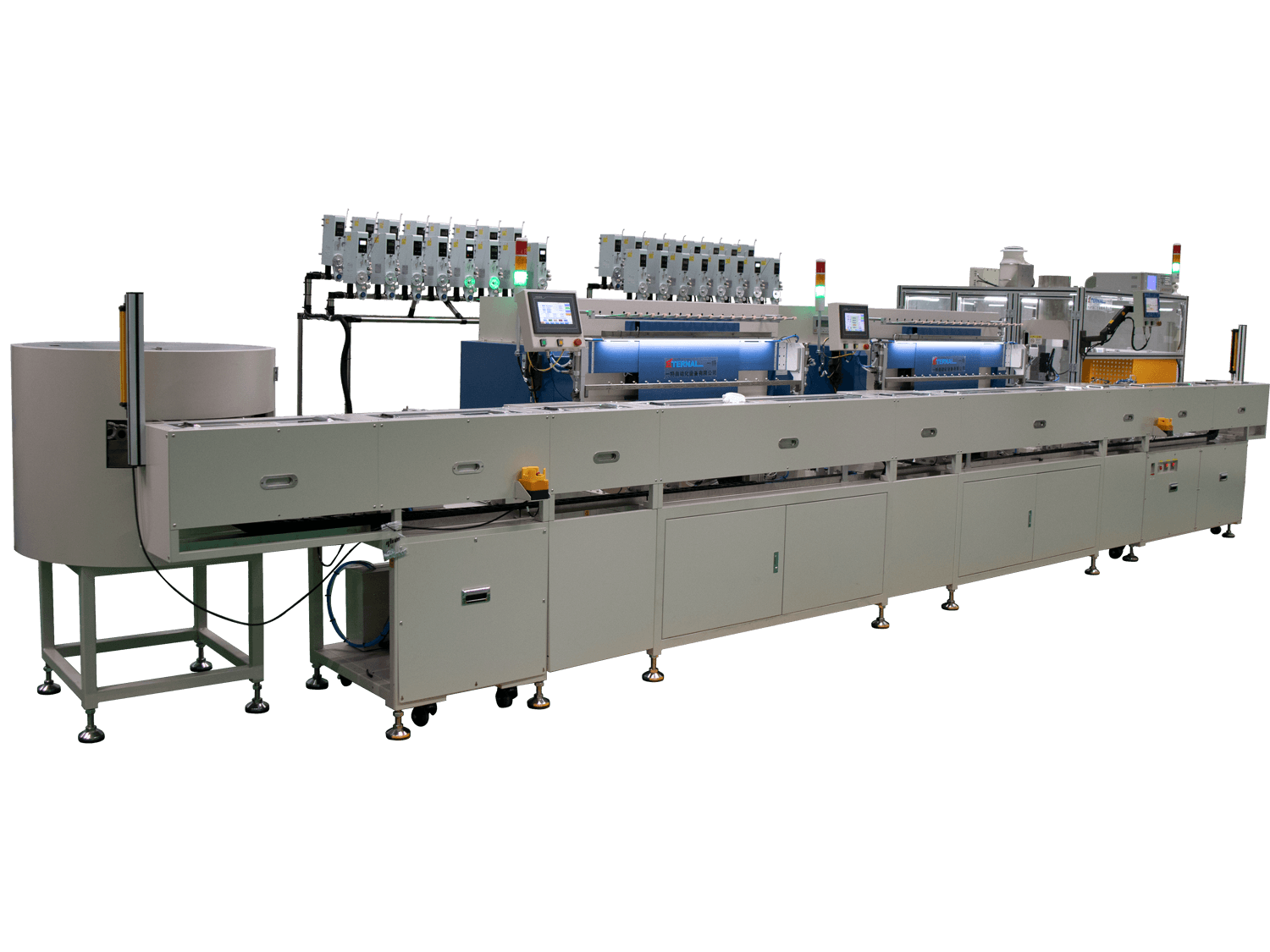
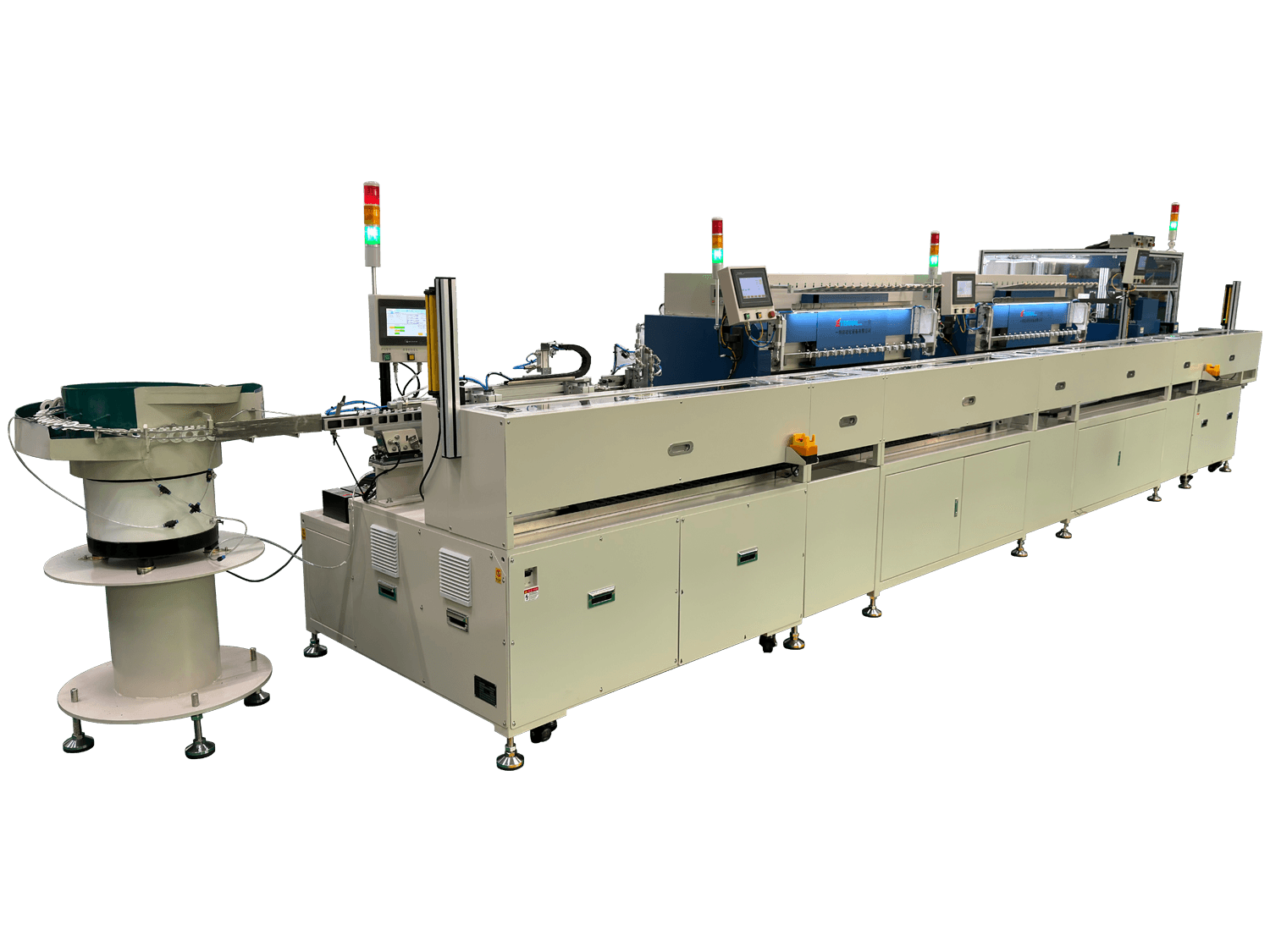
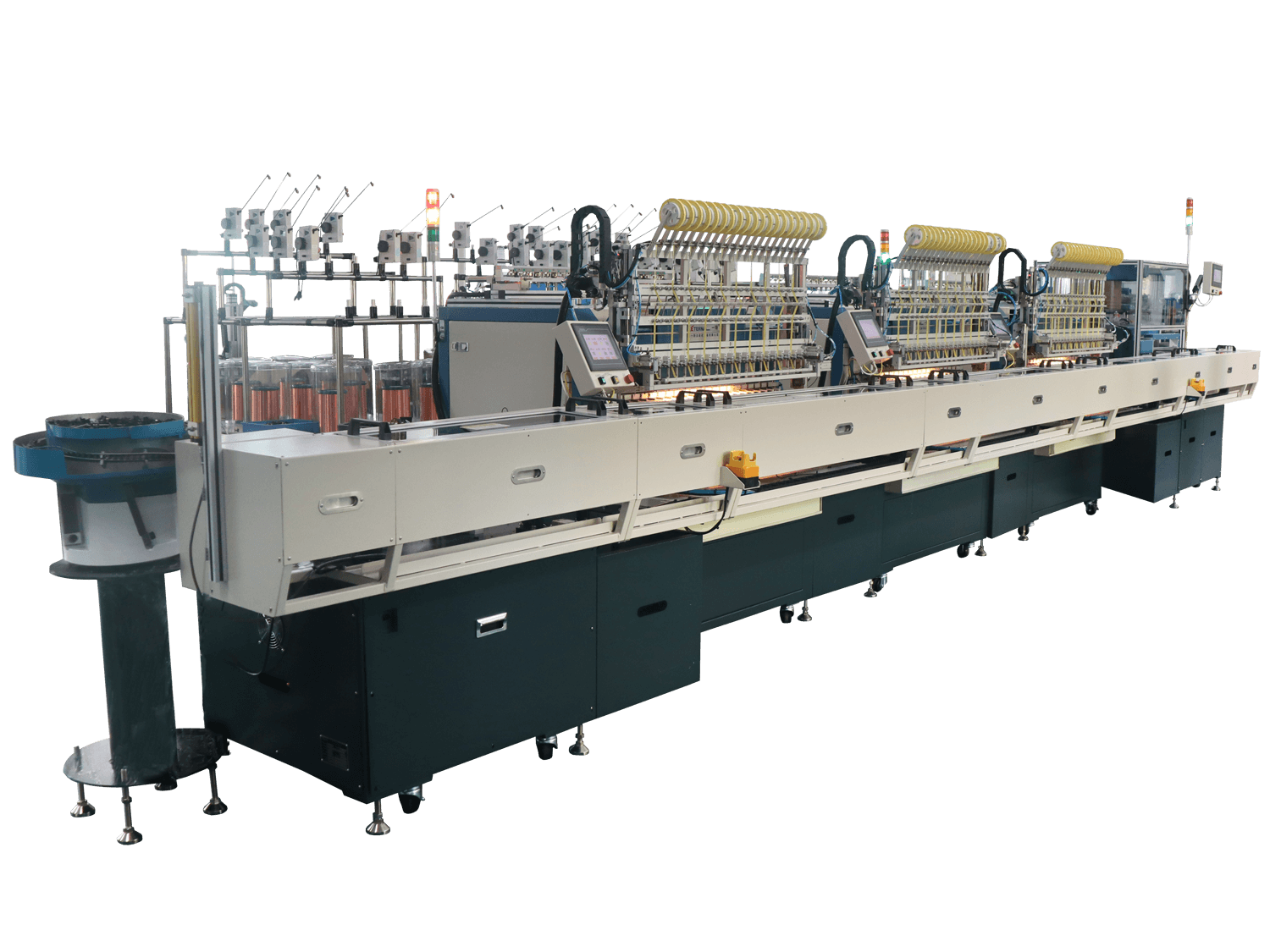
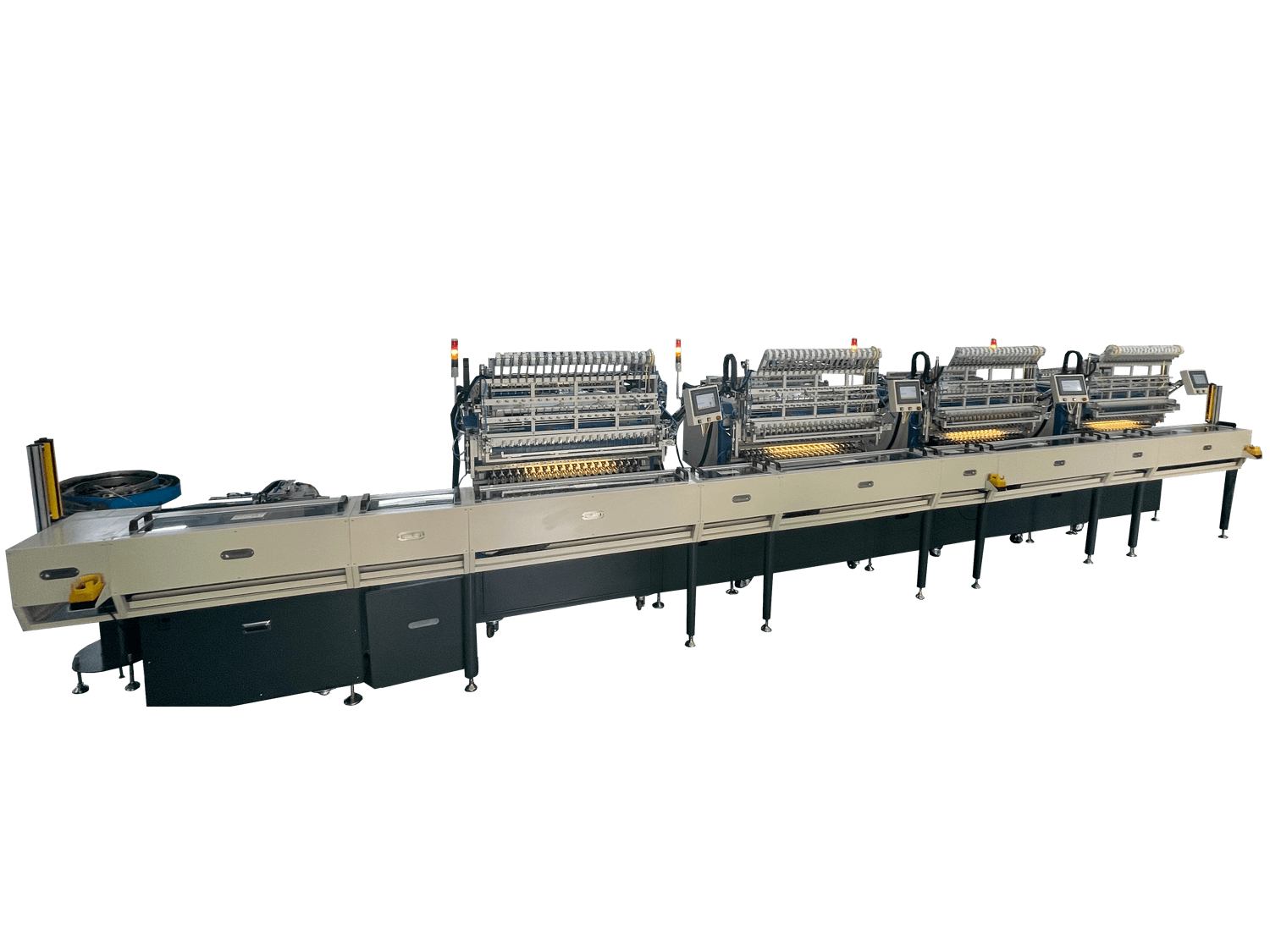
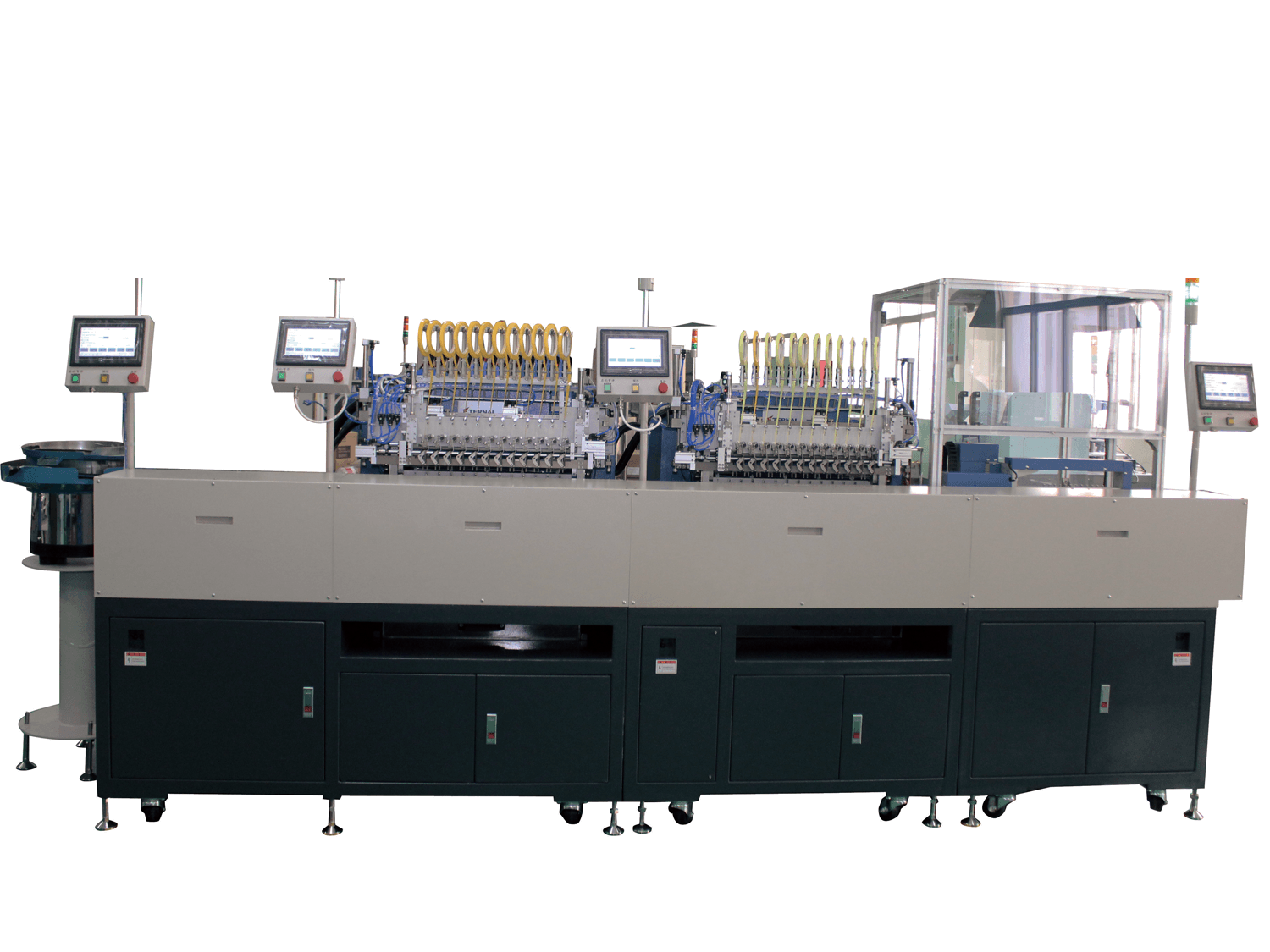
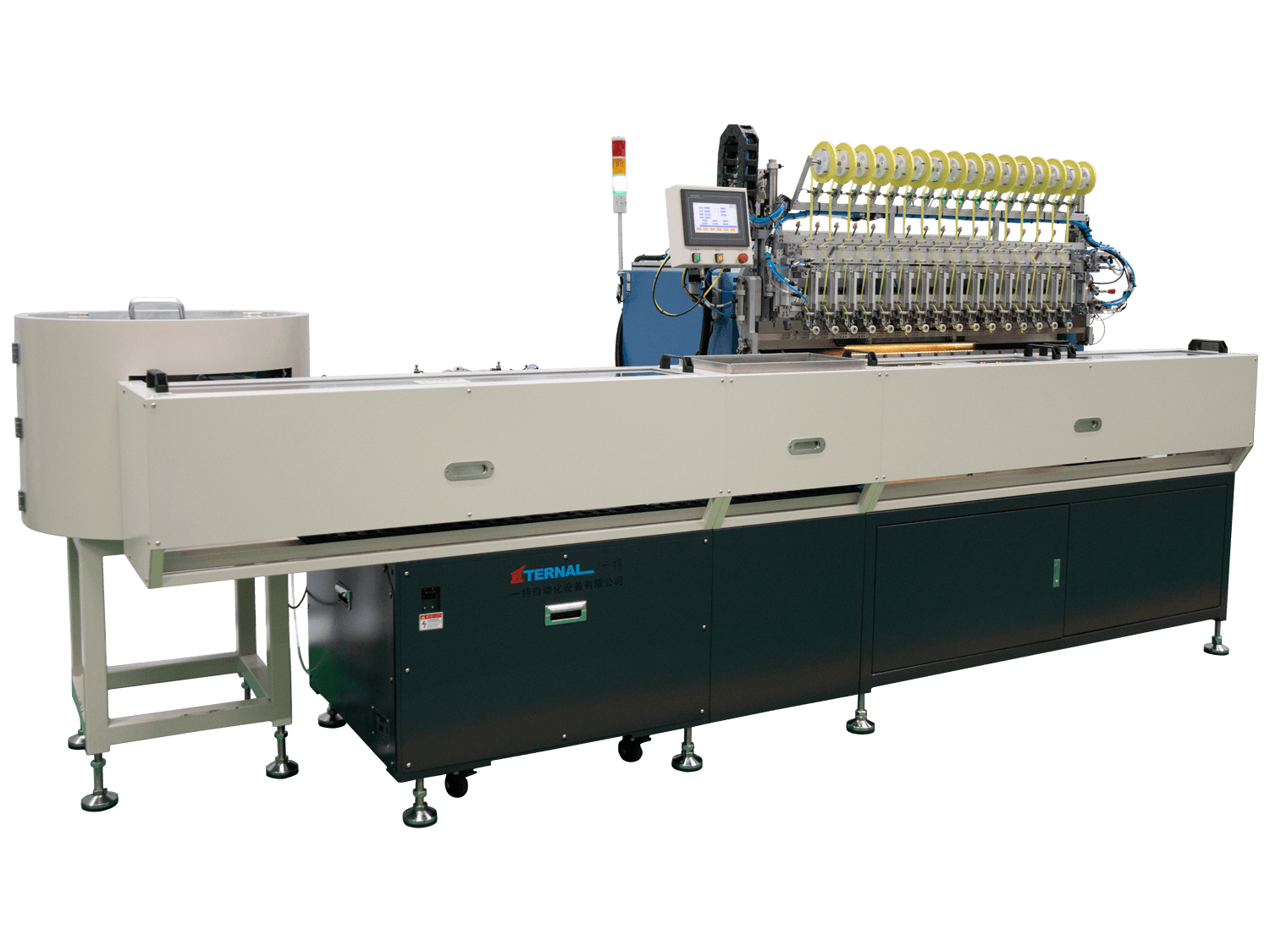
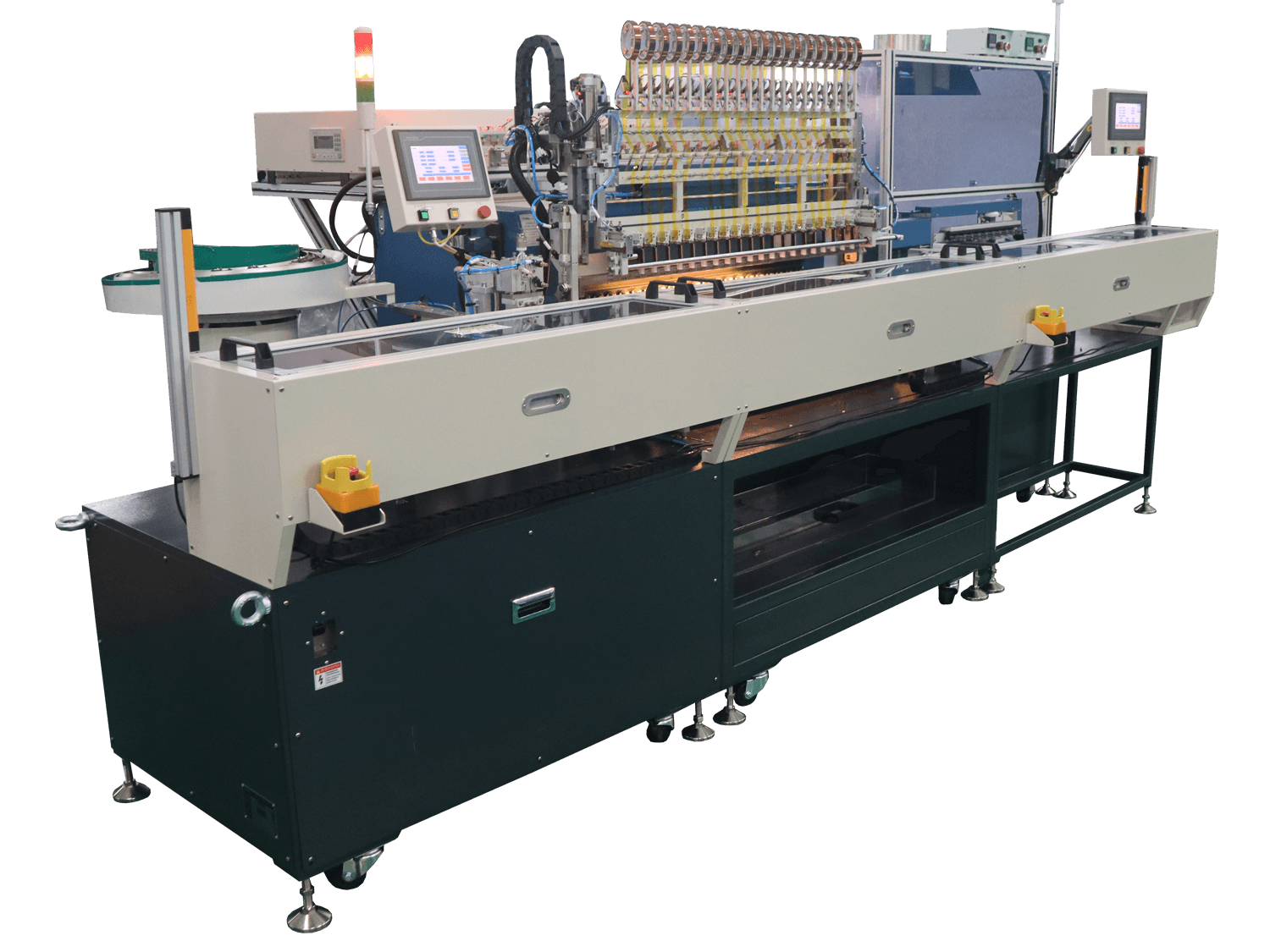
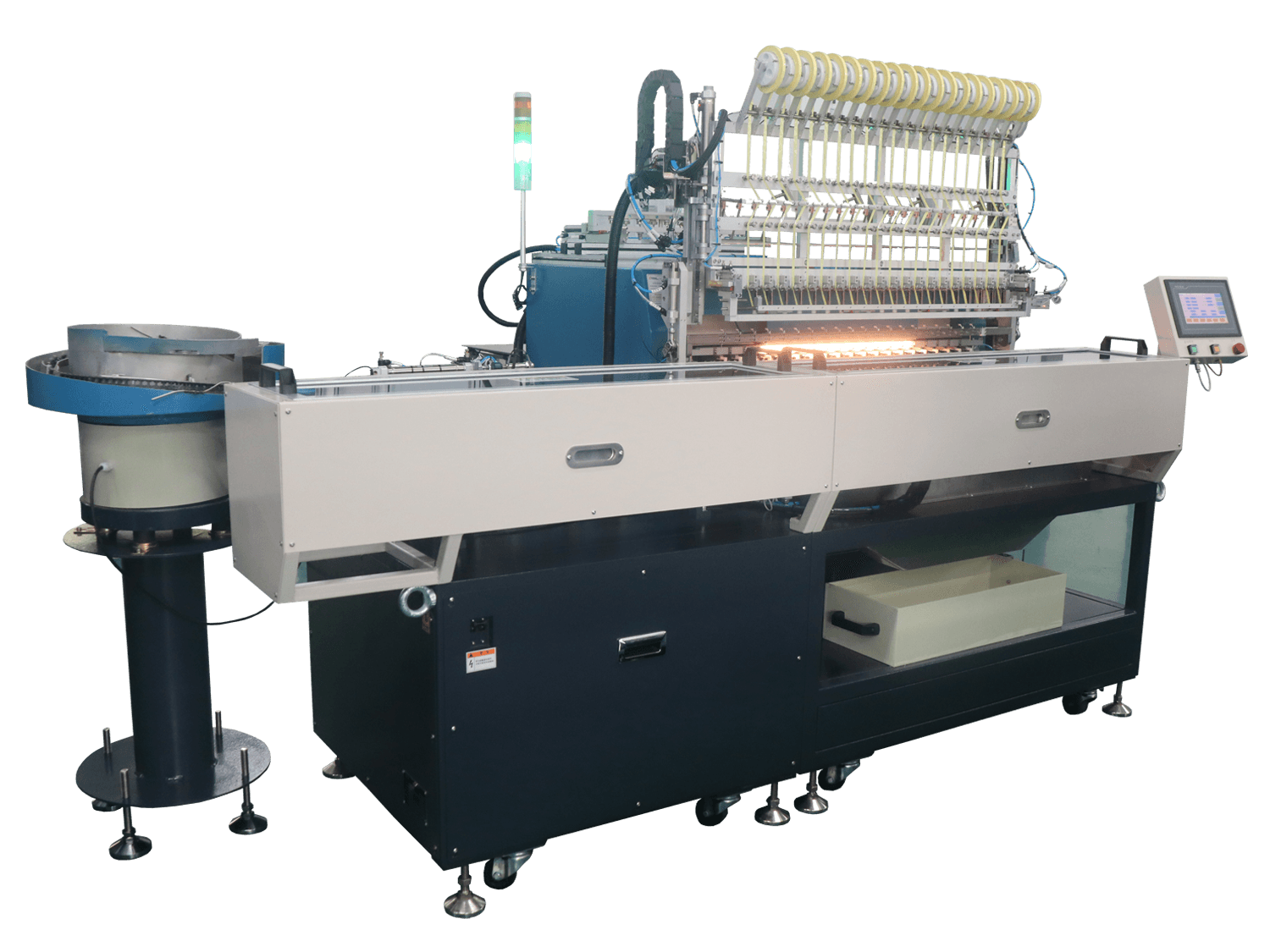
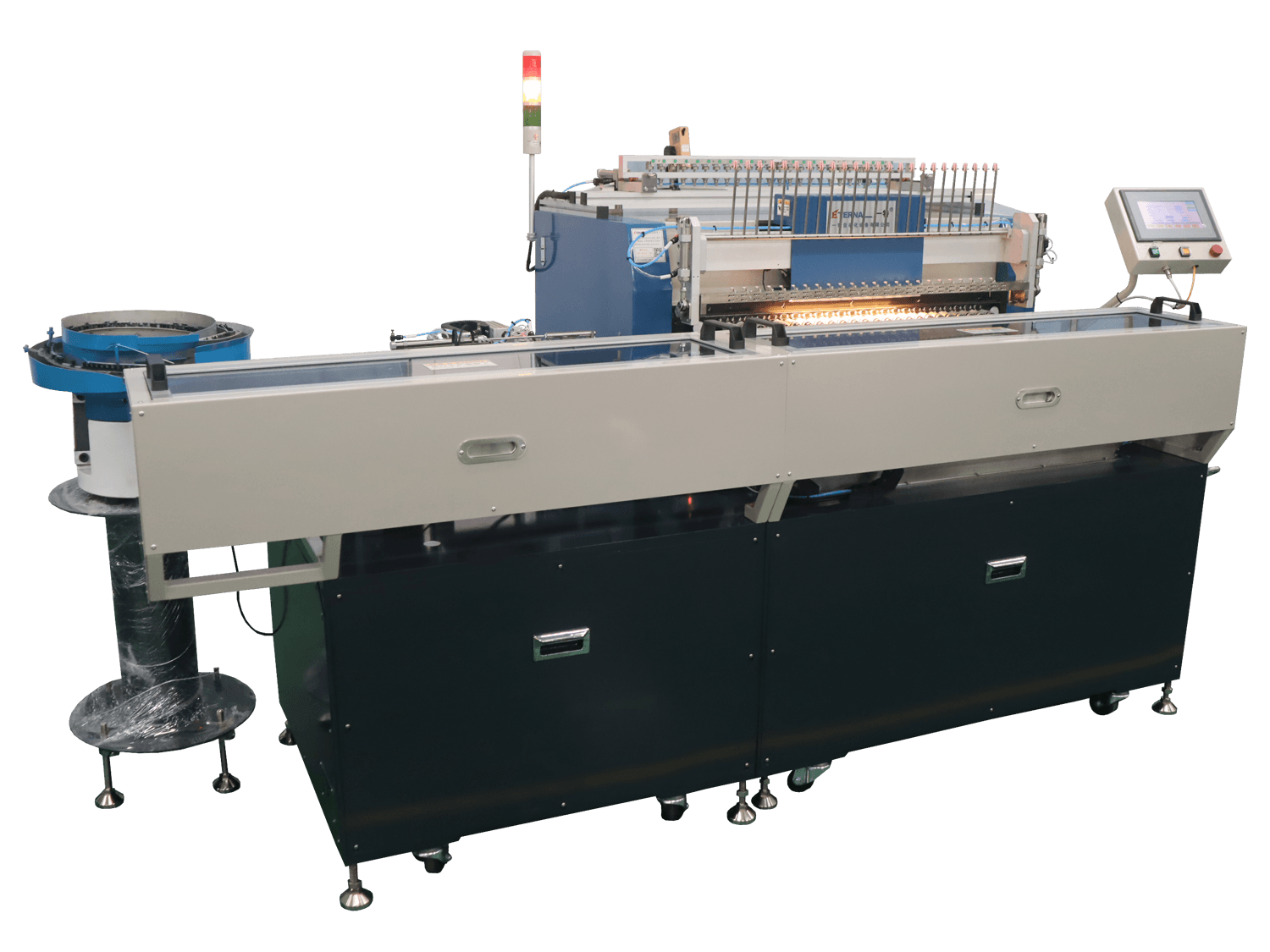
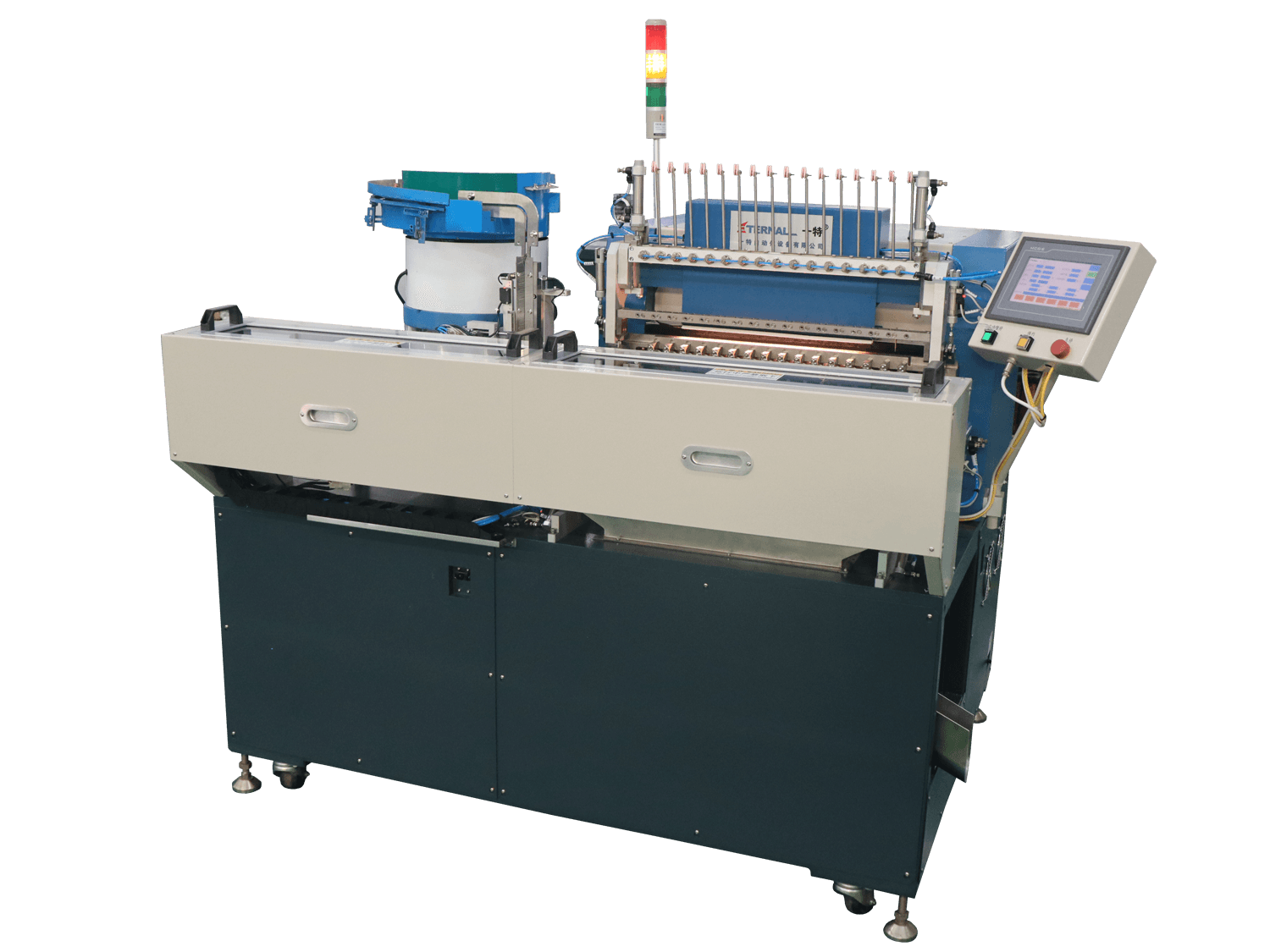
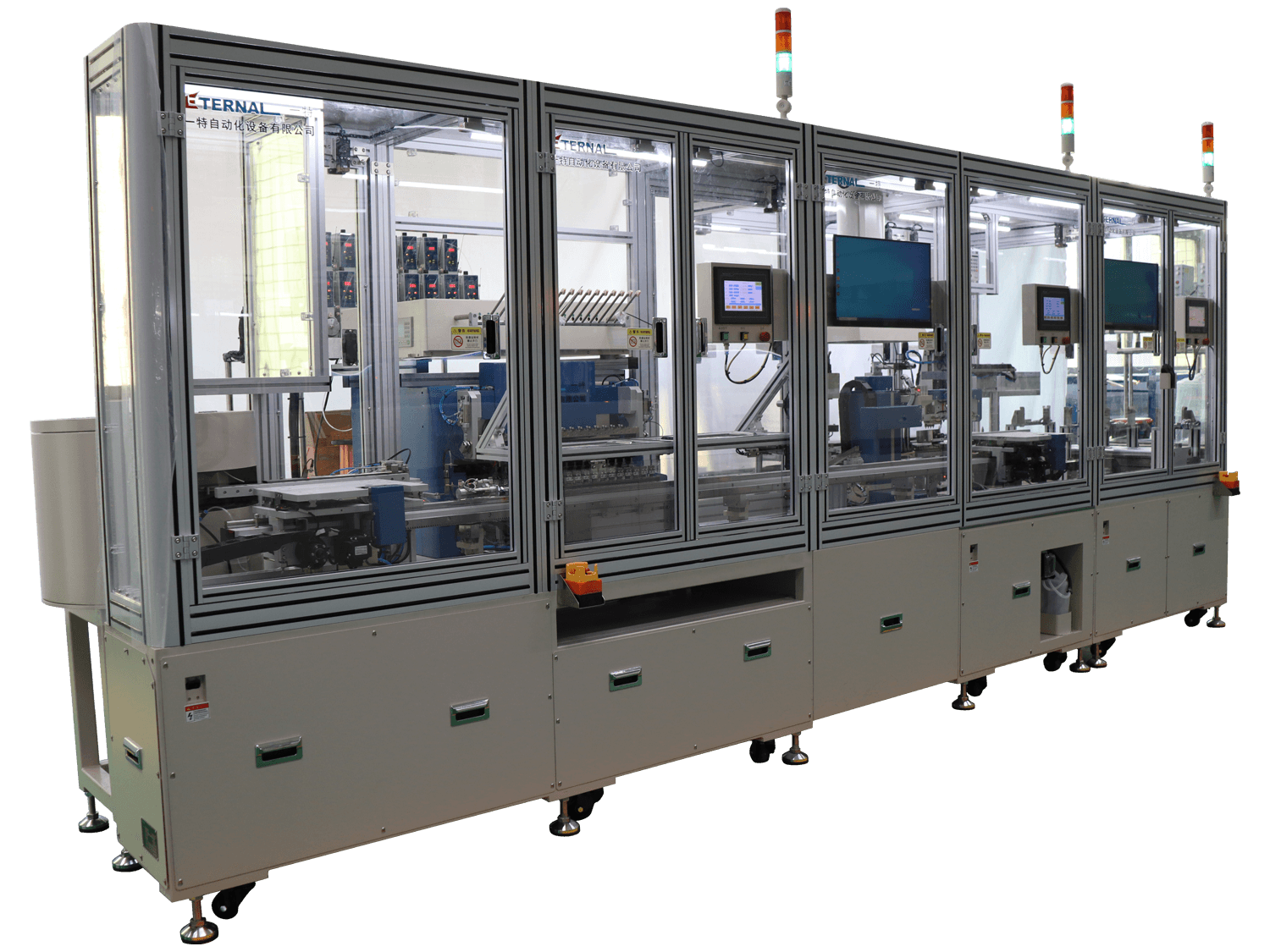
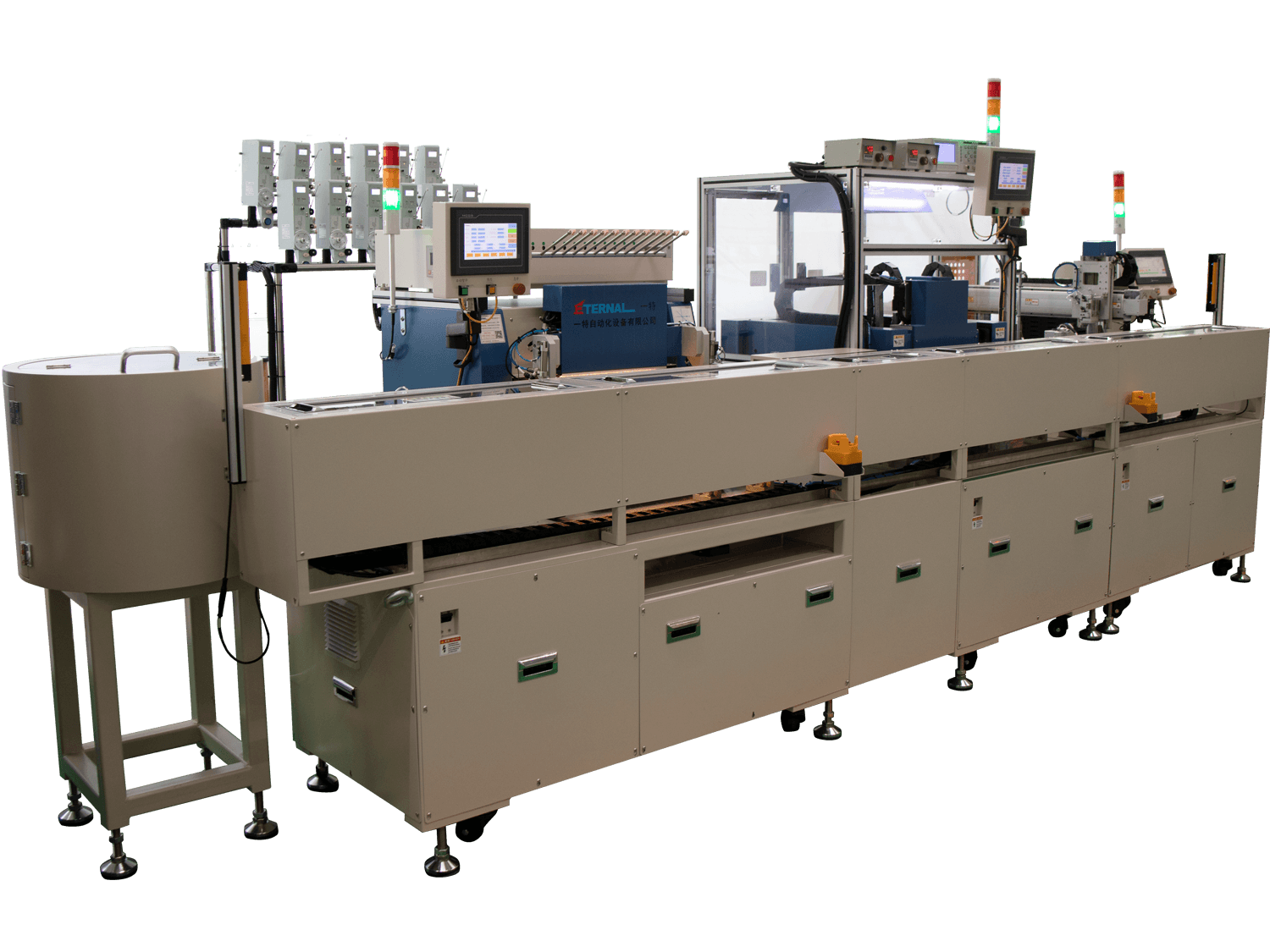
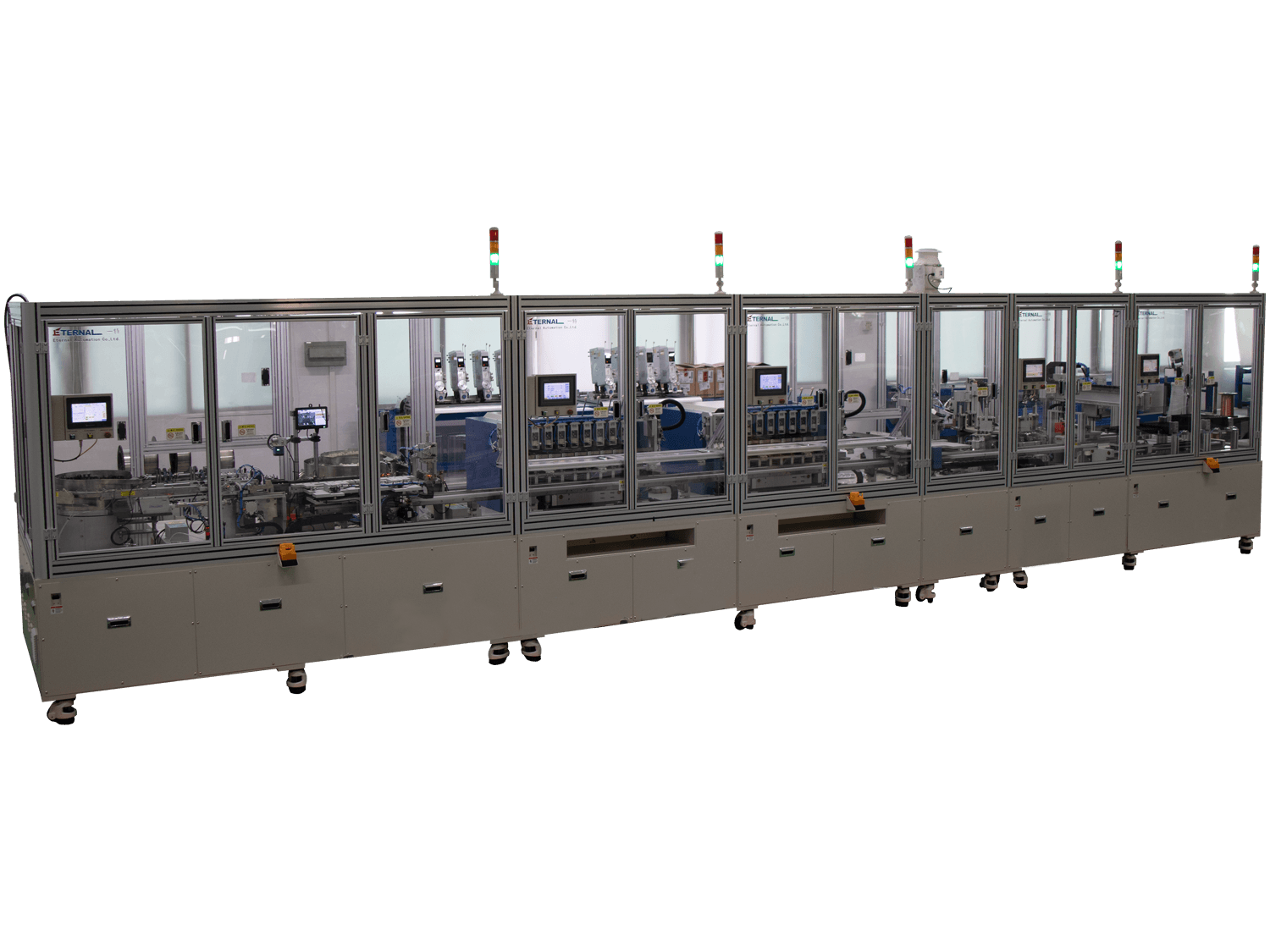
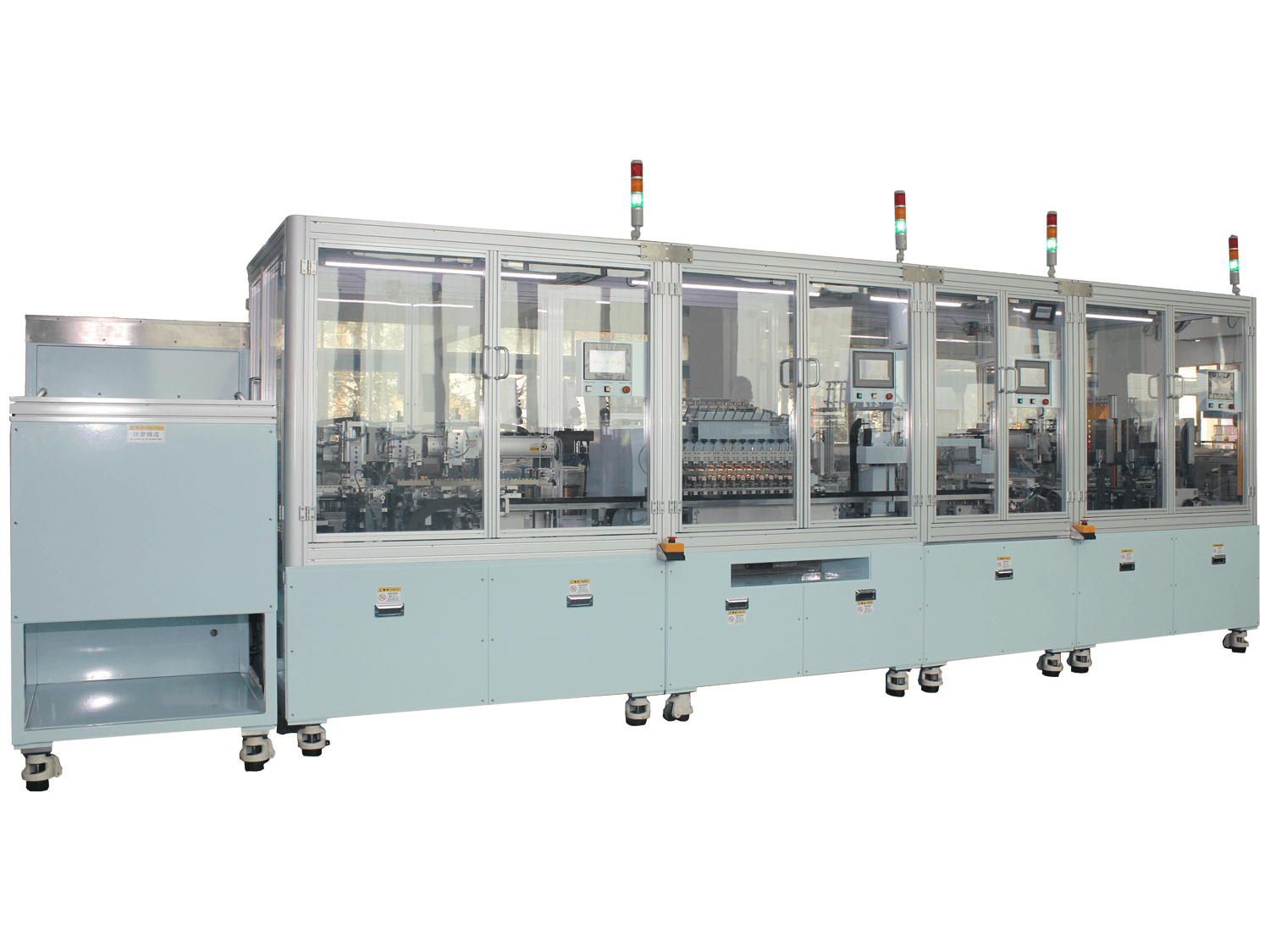
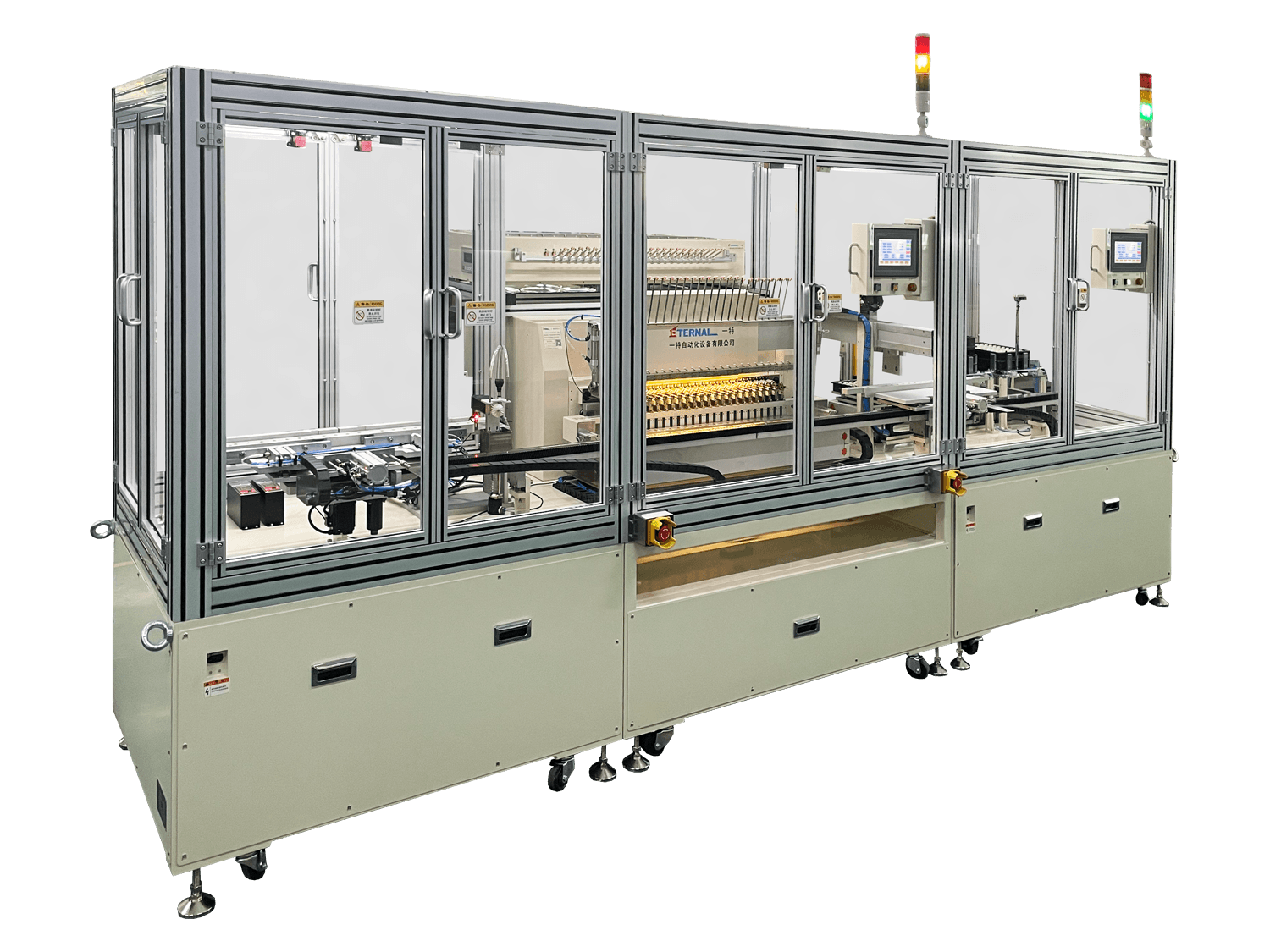
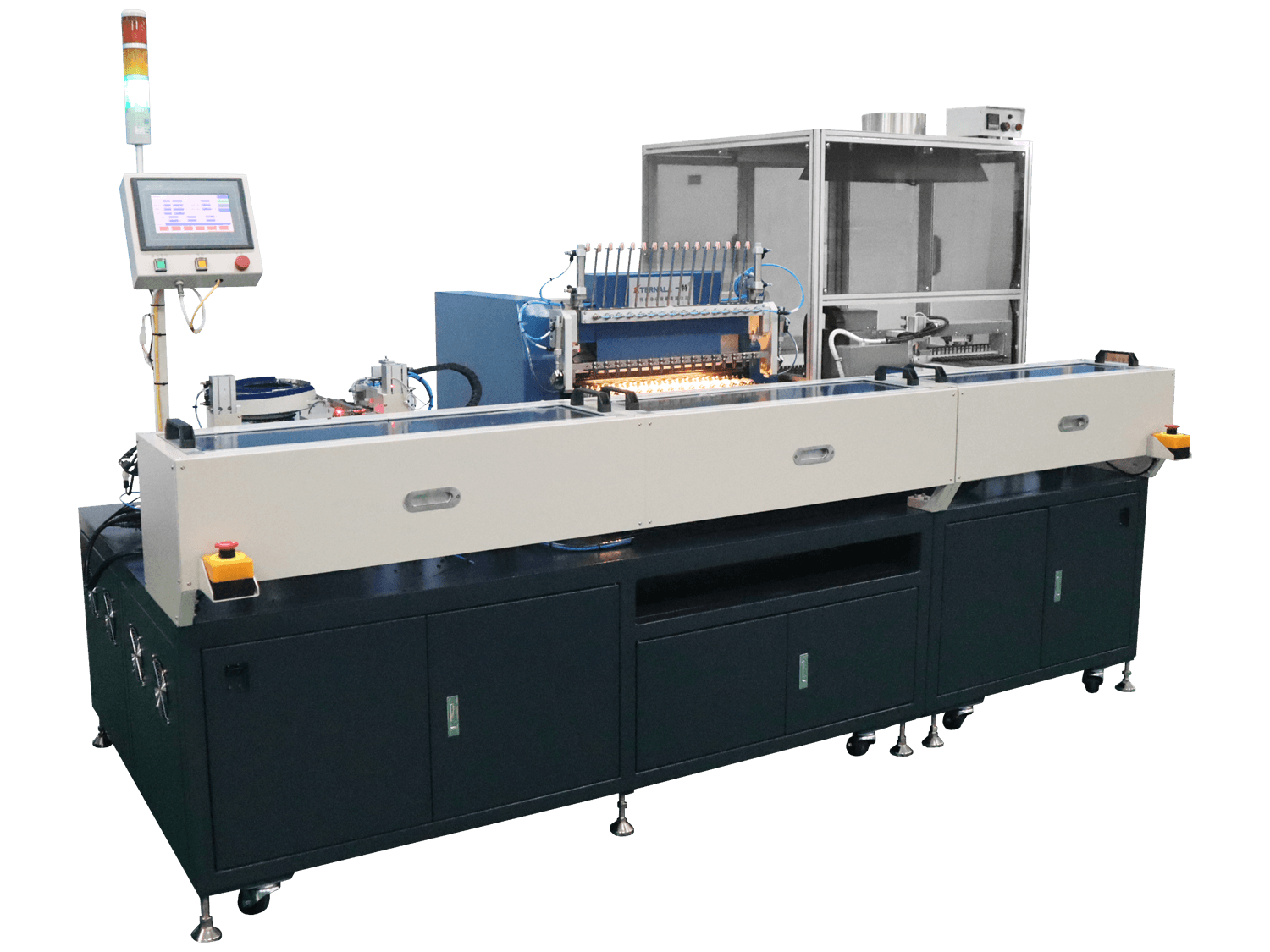
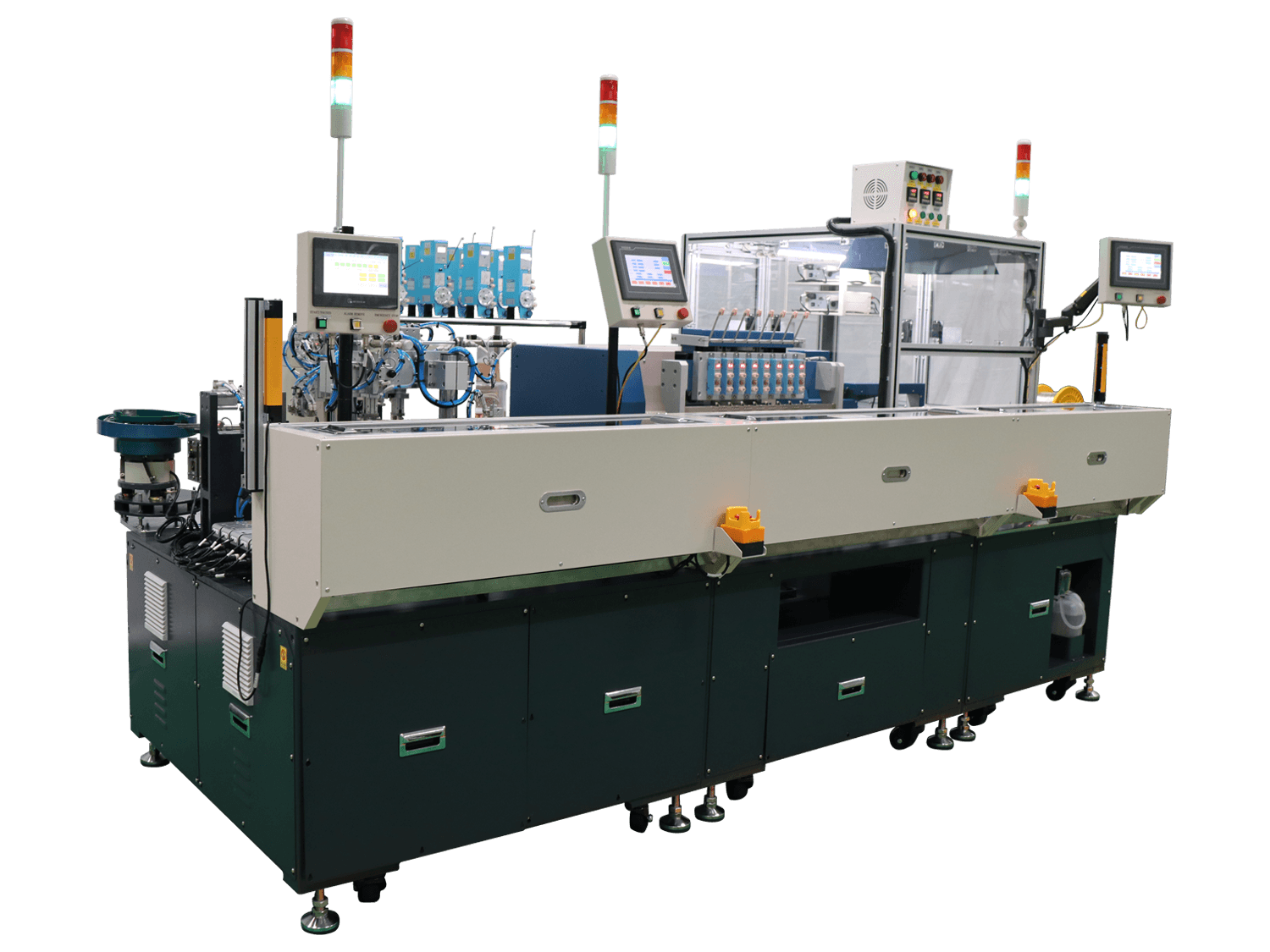
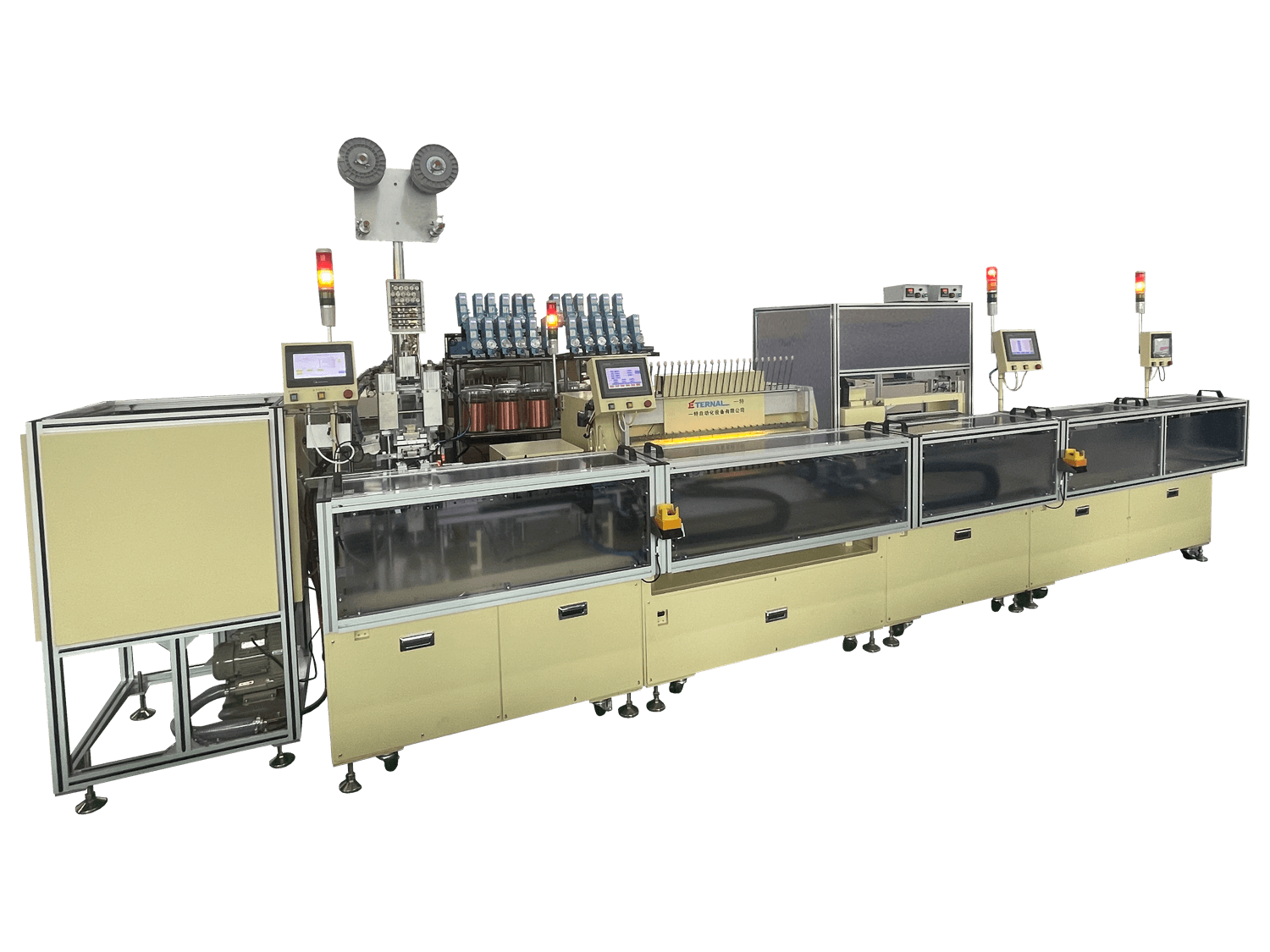
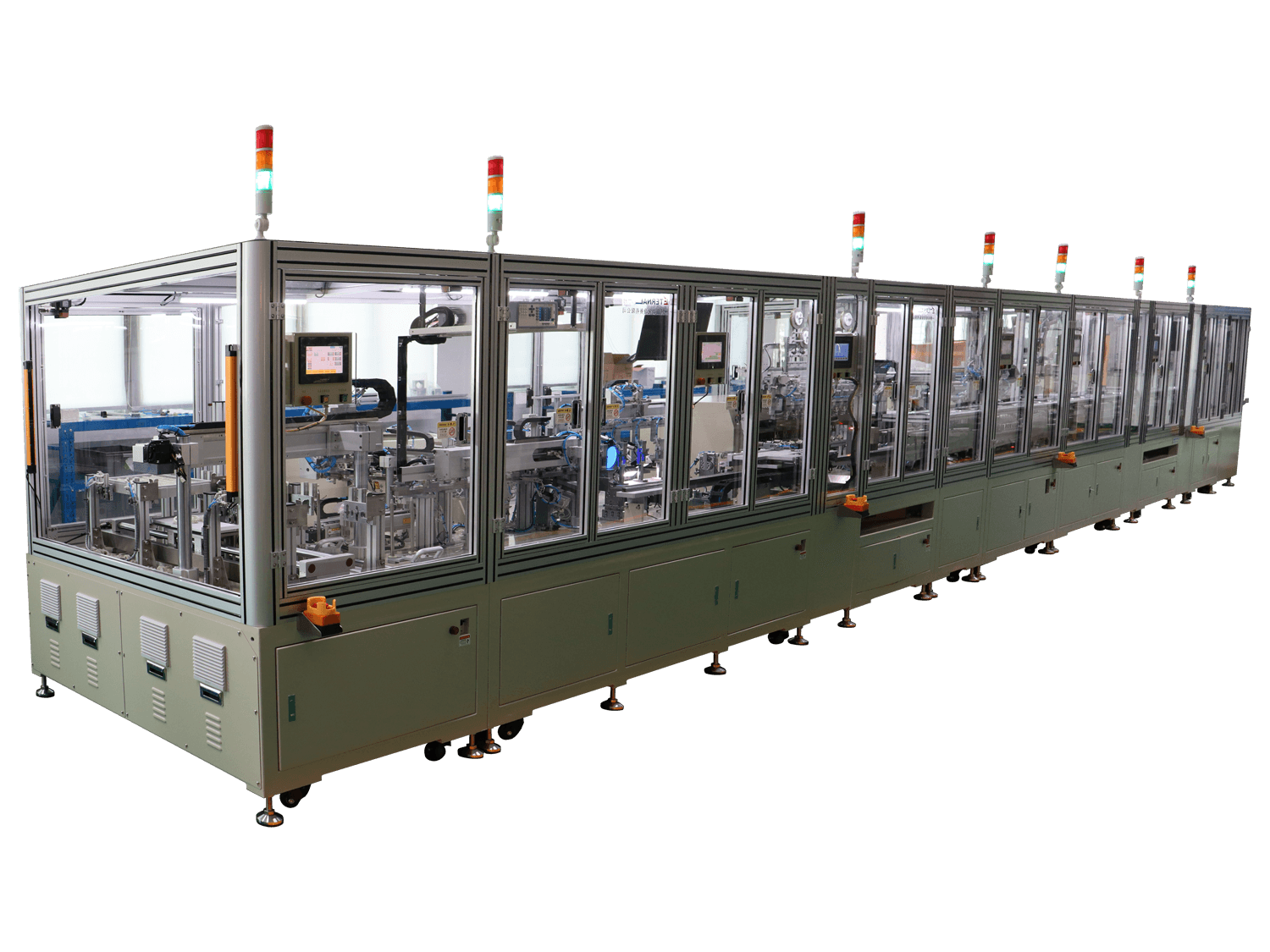
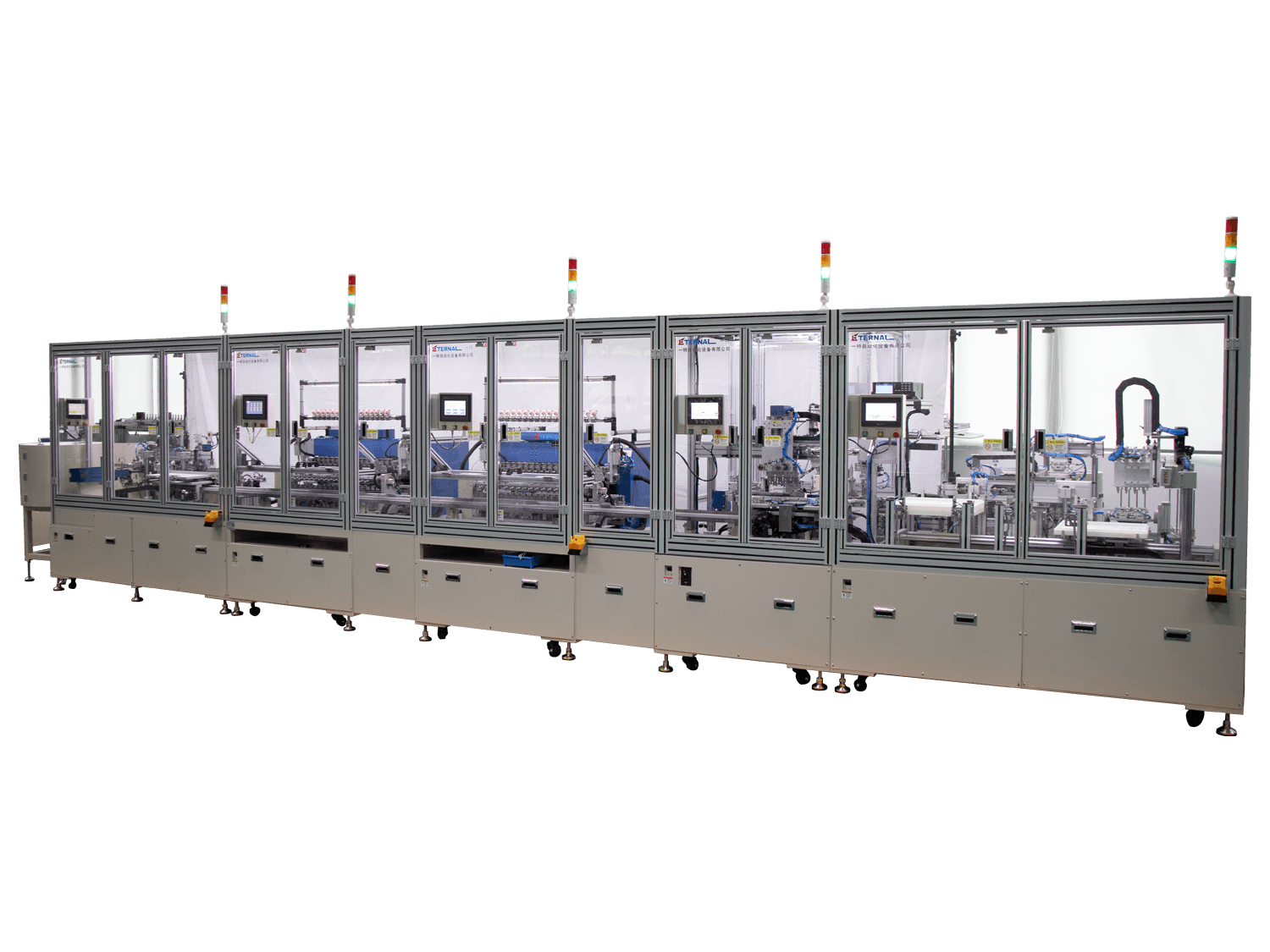
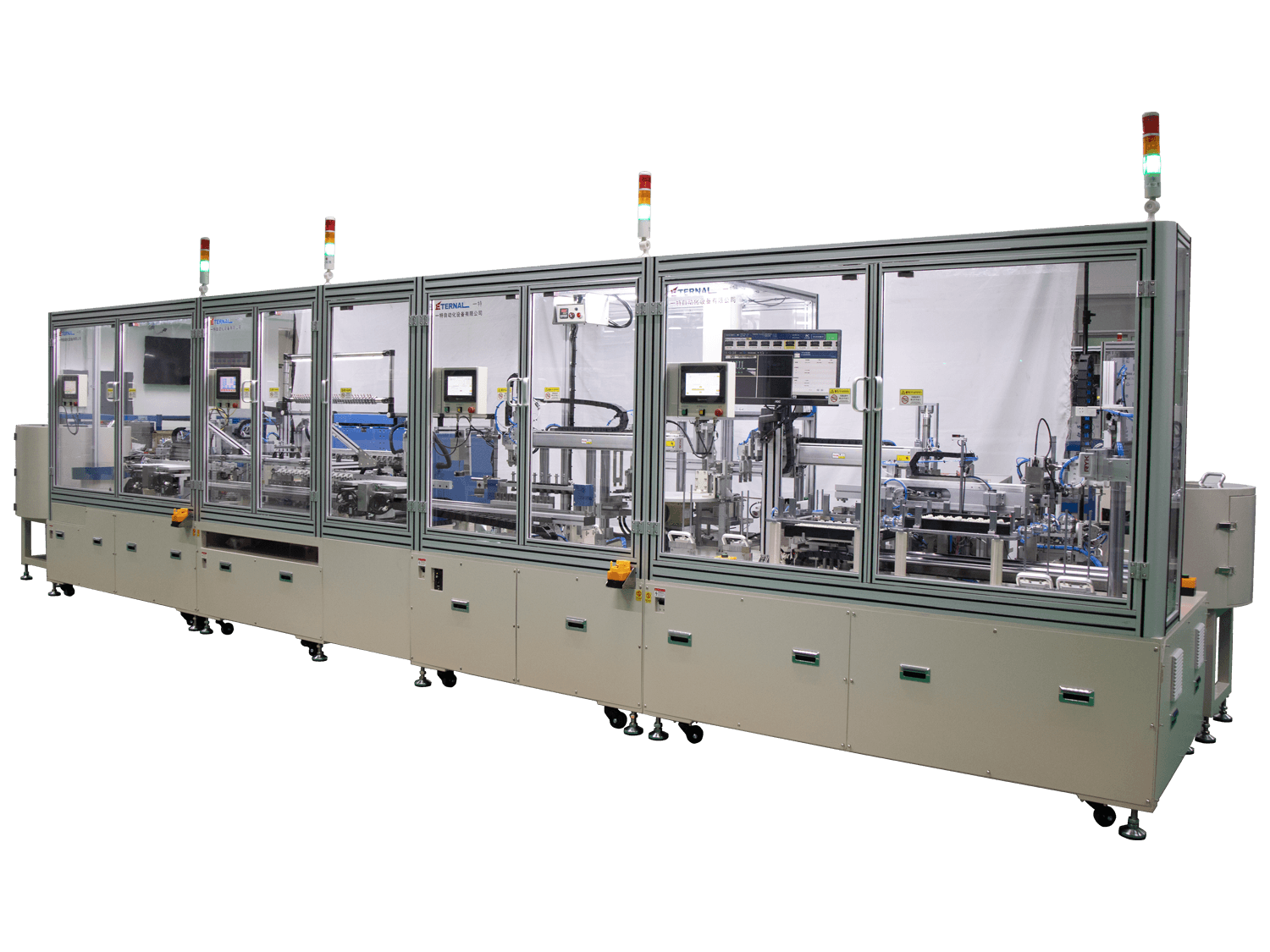
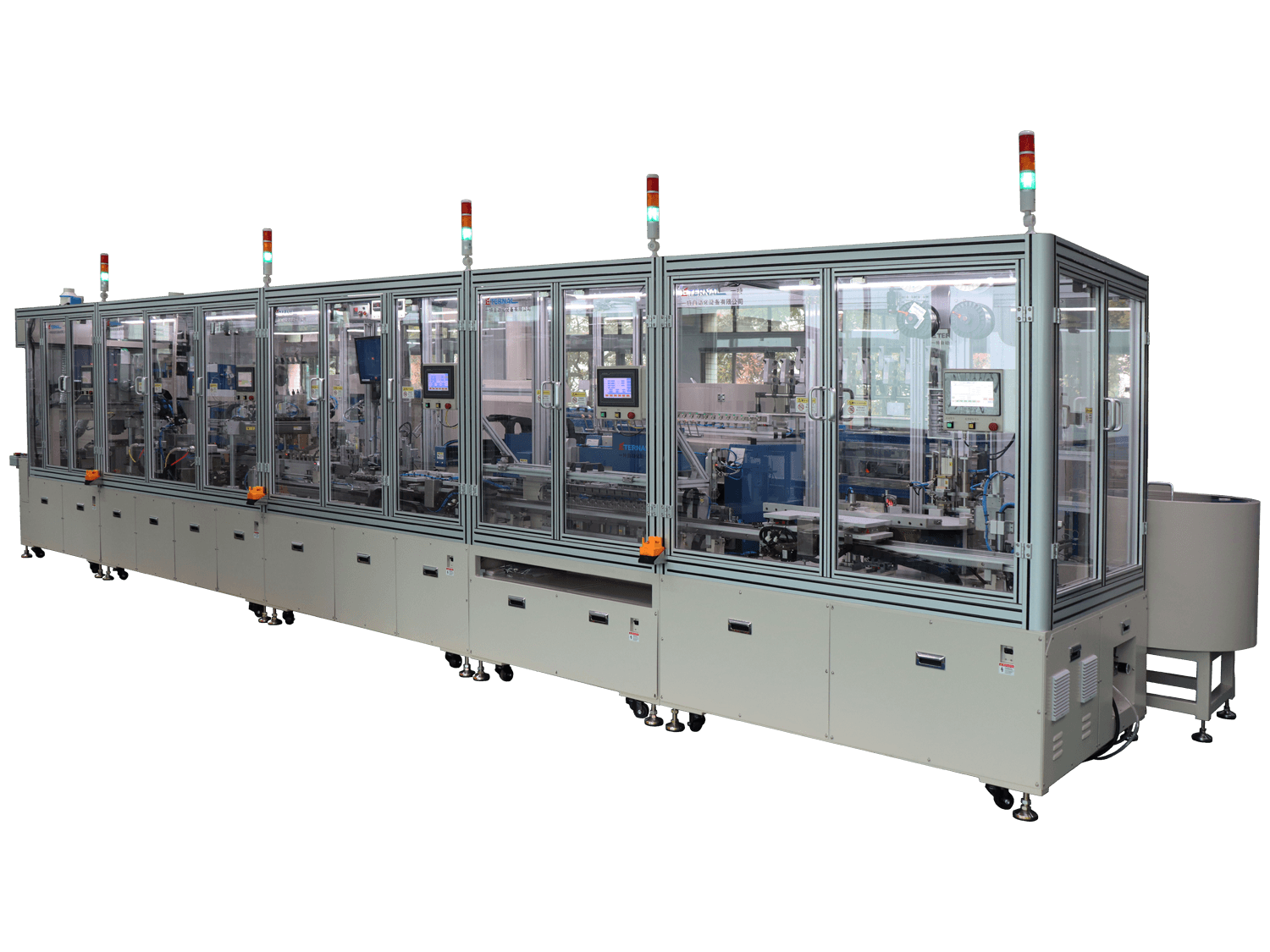
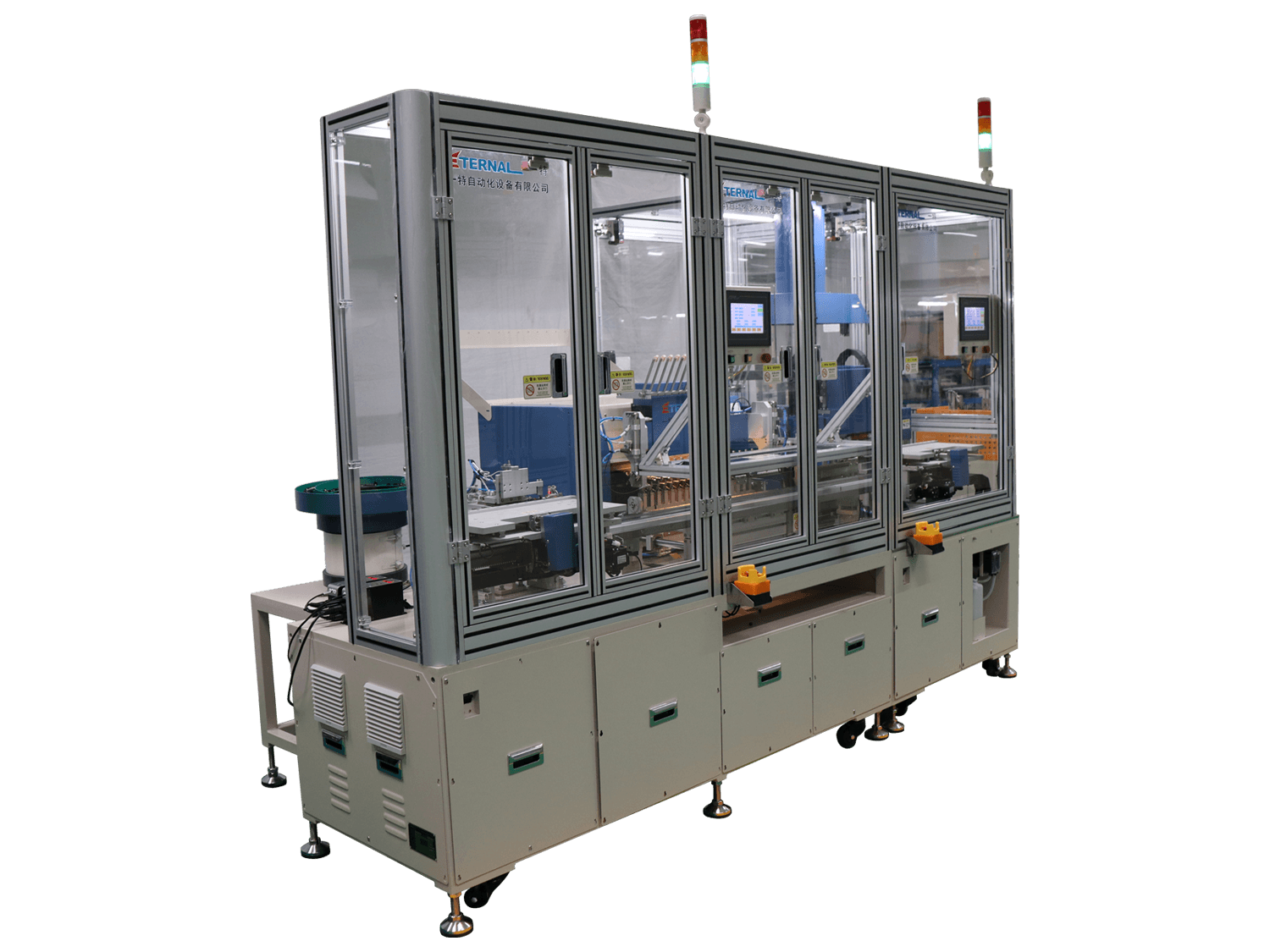
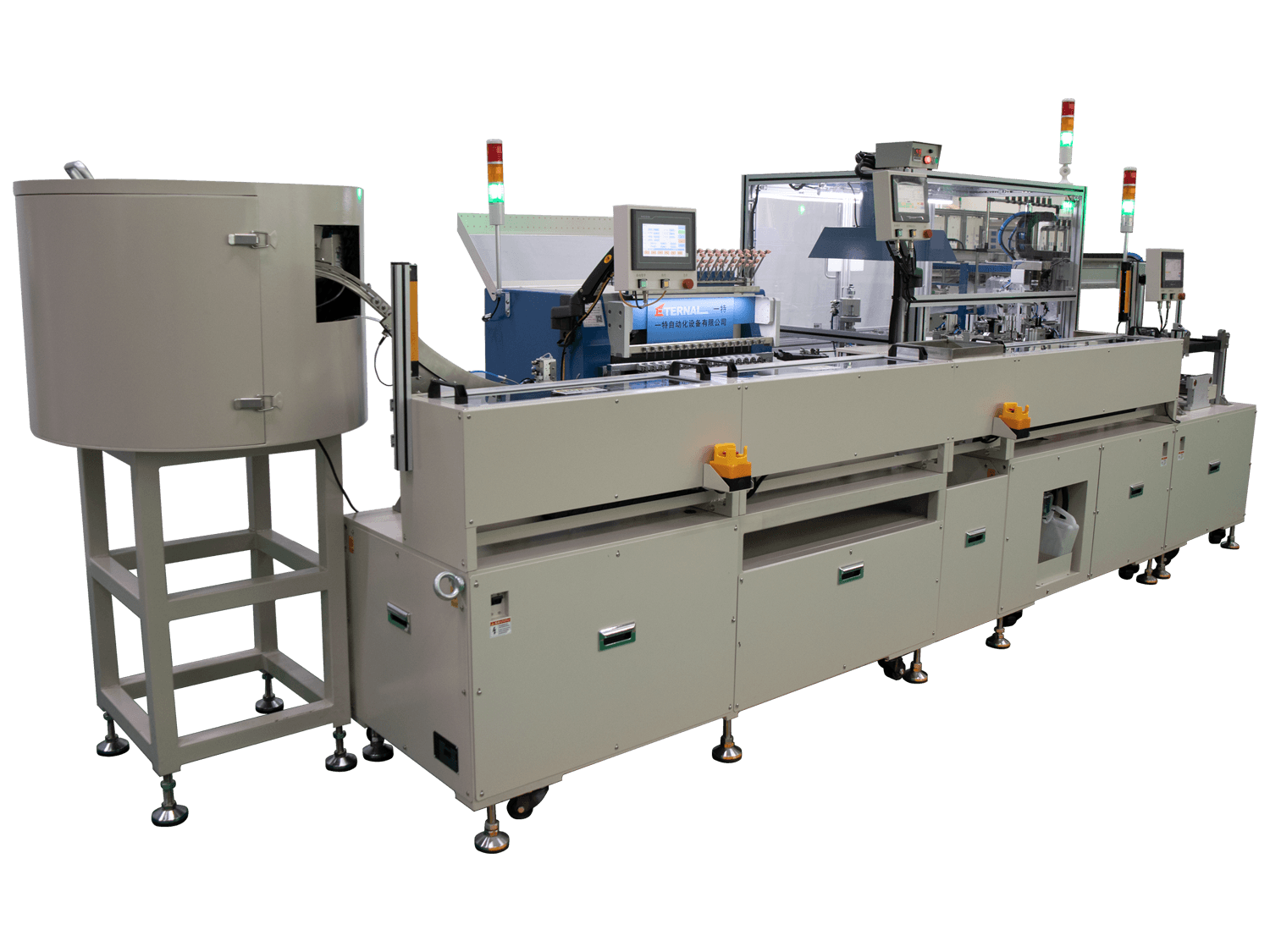
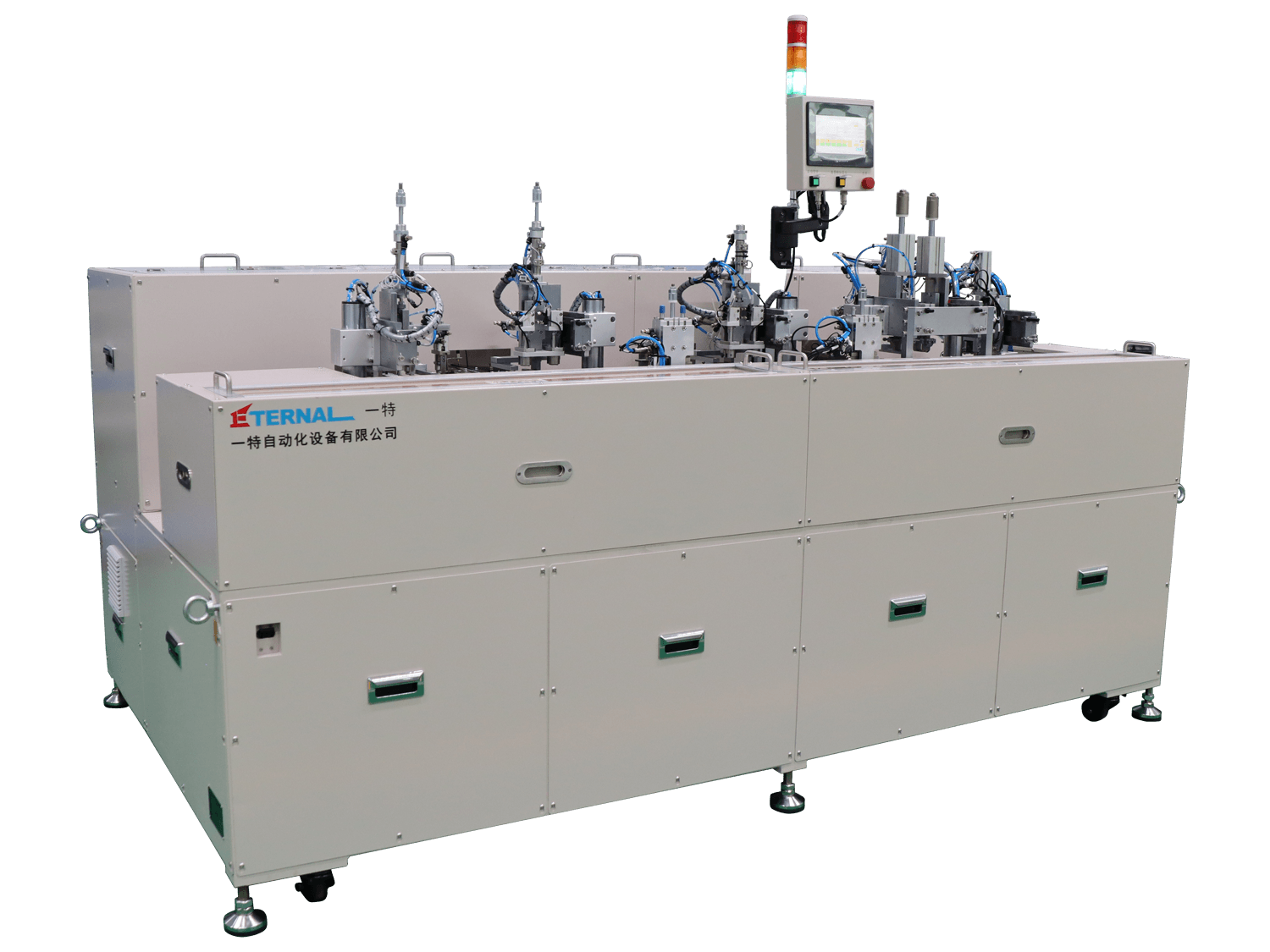
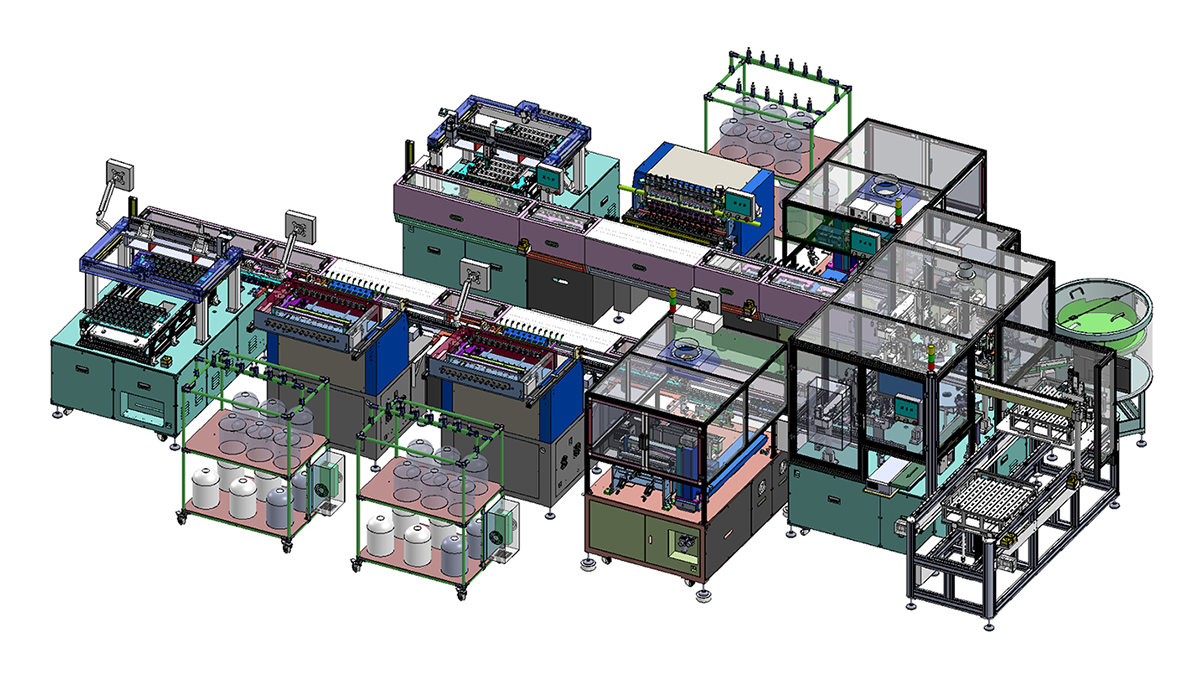
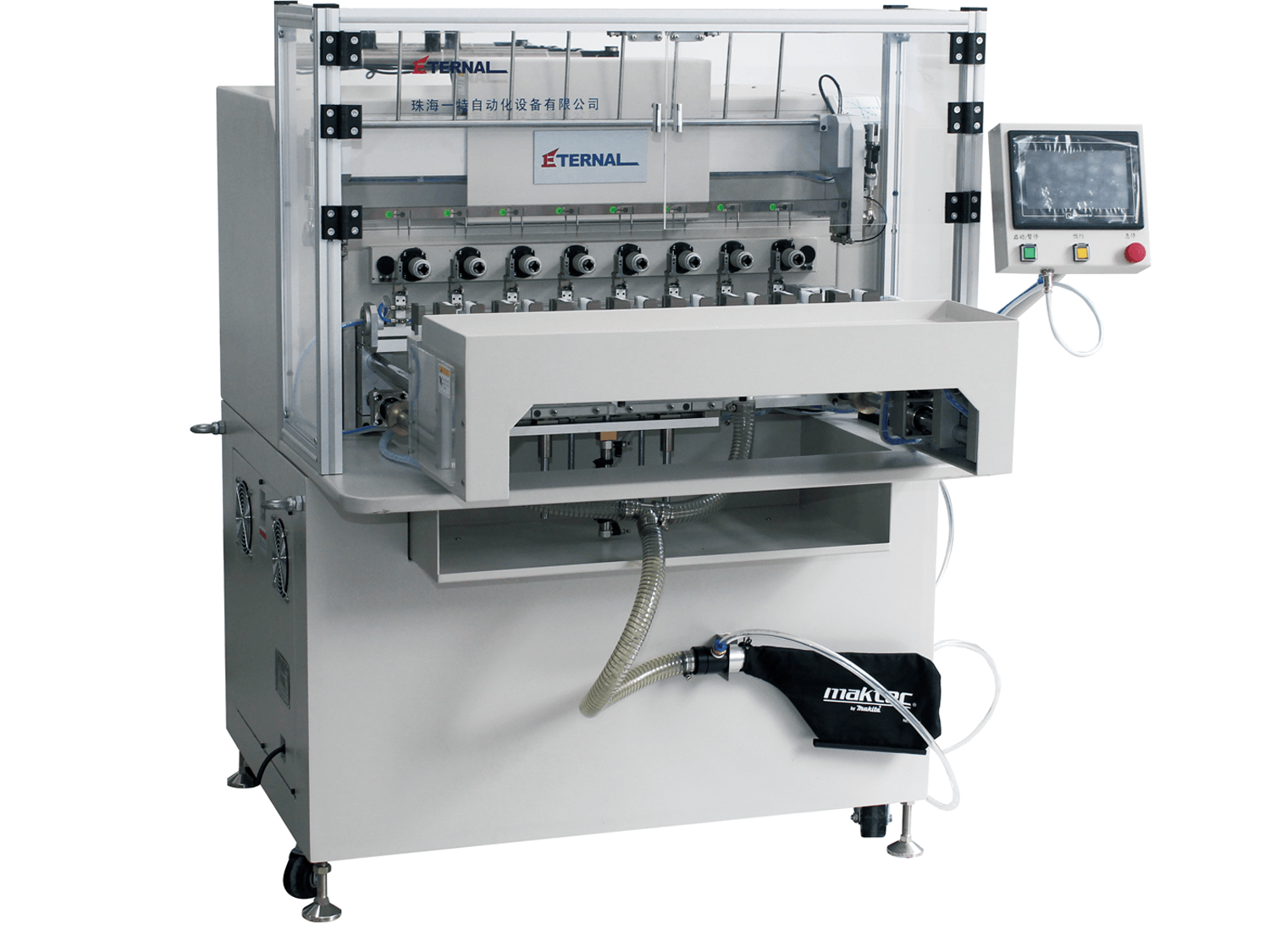
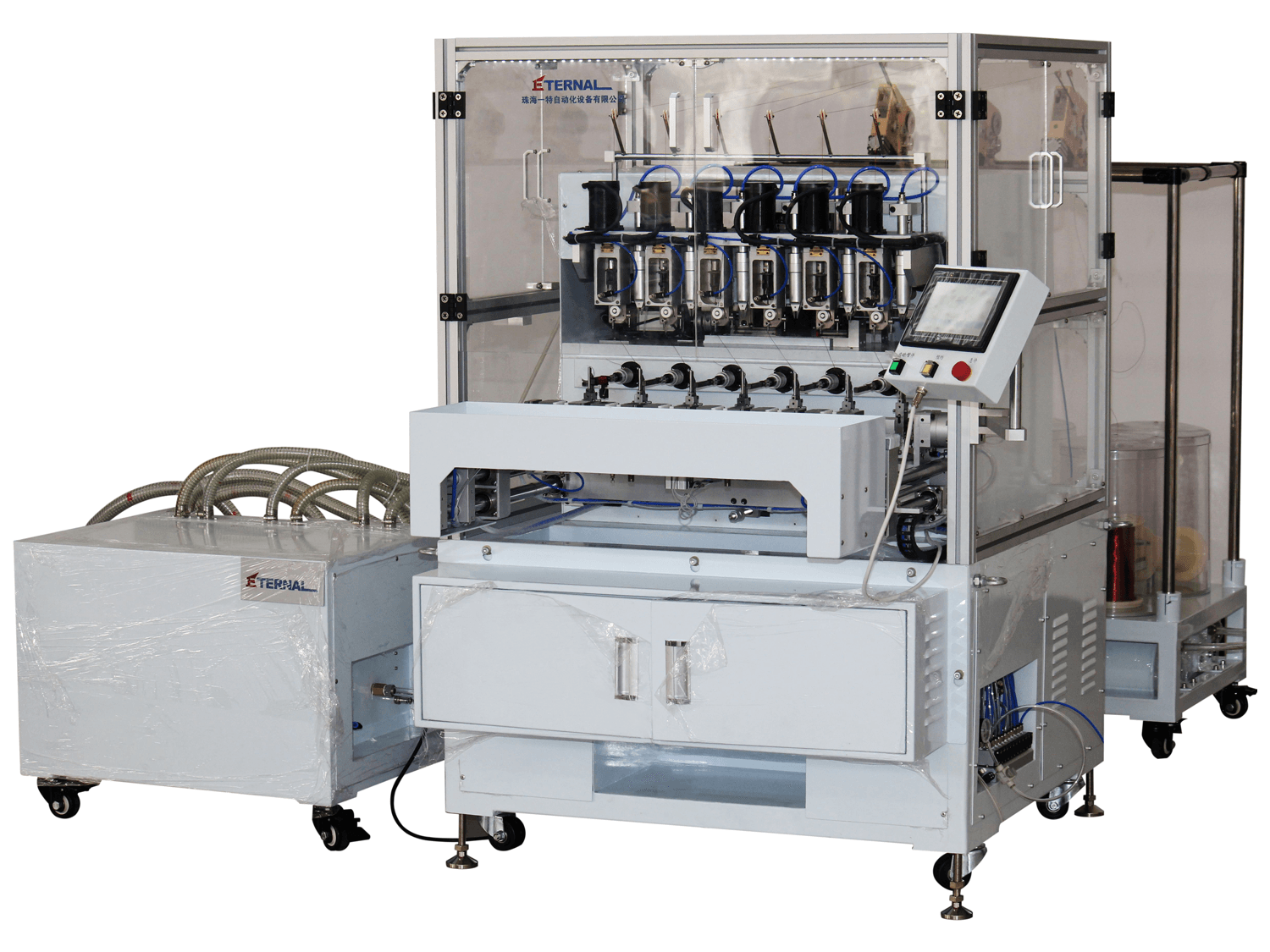
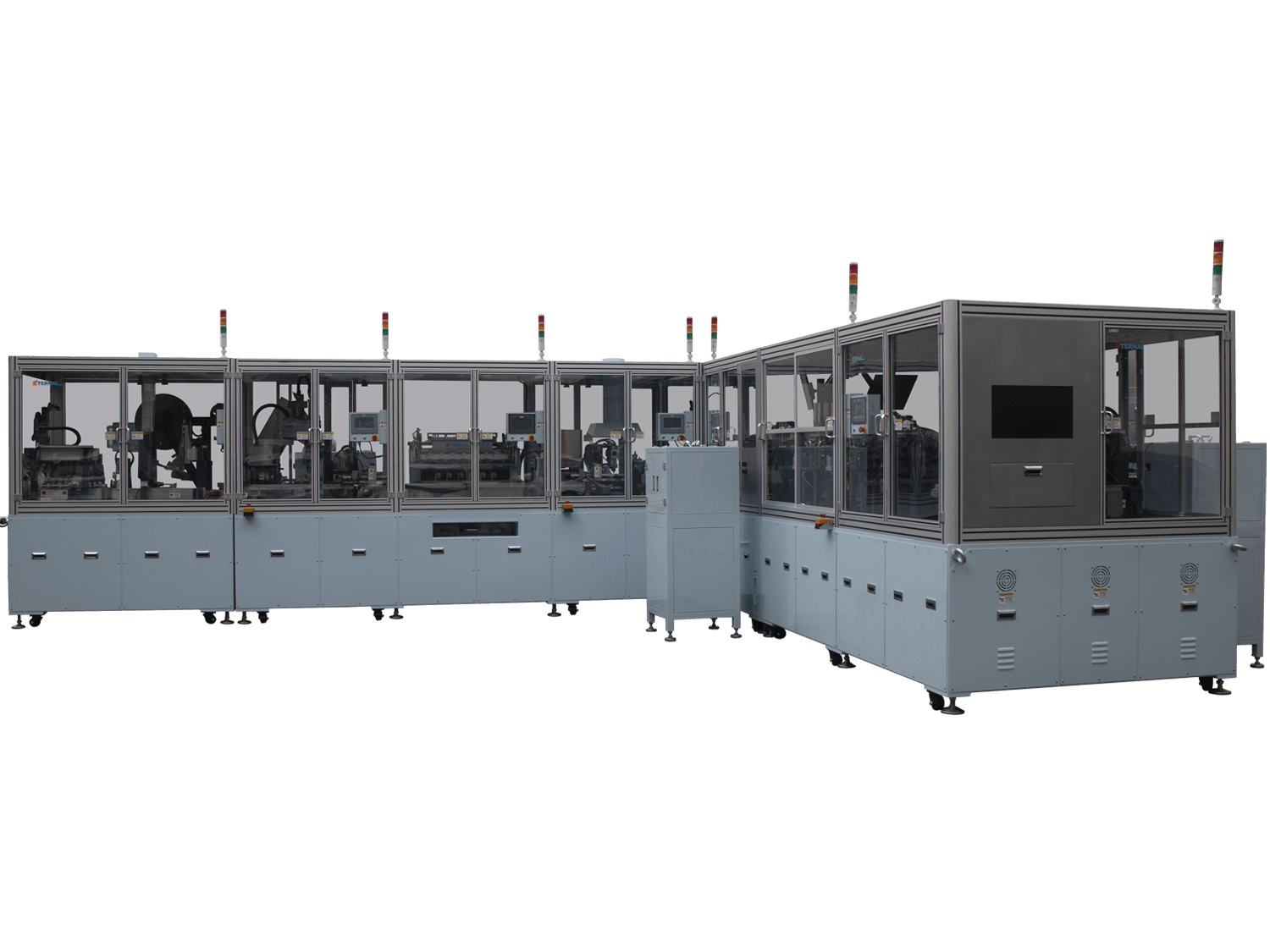
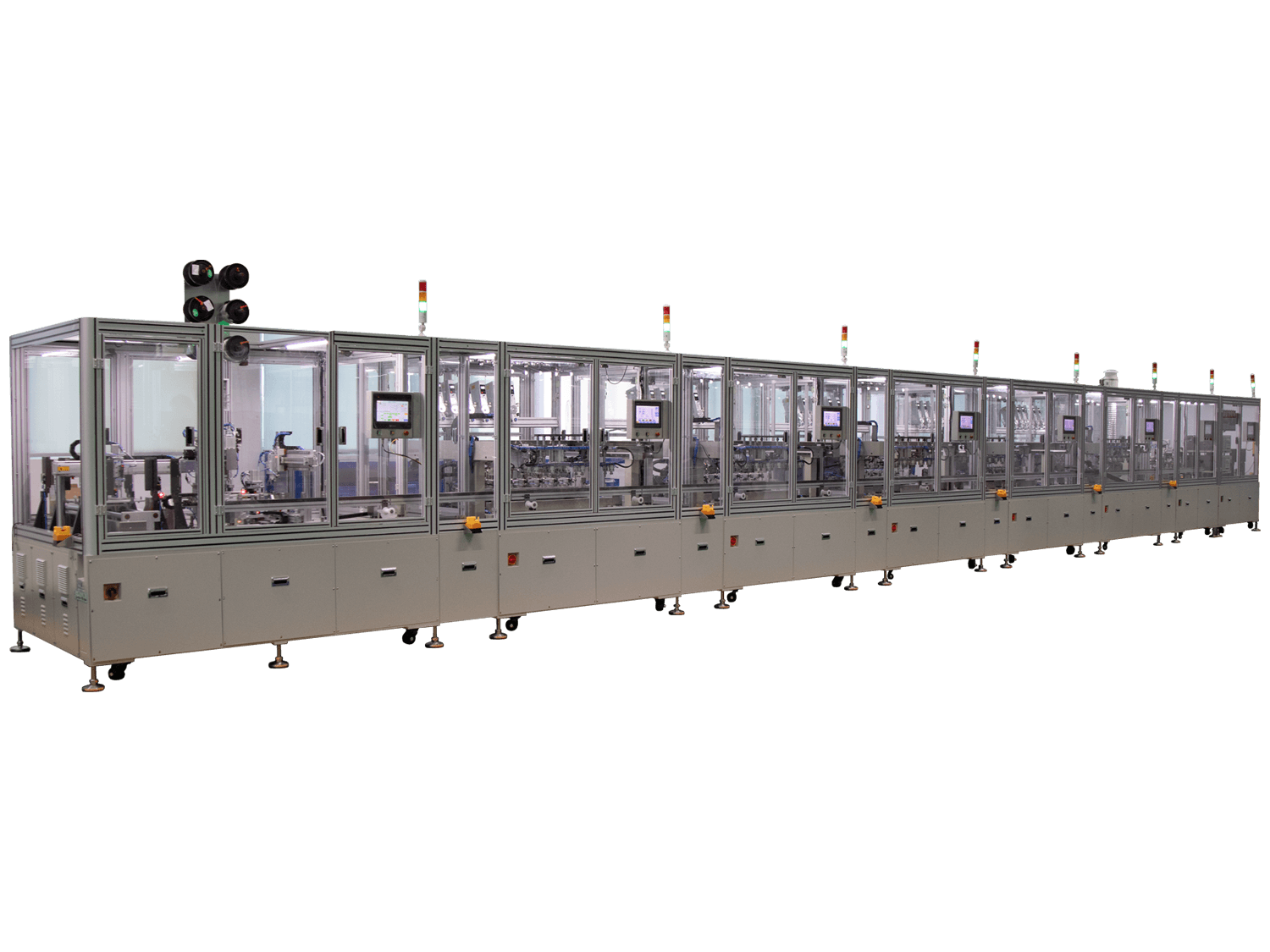
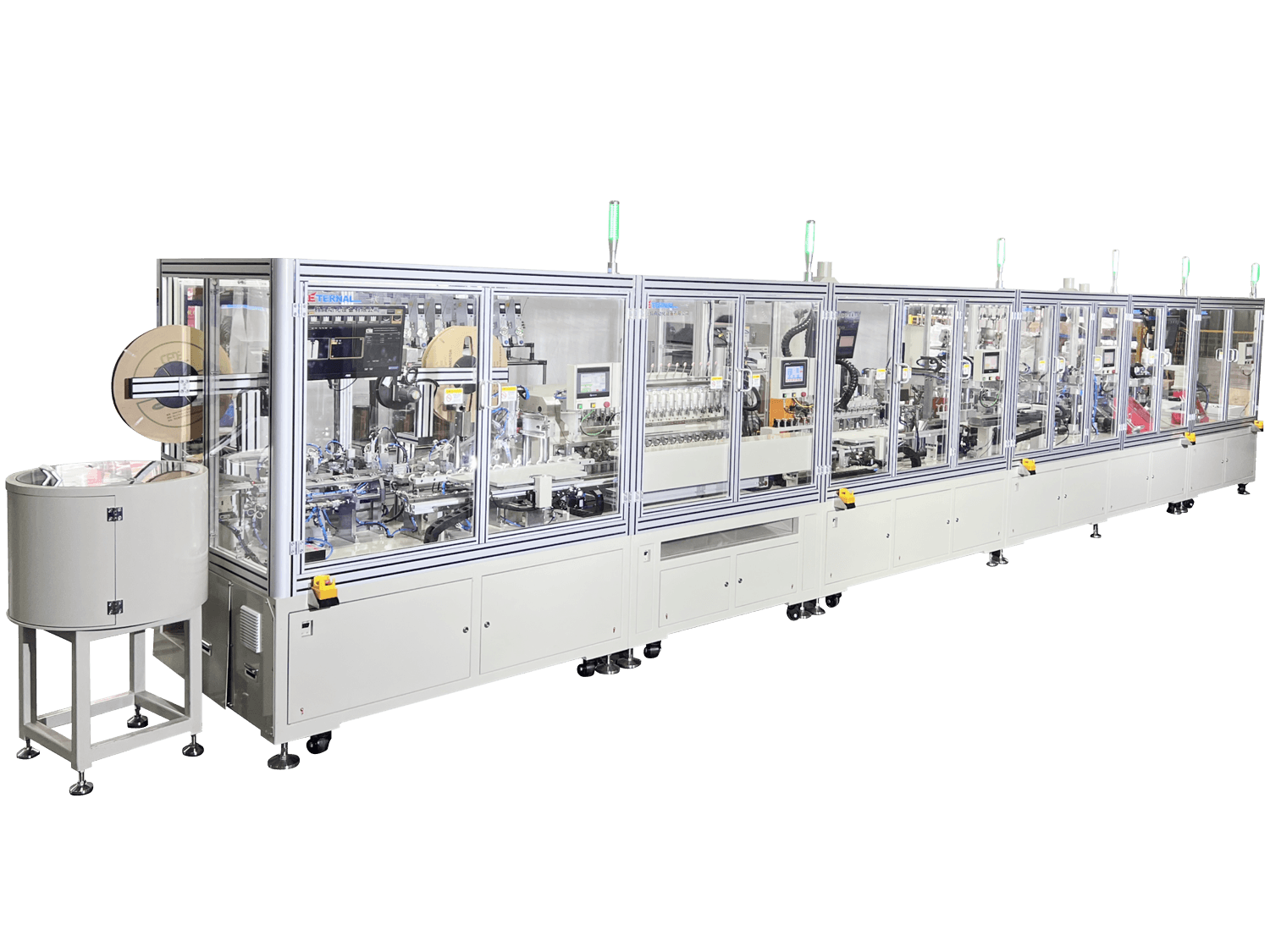
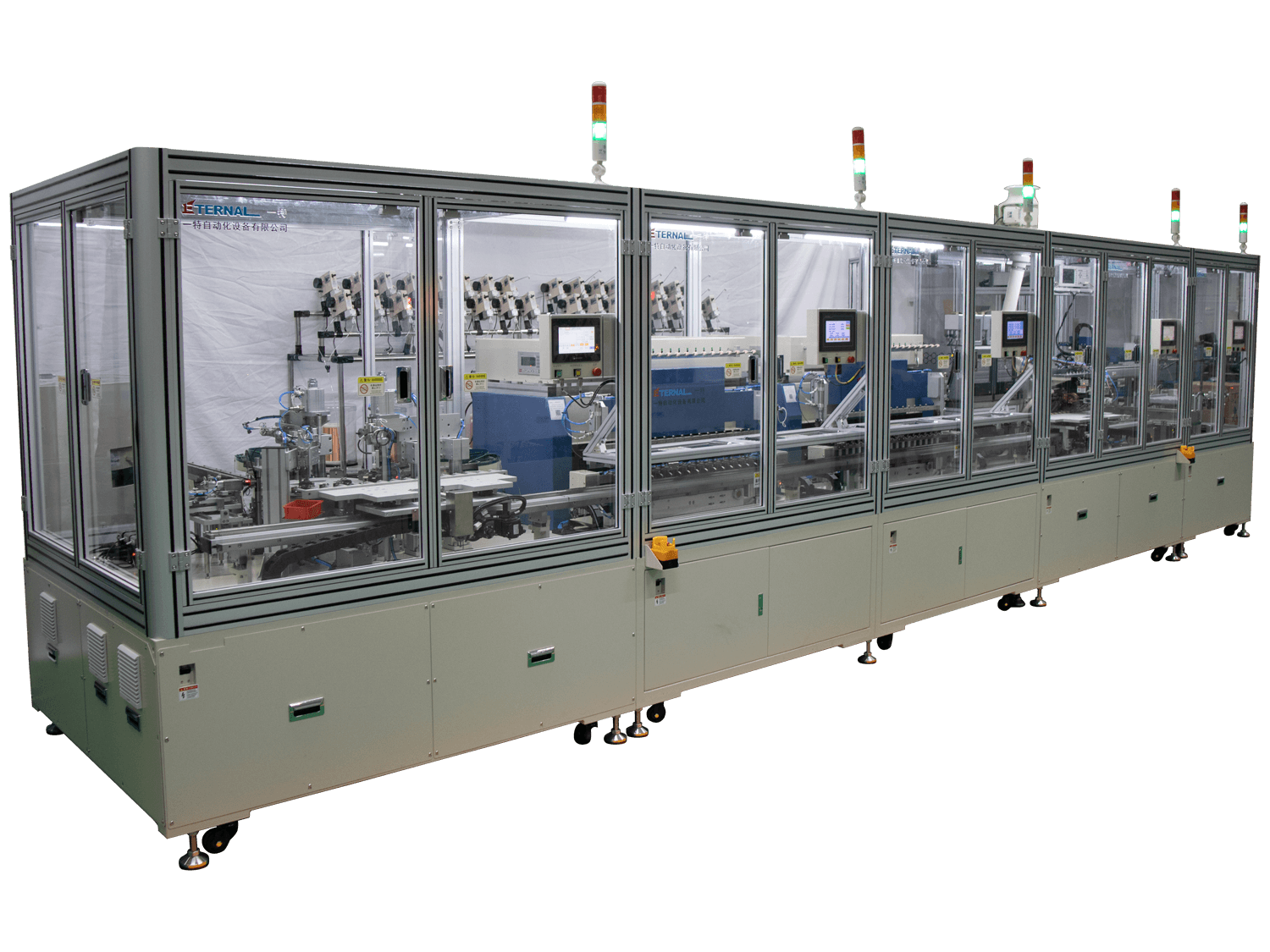
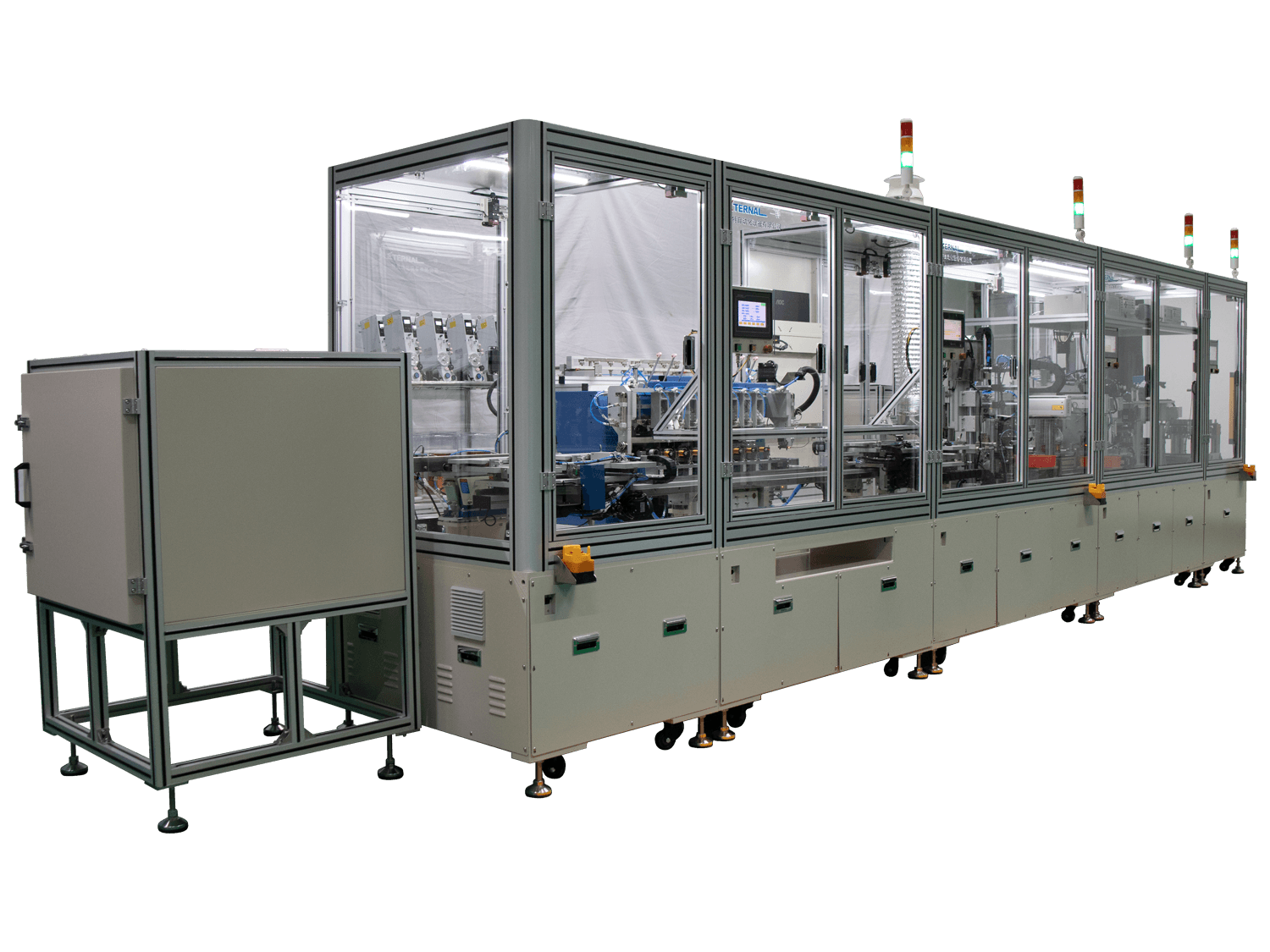
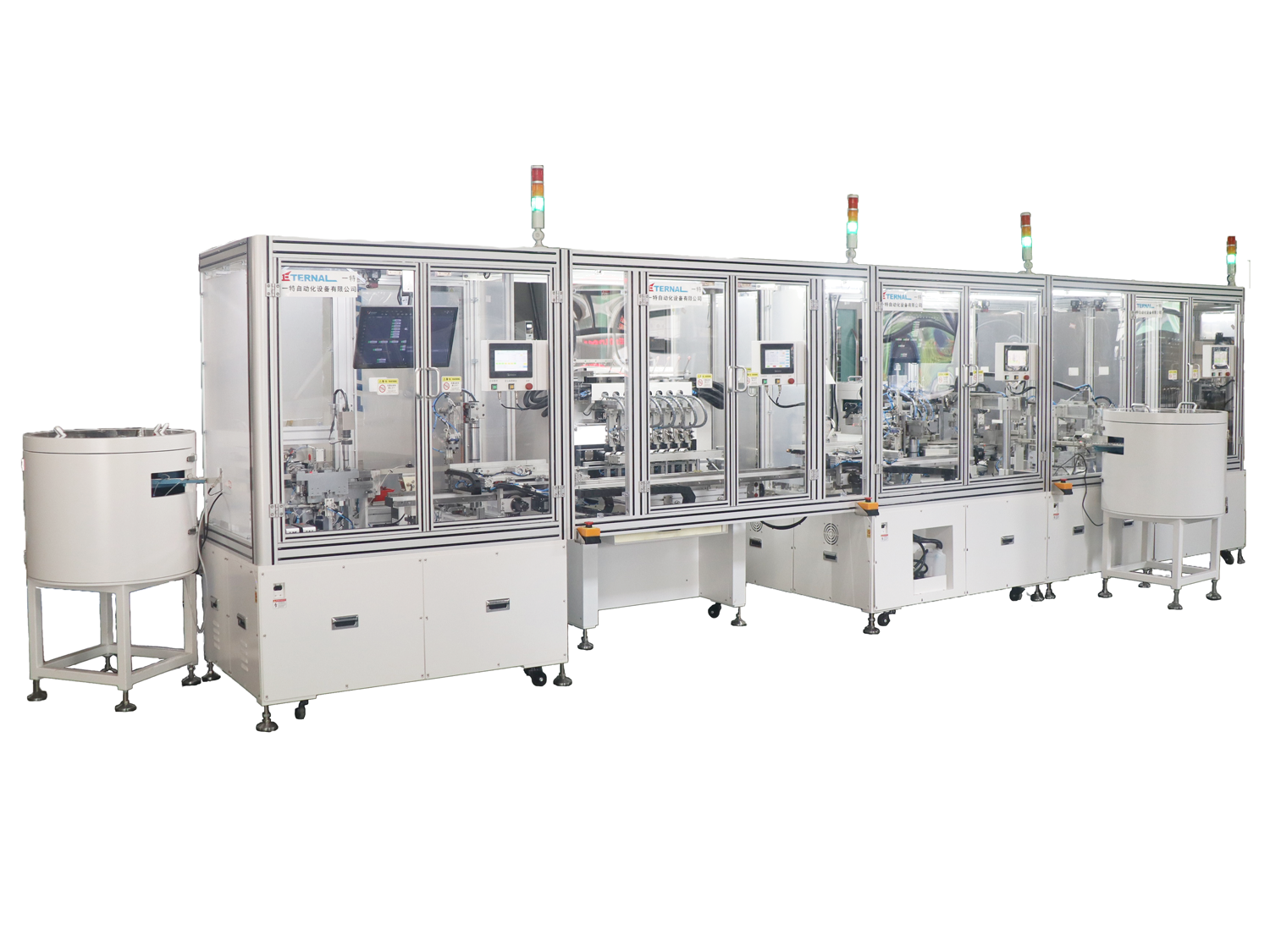
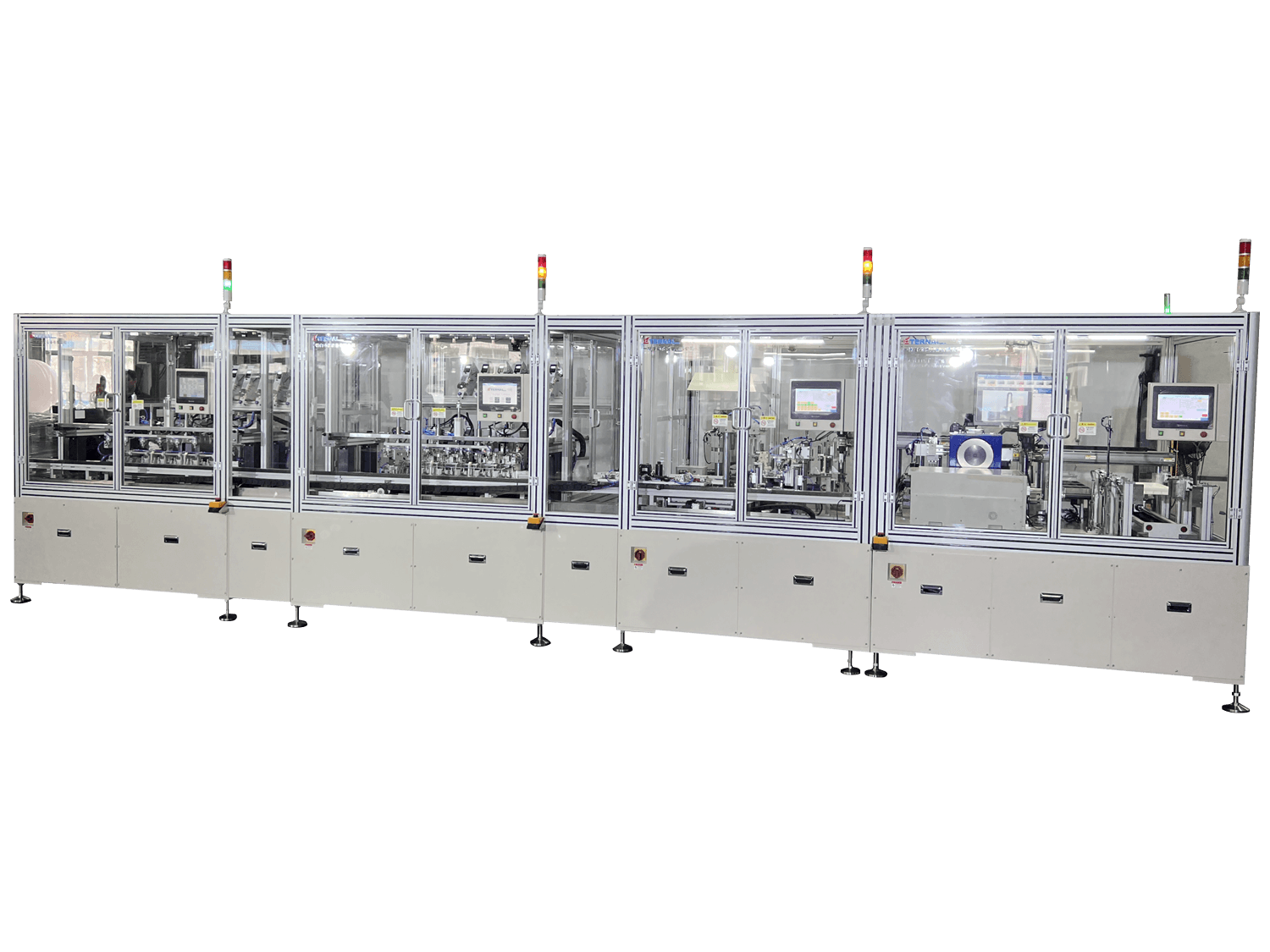
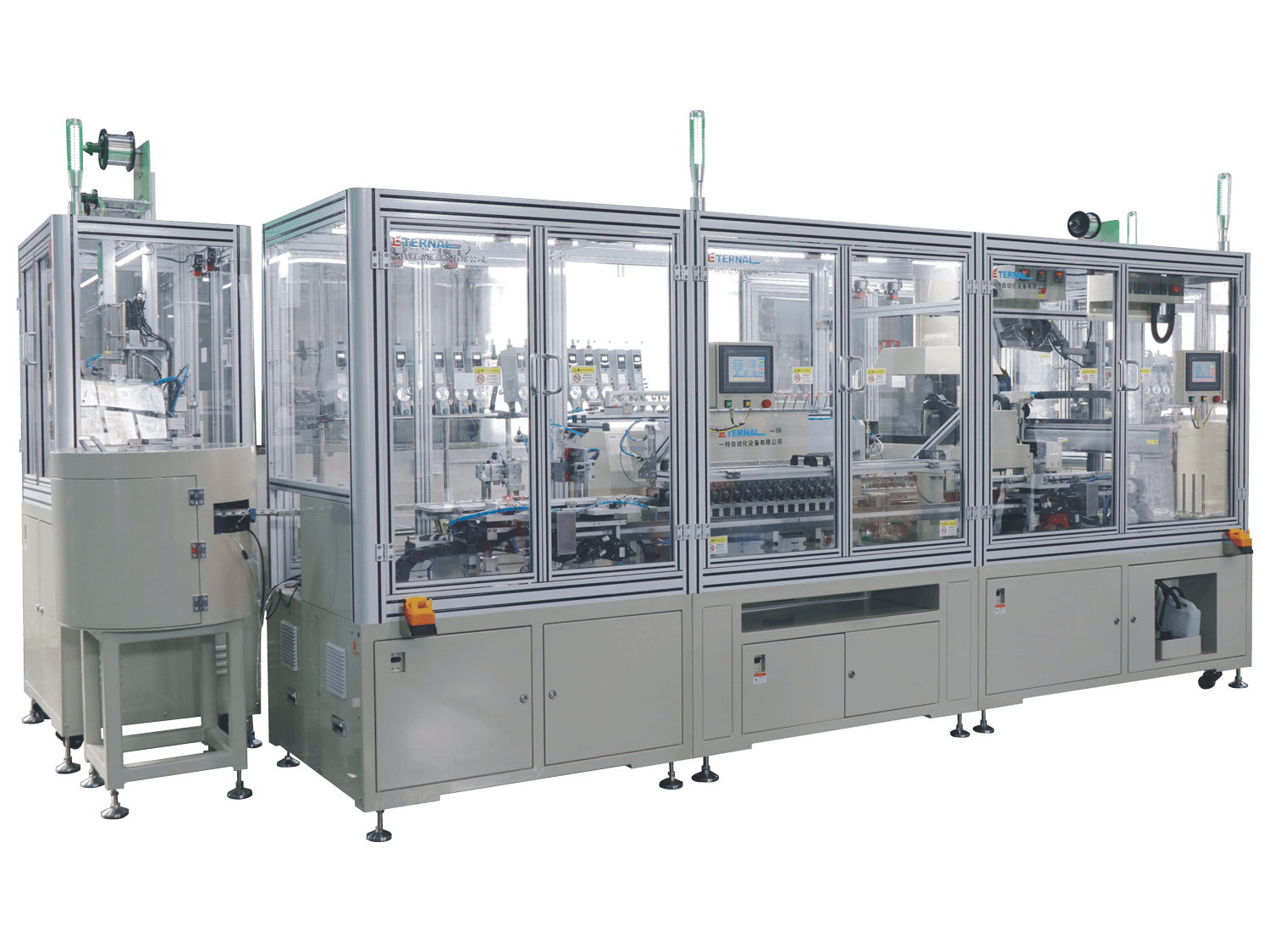
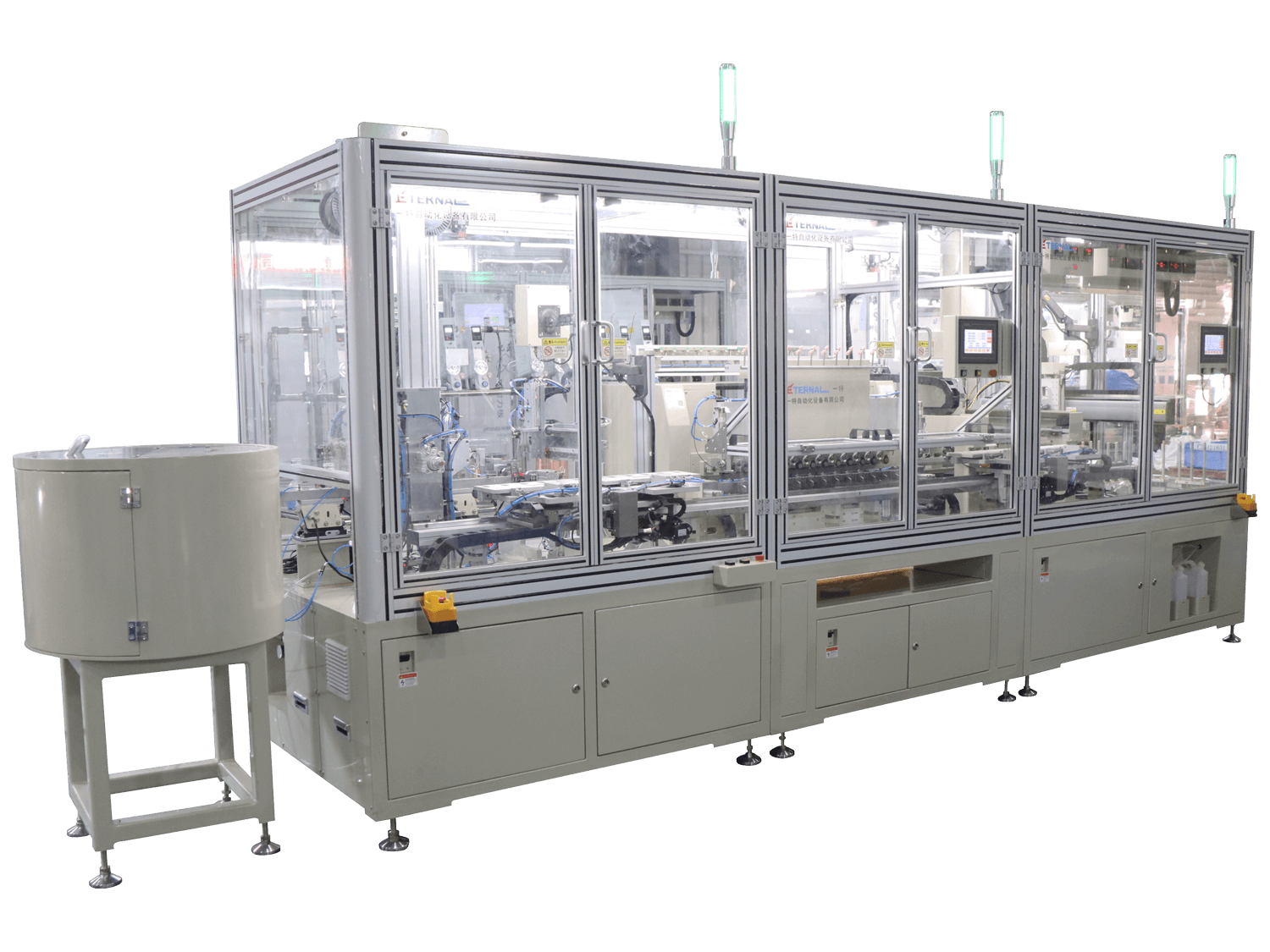
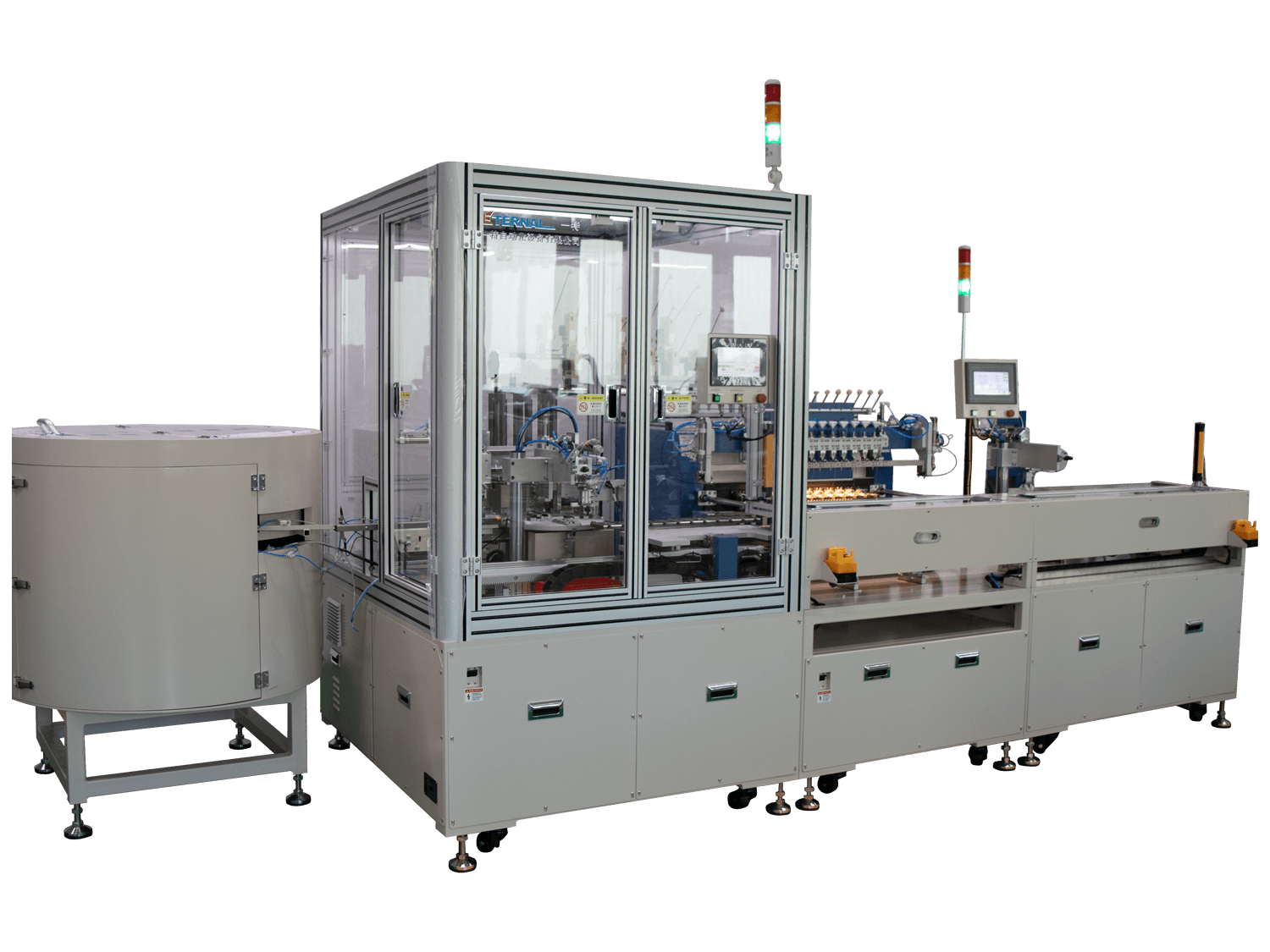
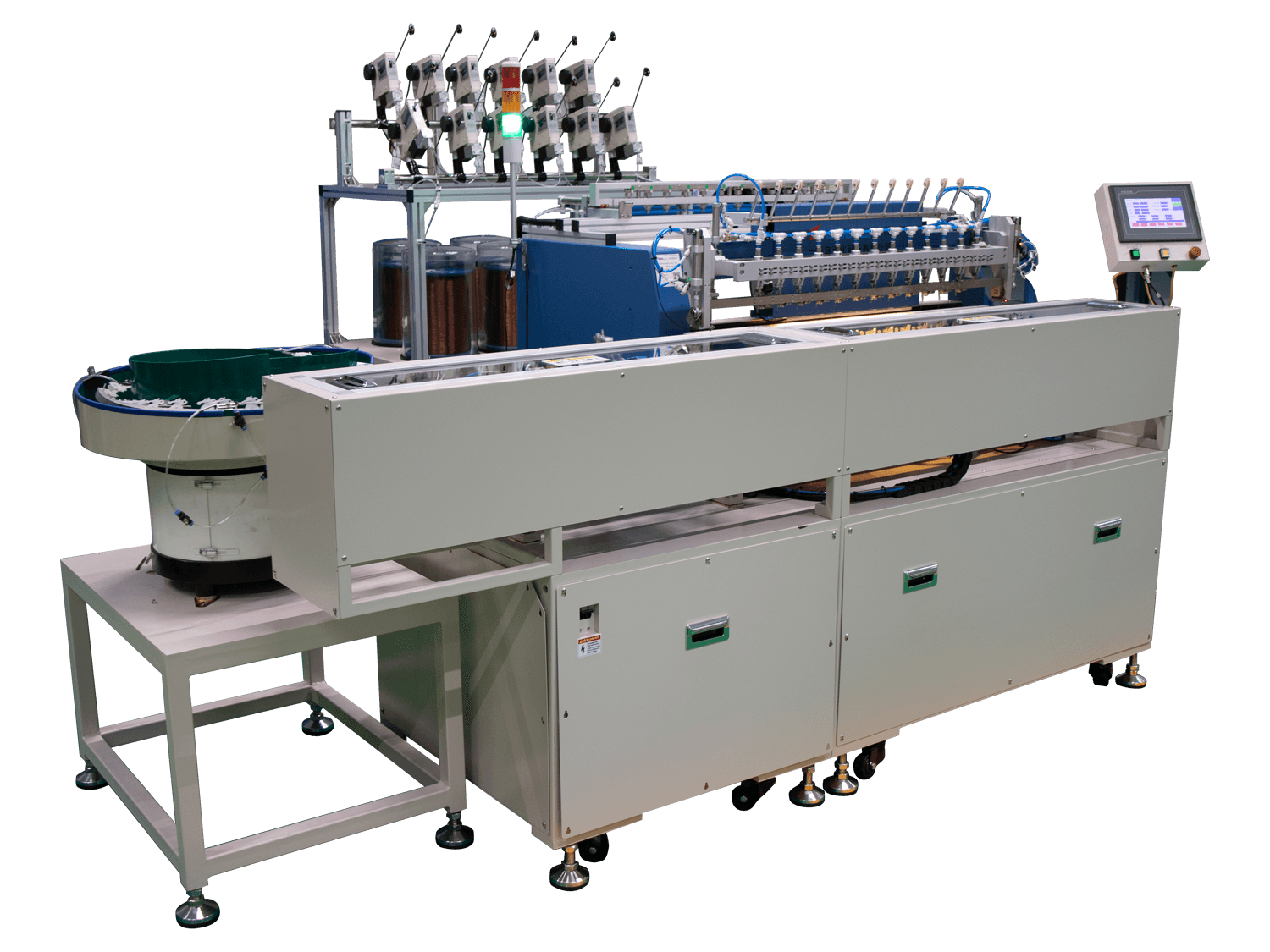
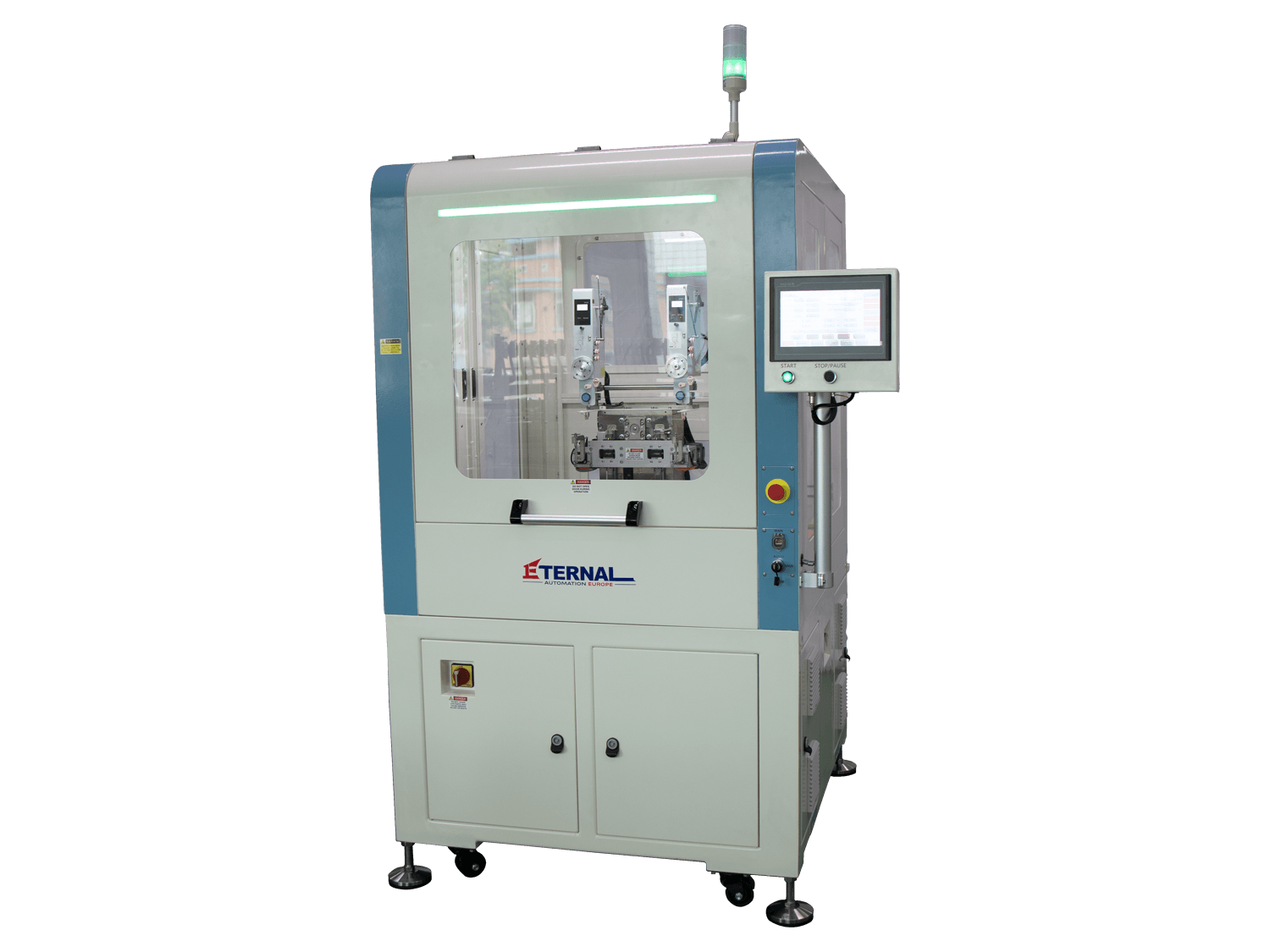
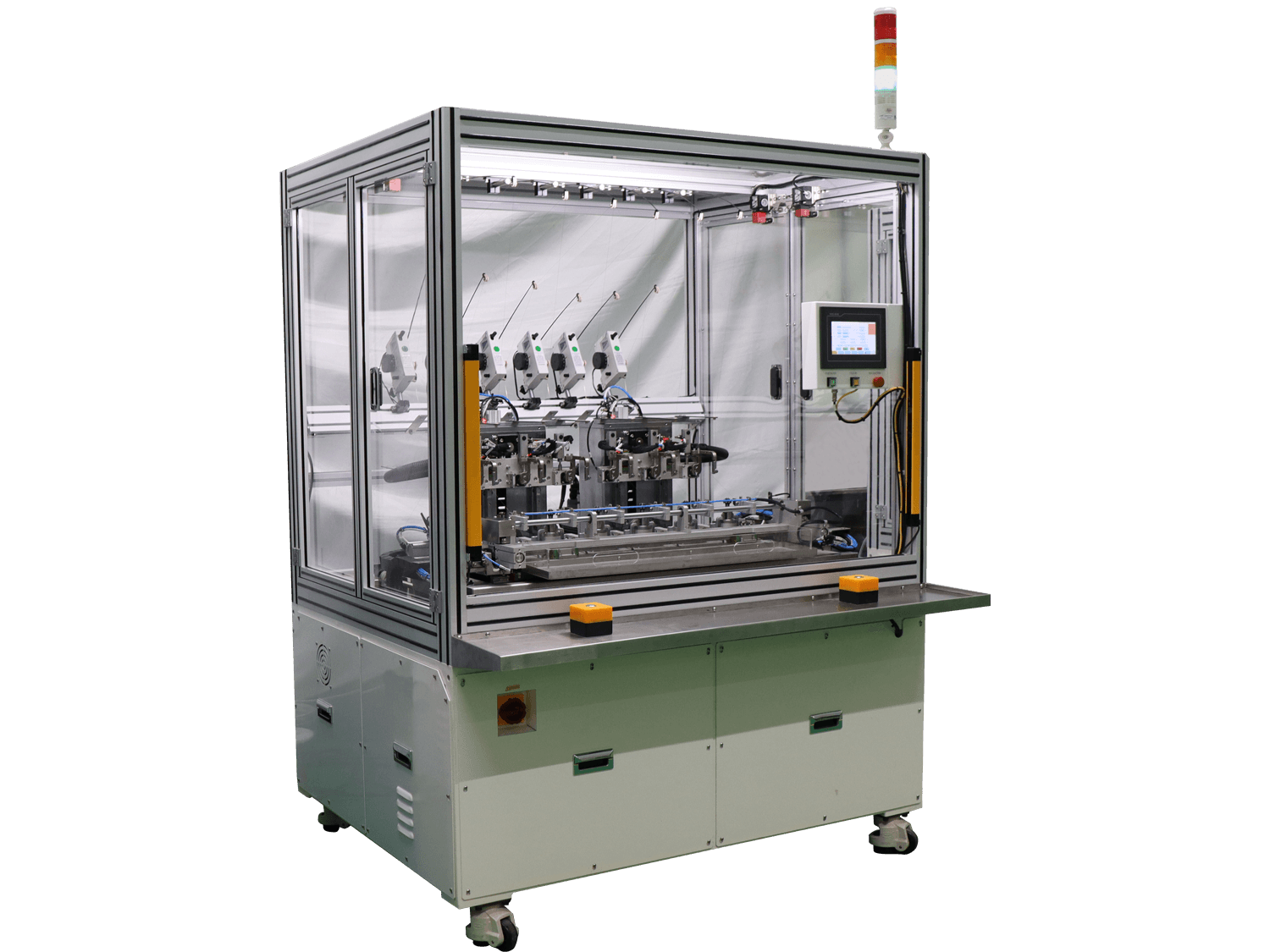
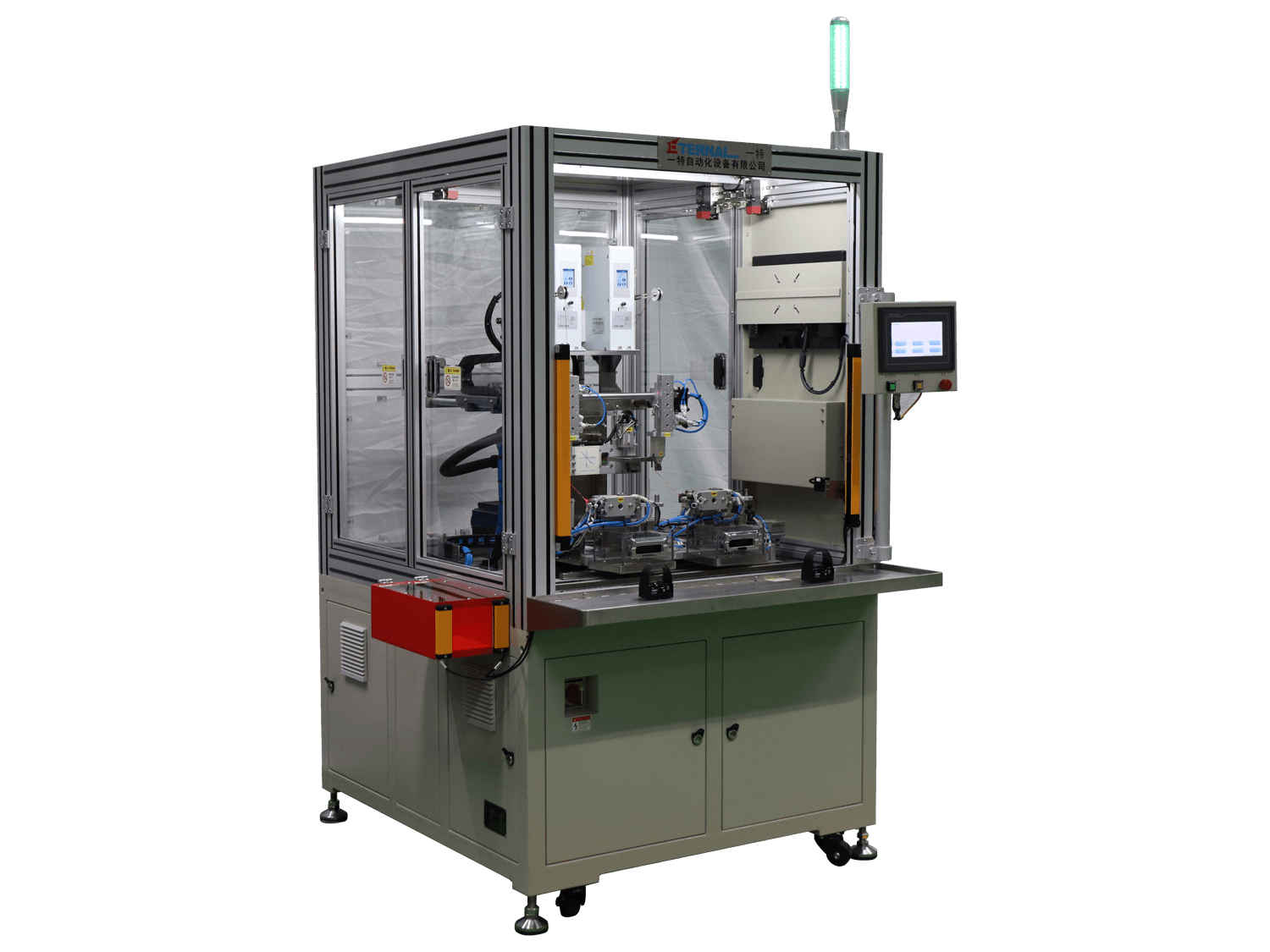
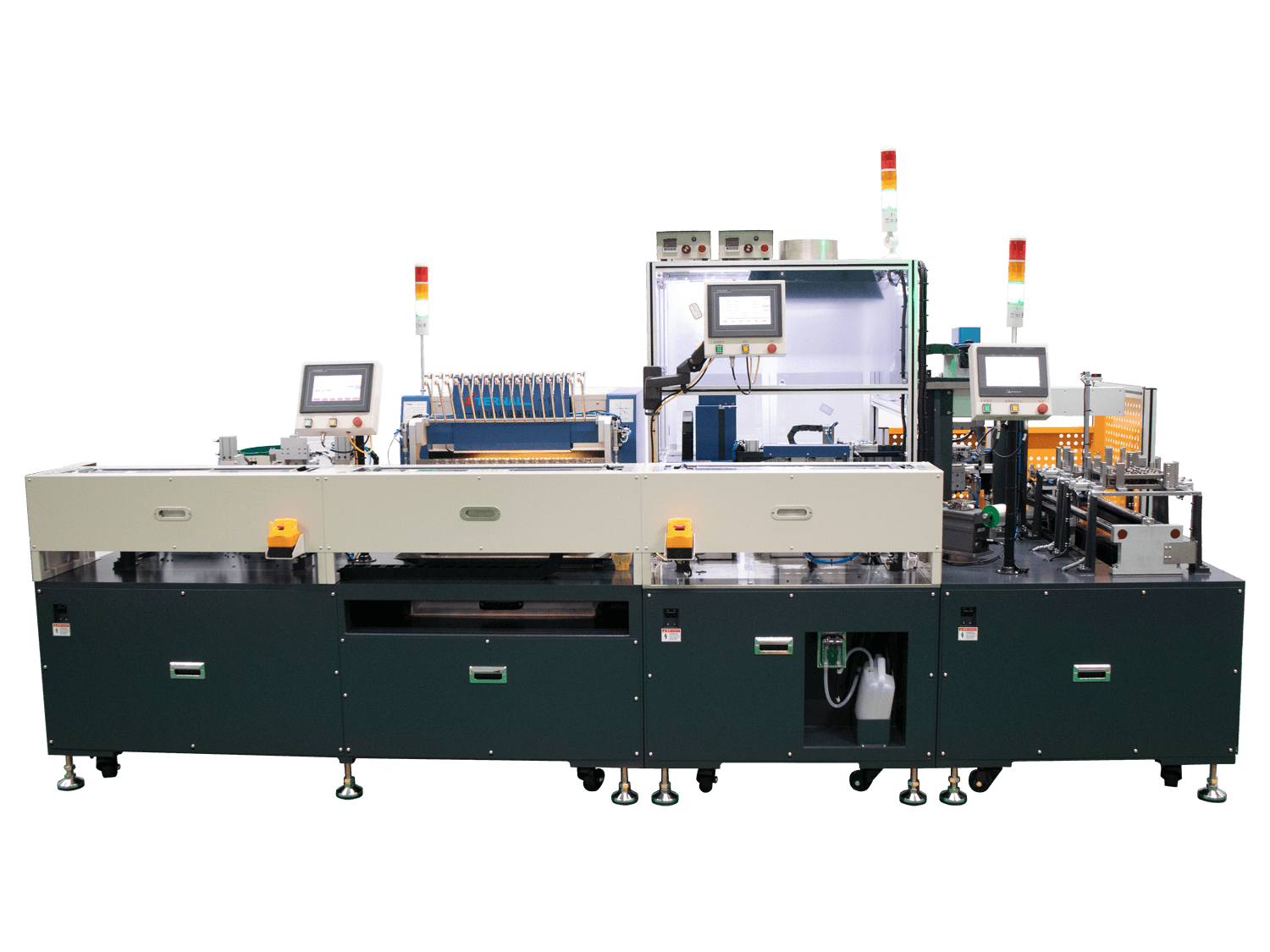
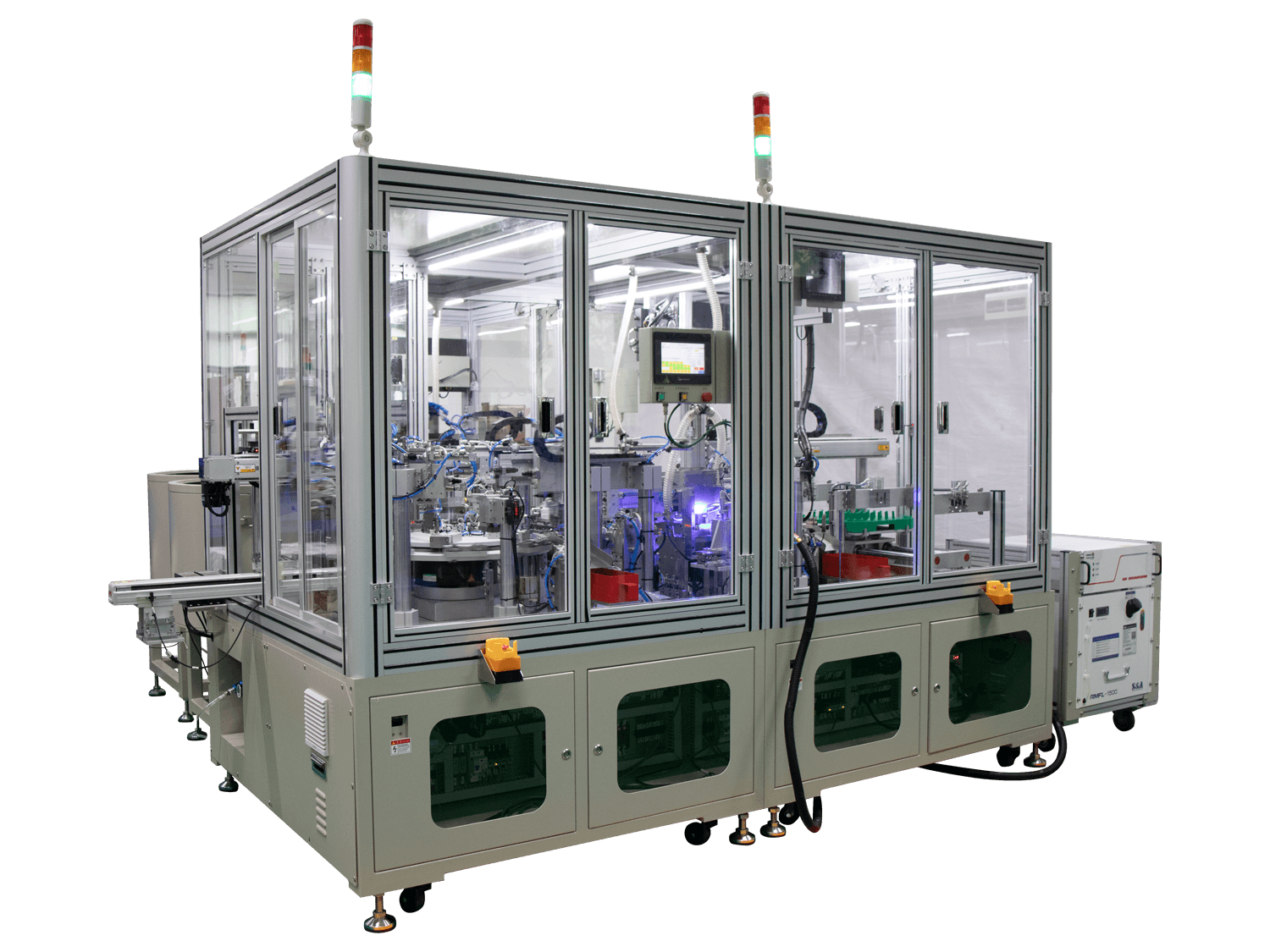
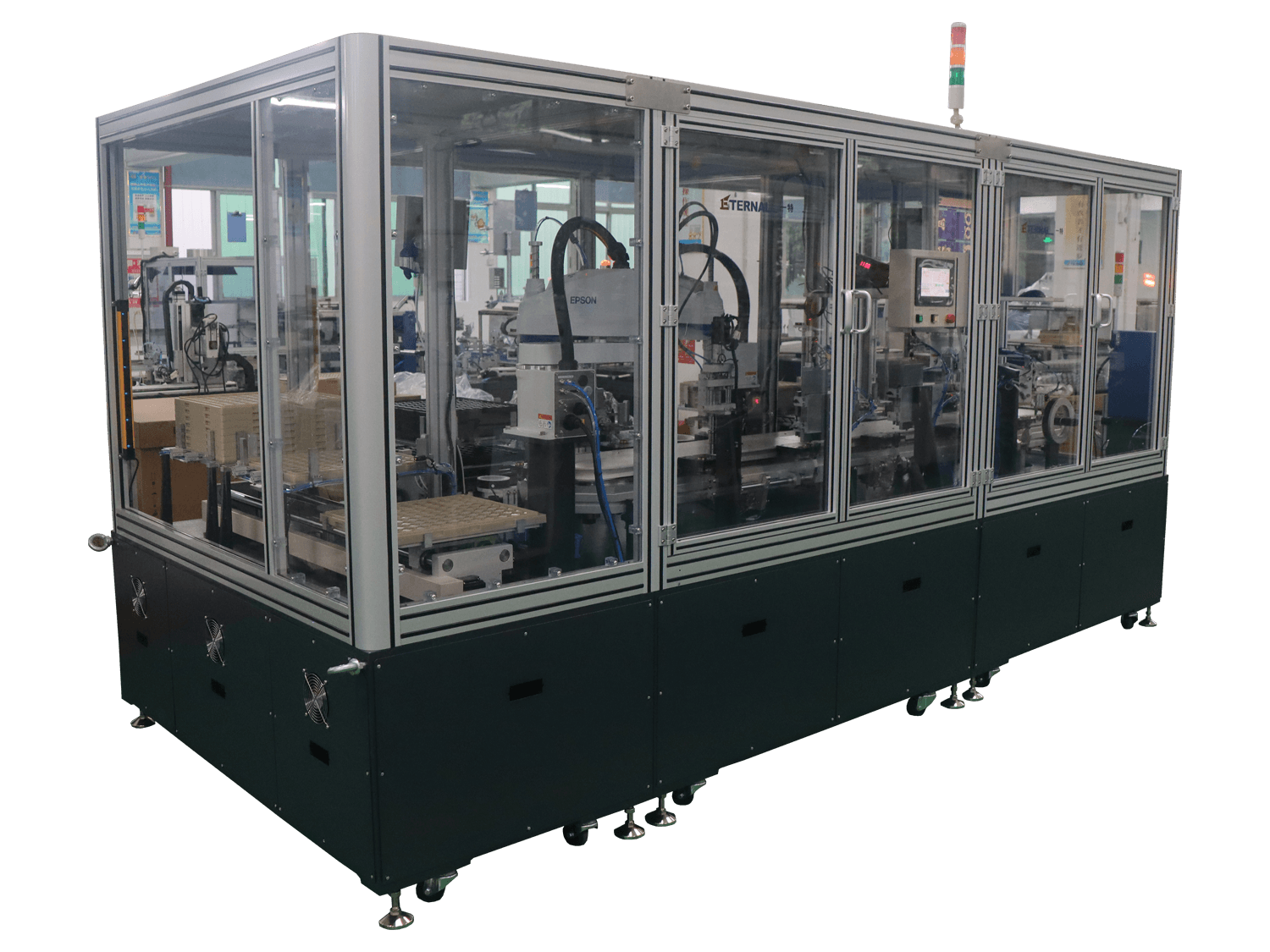
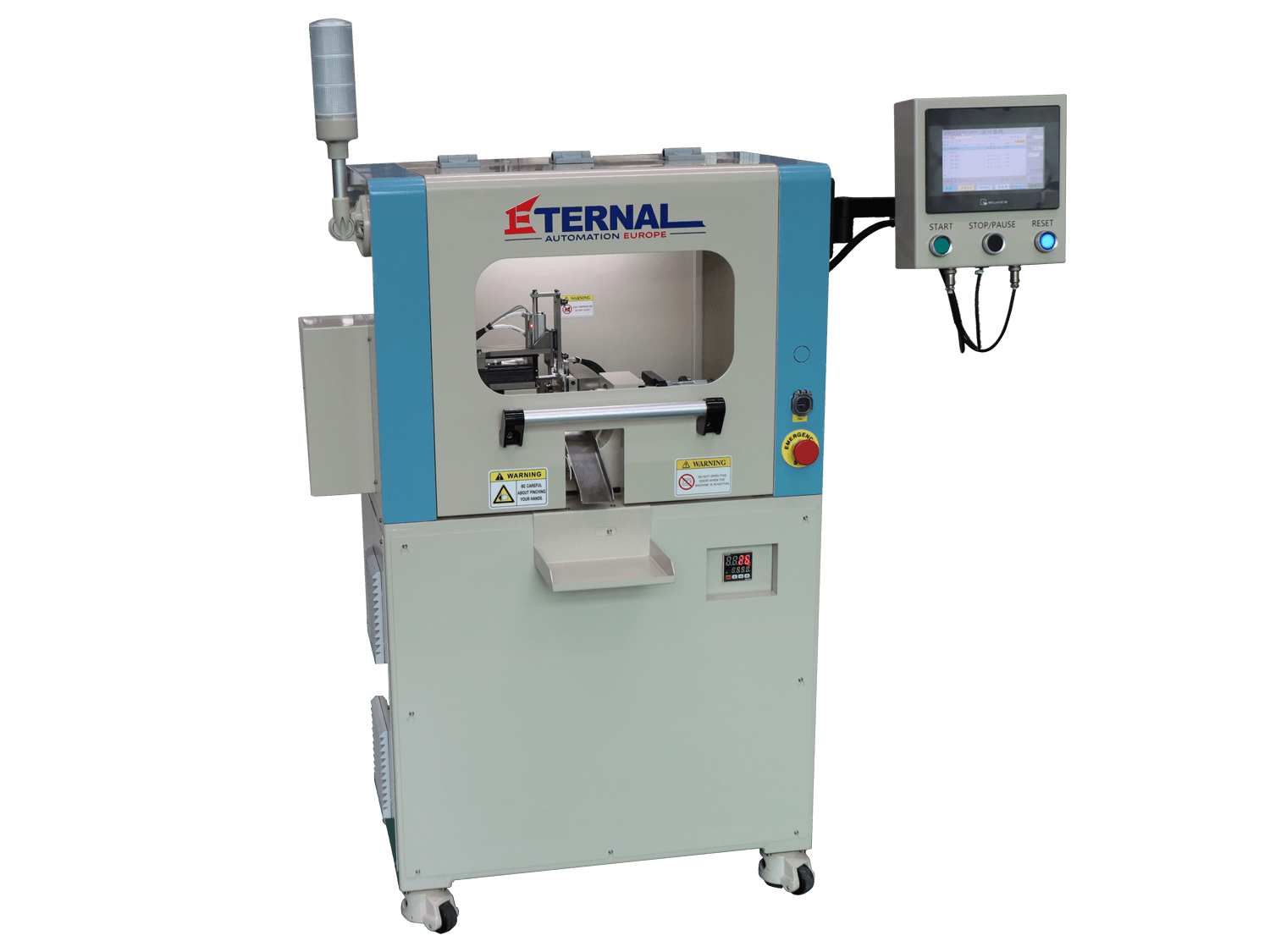
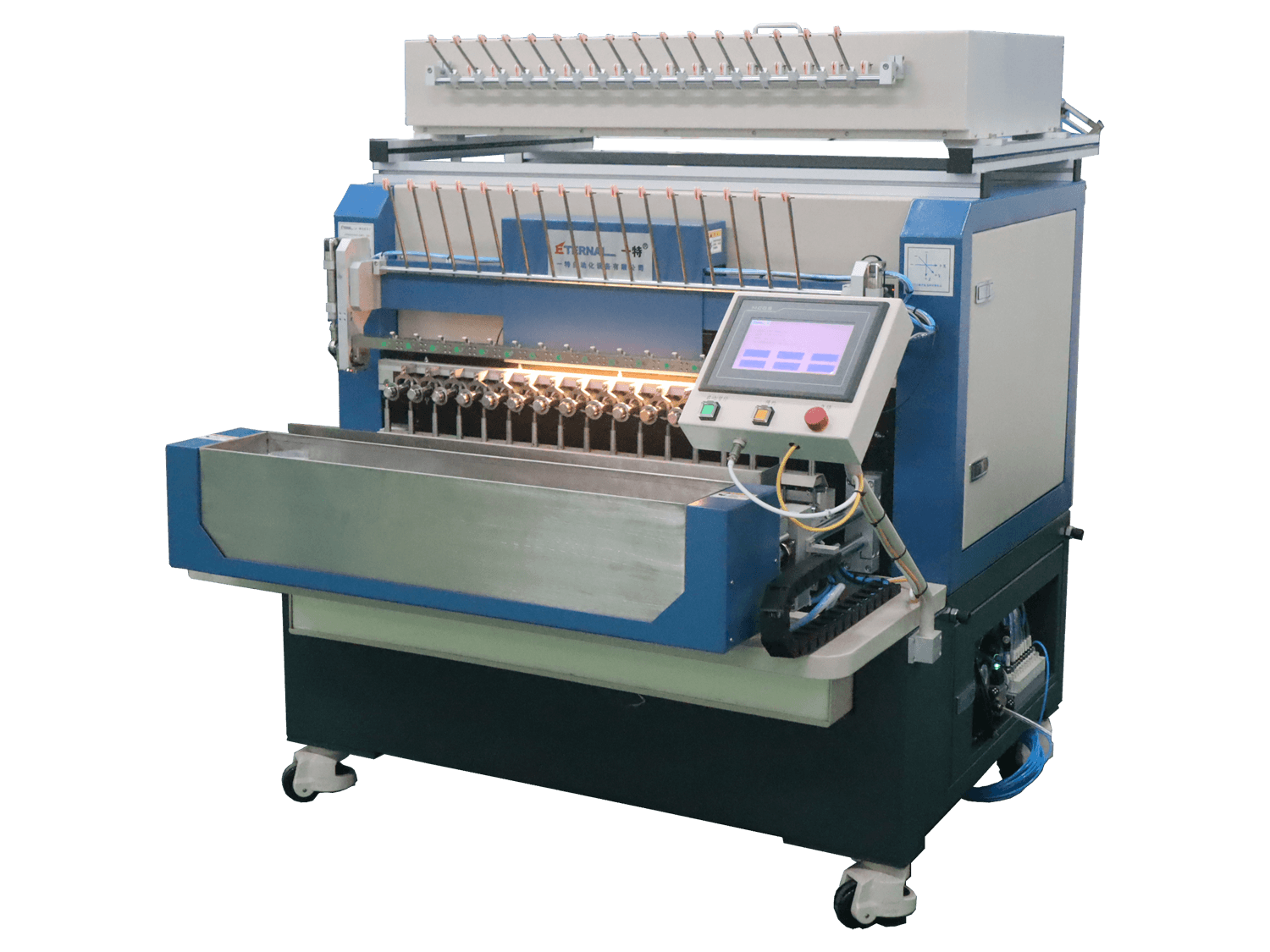
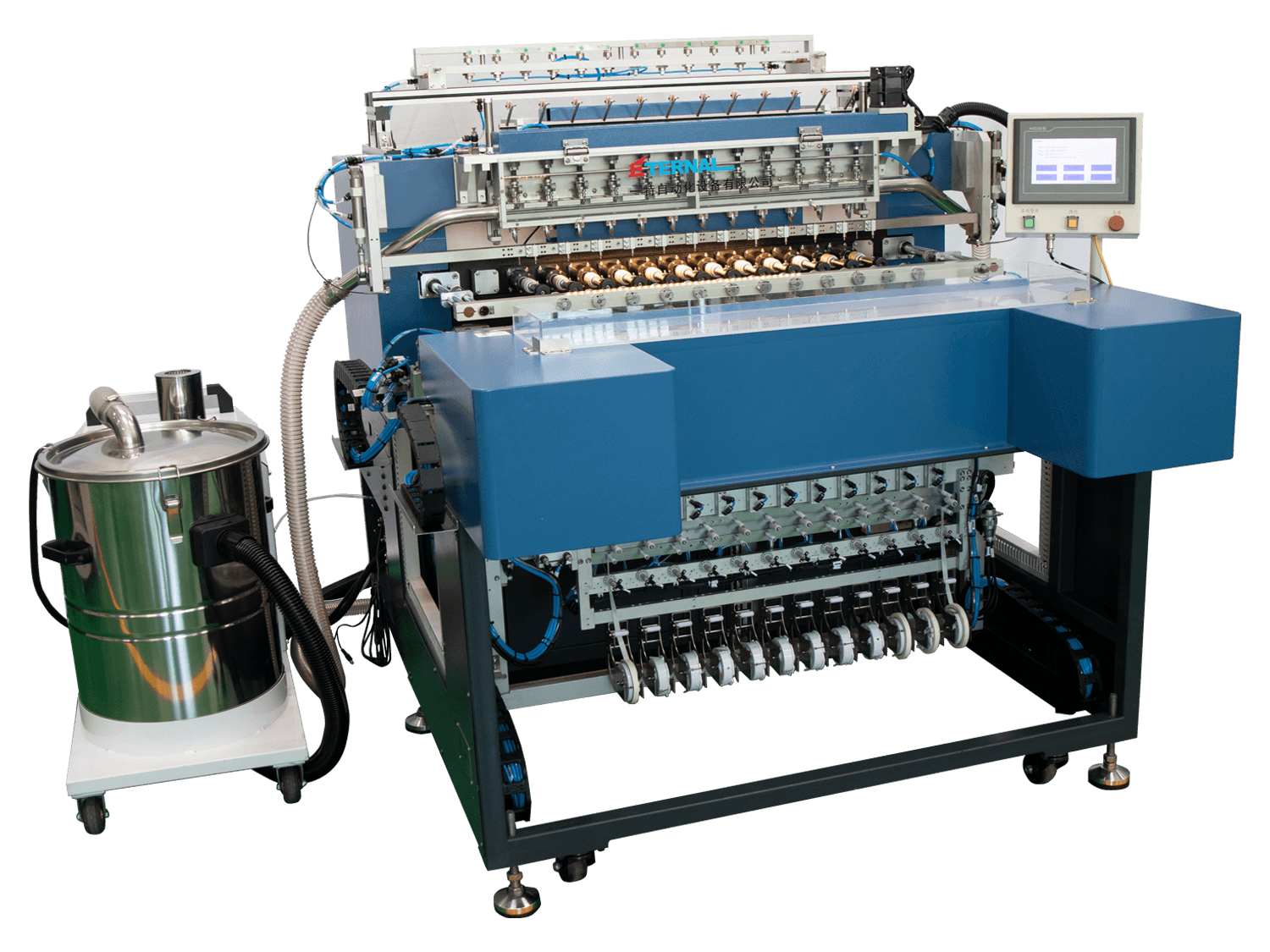
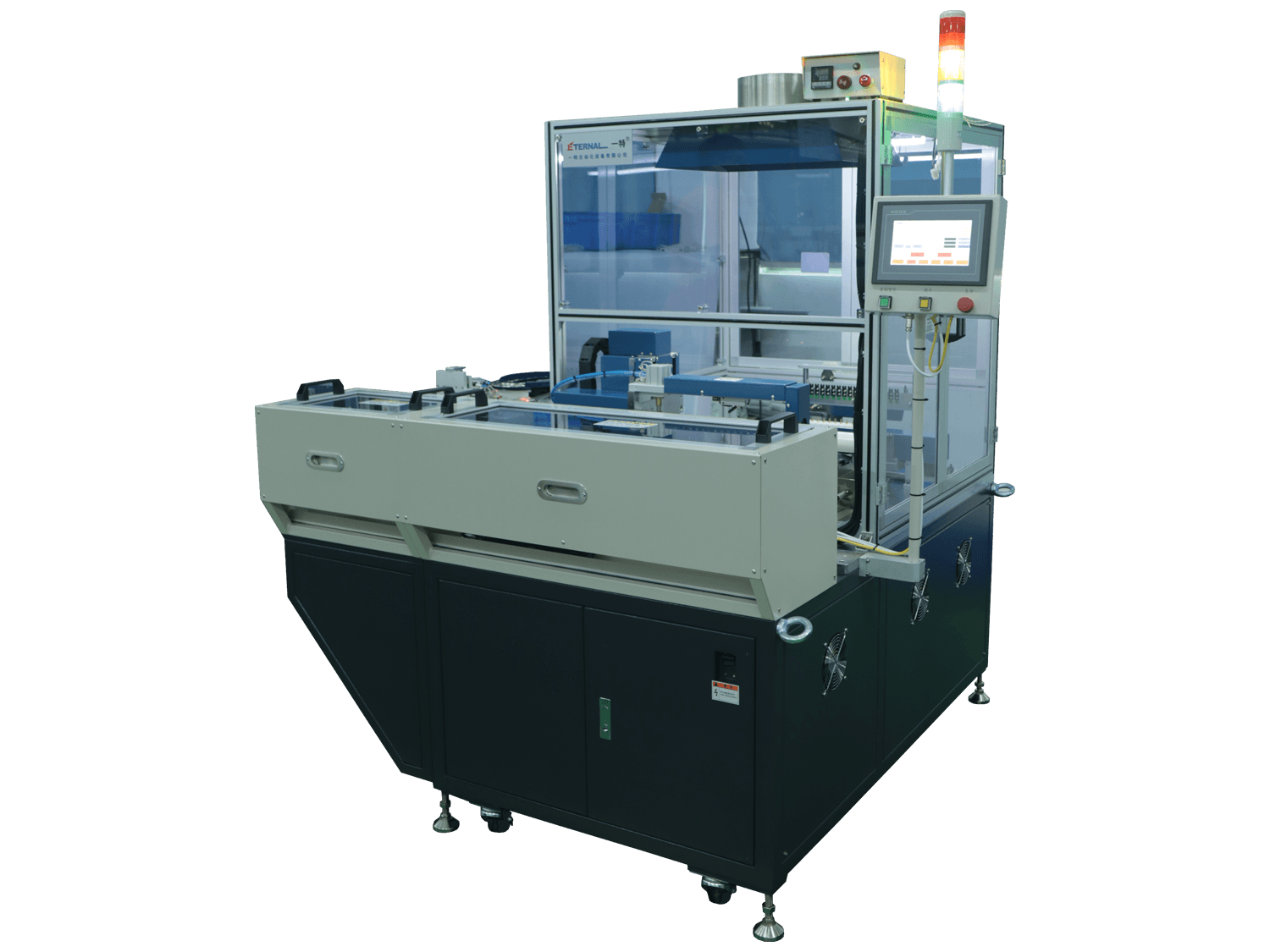
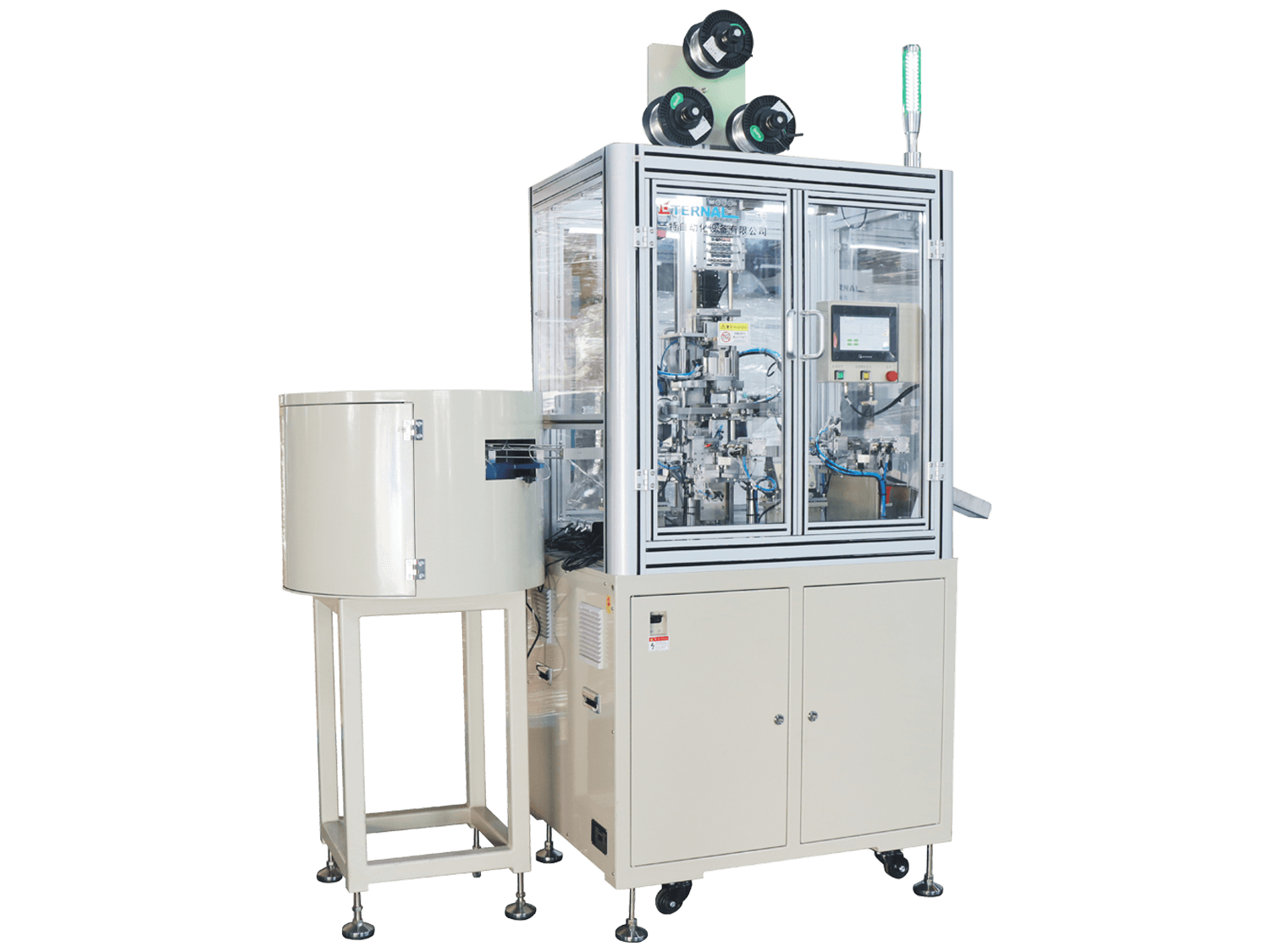
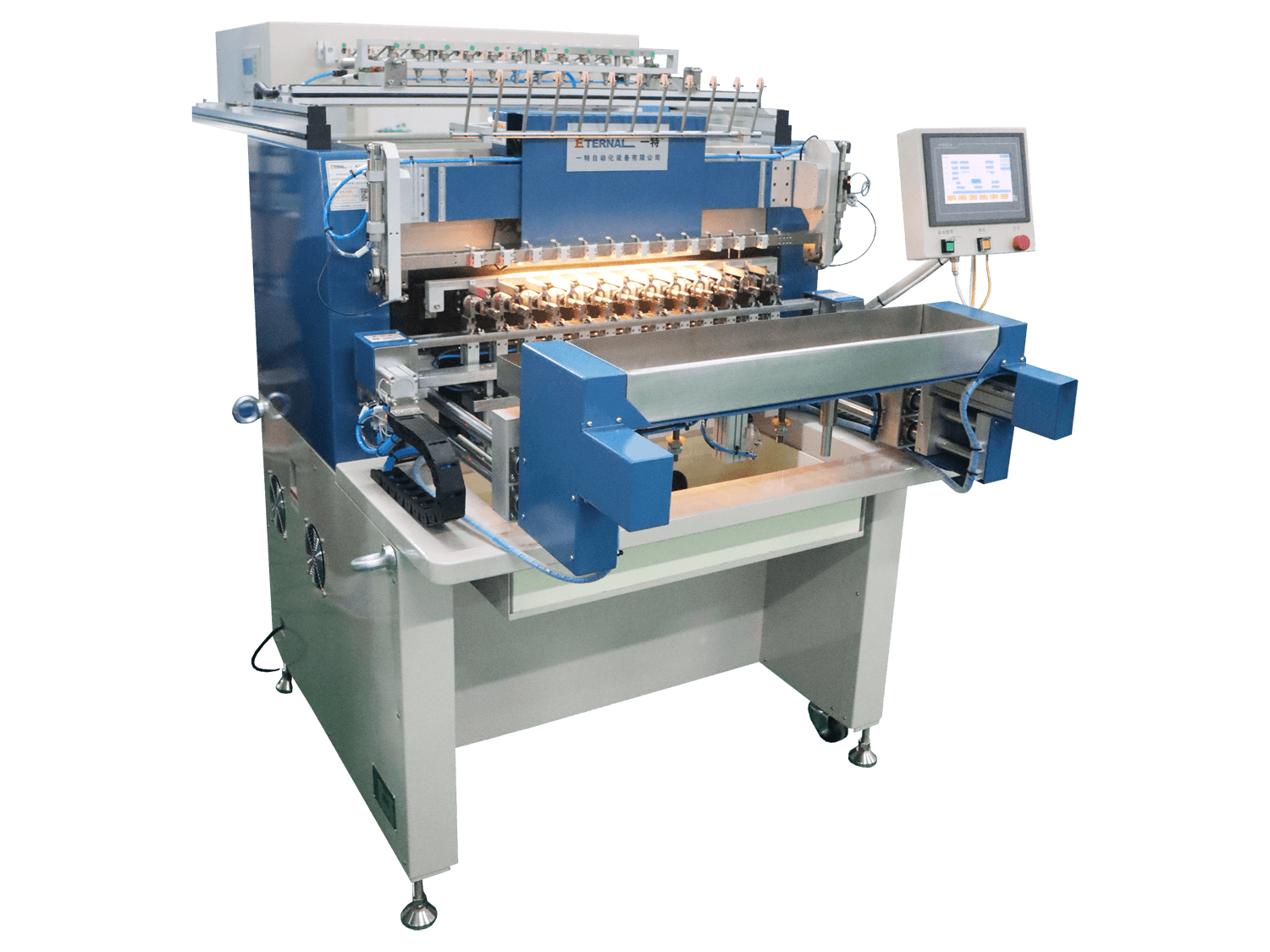
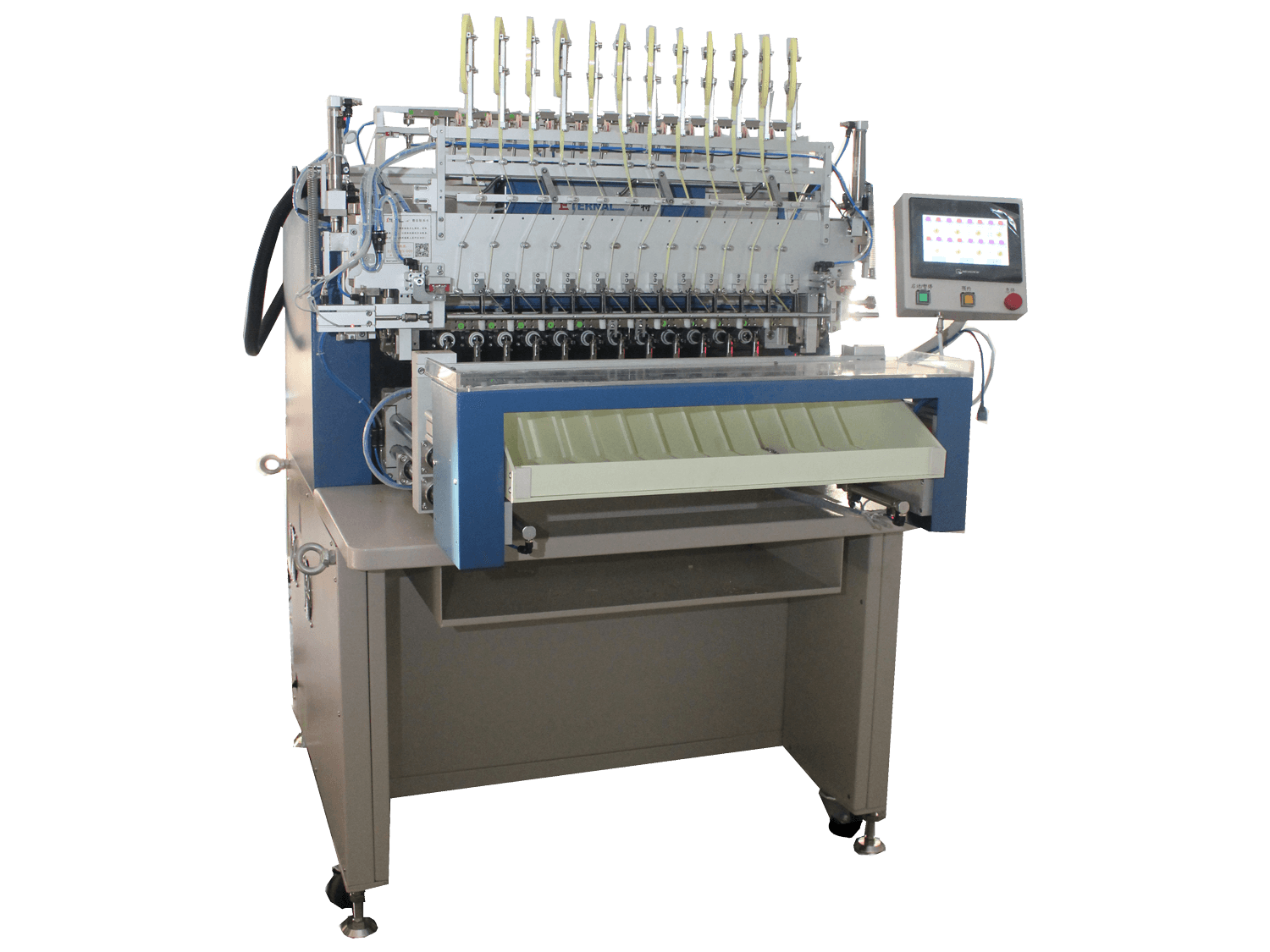
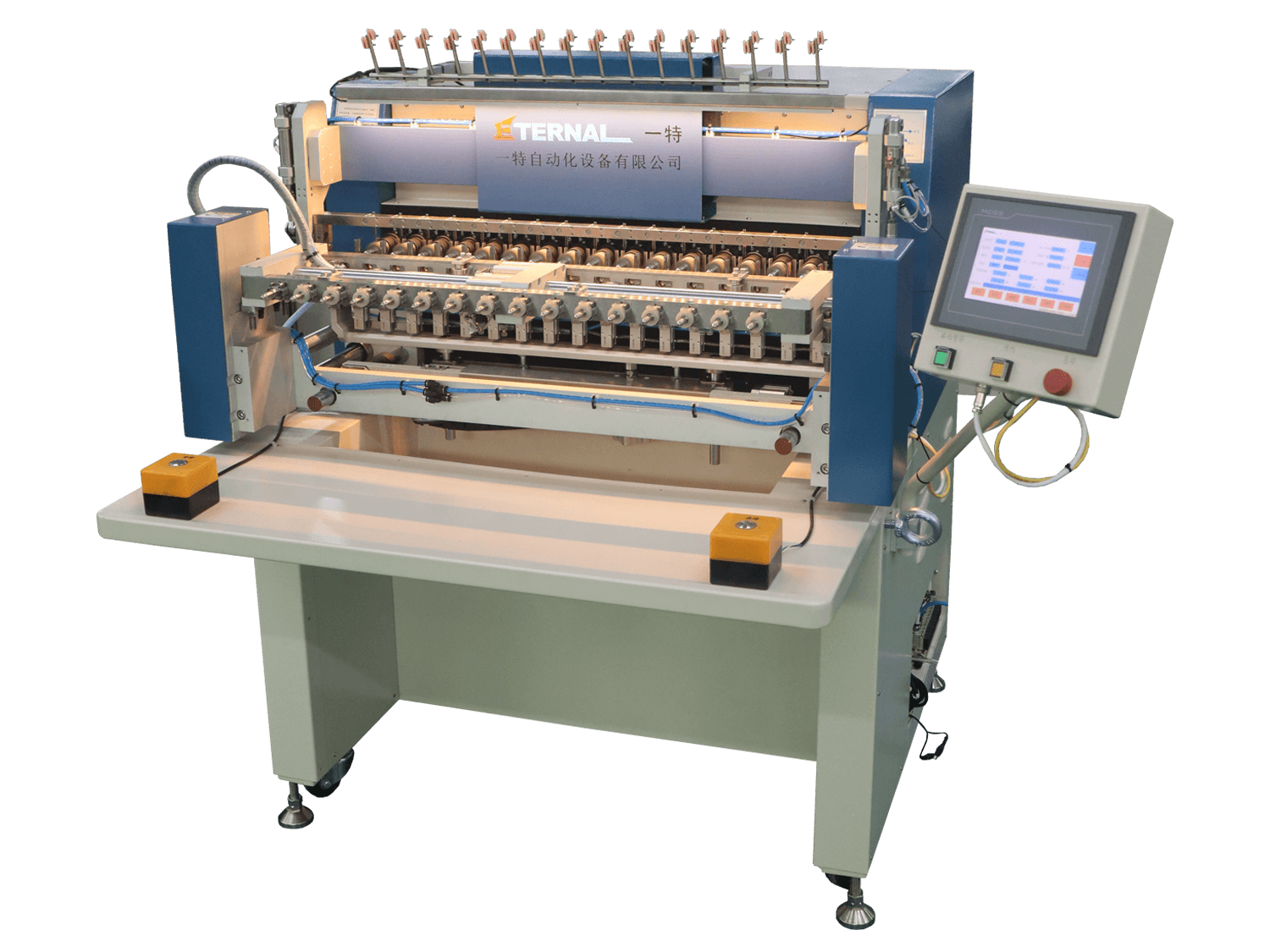
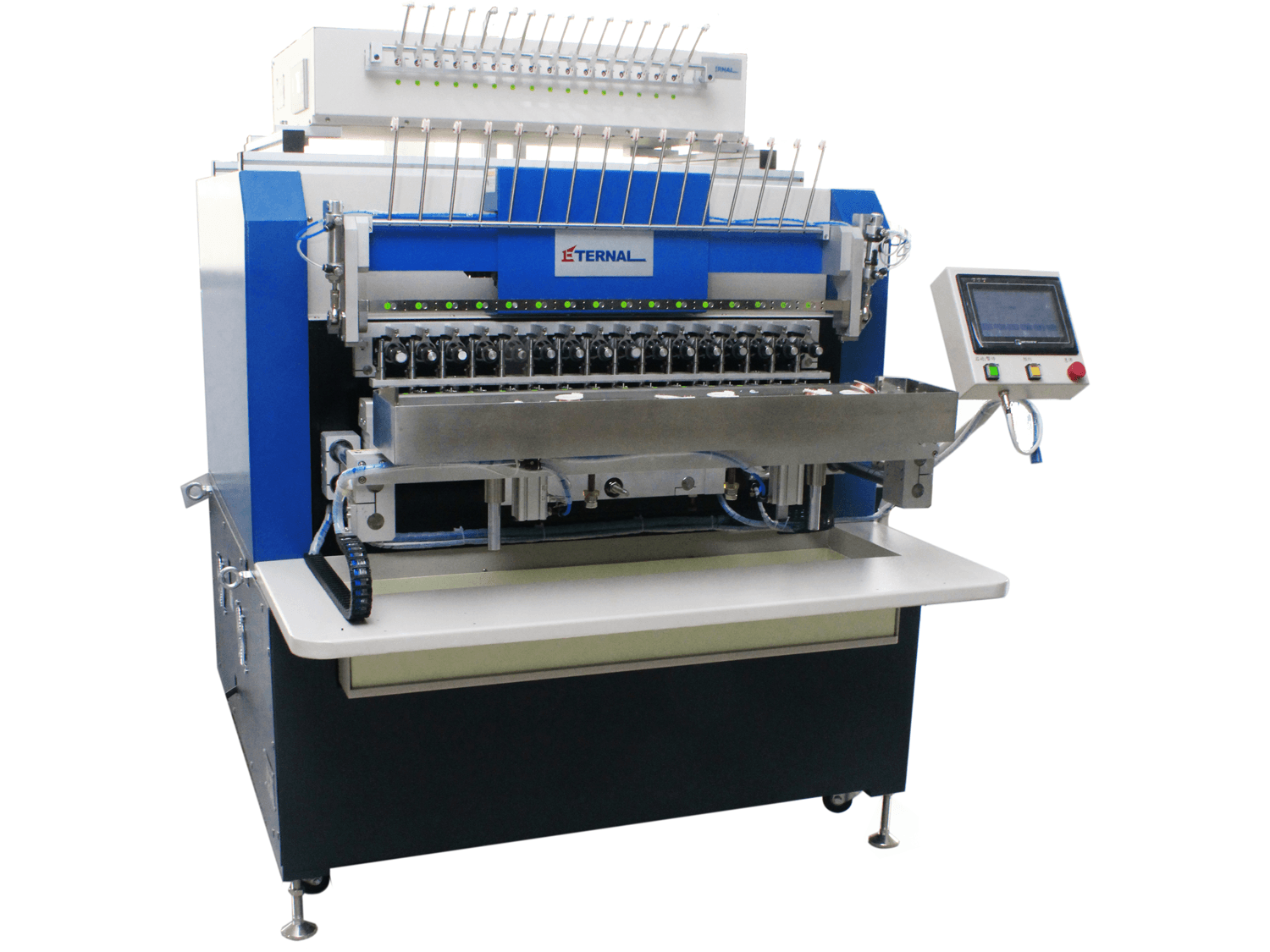
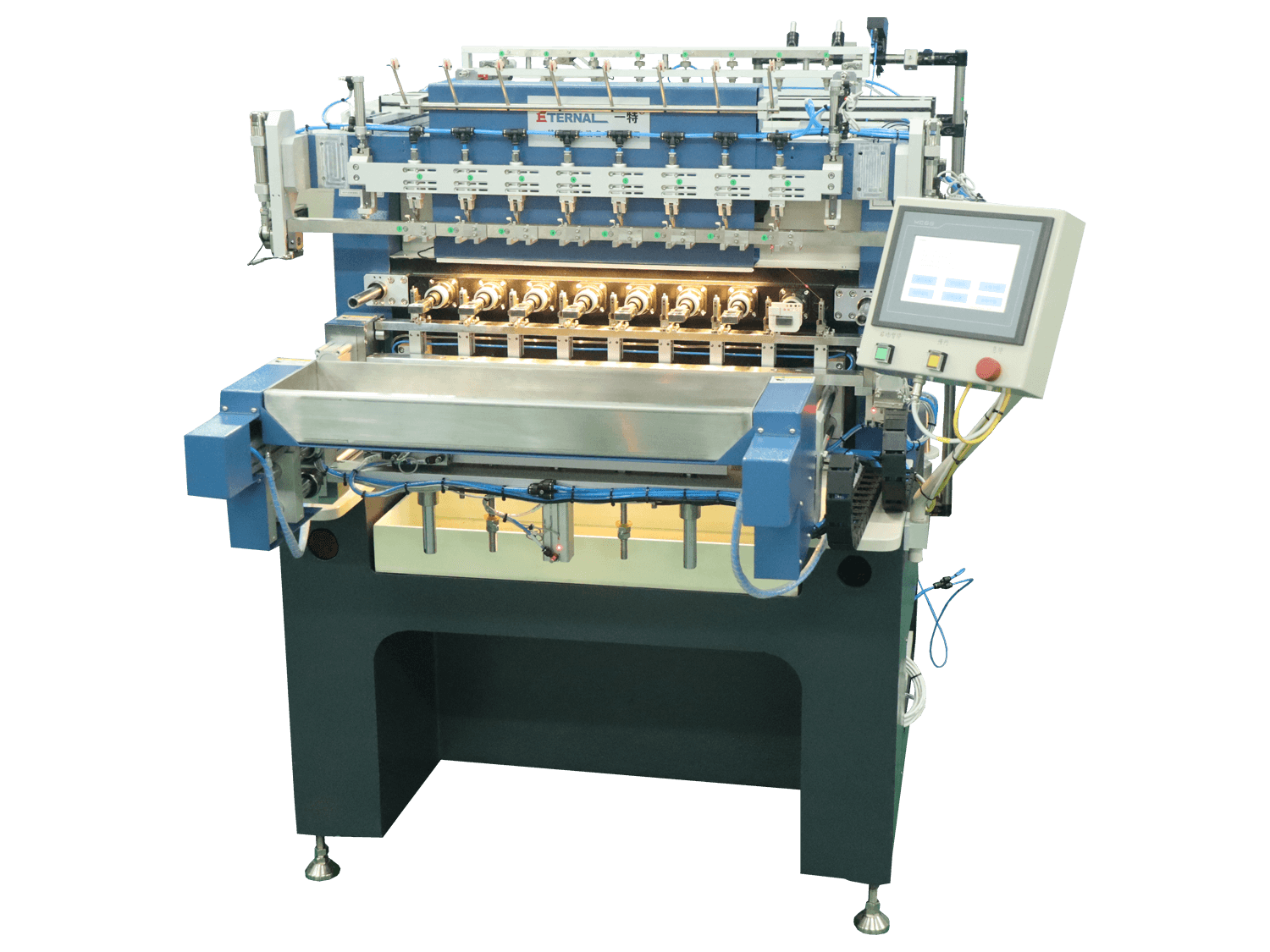
Designed specifically for the automotive sensor coil industry's characteristics of compact size, high precision, and diverse configurations, Zhongshan Eternal Automation Co., Ltd. offers high-precision automated production lines for ultra-fine wire sensor coils.
The equipment supports:
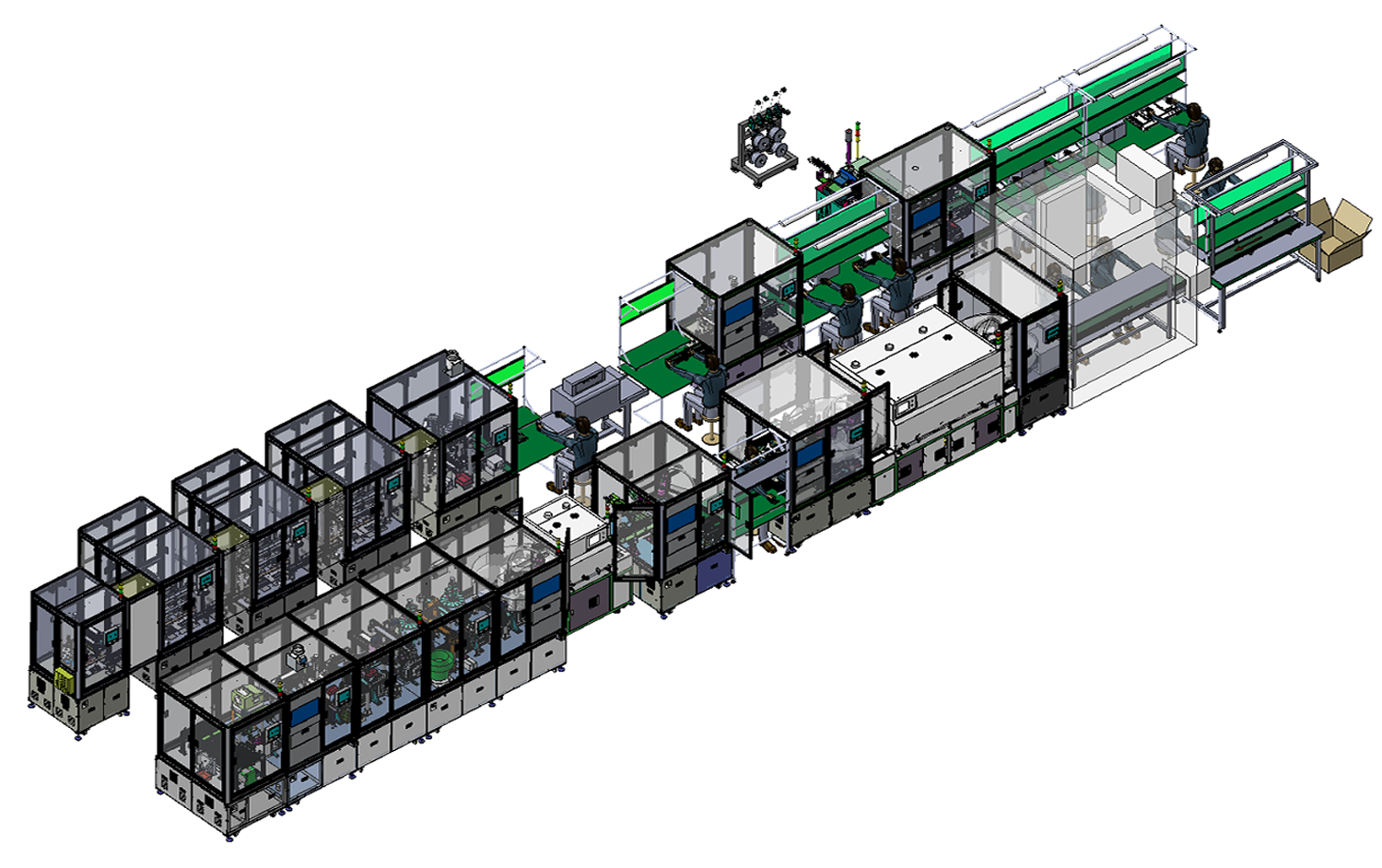
The production line can provide a fully automated process from coil winding through downstream magnetic-core assembly, adhesive dispensing, and testing, helping customers meet the stringent requirements of automotive-grade applications and certification standards such as AEC-Q200.
Our solutions cover mainstream applications including wheel speed sensors and crankshaft position sensors.
We also provide free sample production, process optimization, and responsive nationwide after-sales service, helping customers improve production efficiency, product consistency, and manufacturing reliability.